Common Brake Issues in German Cars and How to Spot Them
German cars use high-friction brake systems built for sharp response and strong stopping power, but these parts wear faster than standard setups. Common issues include squealing pads, warped rotors, dirty brake fluid, and electronic parking brake faults. Catching early signs like grinding noises, shaking, warning lights, or a soft pedal can prevent costly repairs.
Located just north of Atlanta in Dunwoody, Dunwoody sits in DeKalb County along major routes like I-285 and Georgia 400. It serves as a busy commercial hub with office parks, shopping centers, and constant commuter traffic.
This steady stop-and-go driving, combined with warm, humid weather, adds extra heat and strain to braking systems. If you notice changes in pedal feel or braking performance, it’s wise to seek professional German auto brake repair in Dunwoody, GA, right away.
Here’s a quick breakdown of the most common brake problems and how to spot them early.
Common Brake Issues in German Cars
Excessive Brake Pad Wear and Squealing
European manufacturers focus on a crisp, responsive “bite,” so their brake pads naturally wear down more quickly. You may notice dark brake dust building up on your wheels soon after cleaning, which is a normal sign of high-performance friction.
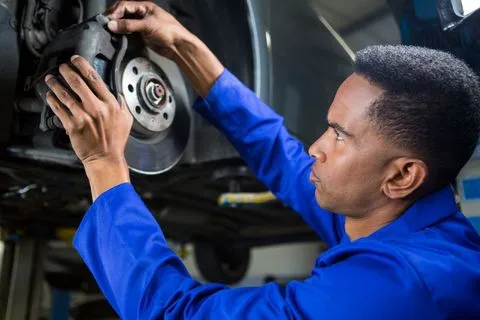
However, if you hear a high-pitched squeal or screech while braking, it often signals that the pads are thinning and the wear sensors are alerting you that it’s time for service.
Warped Rotors and Steering Wheel Vibrations
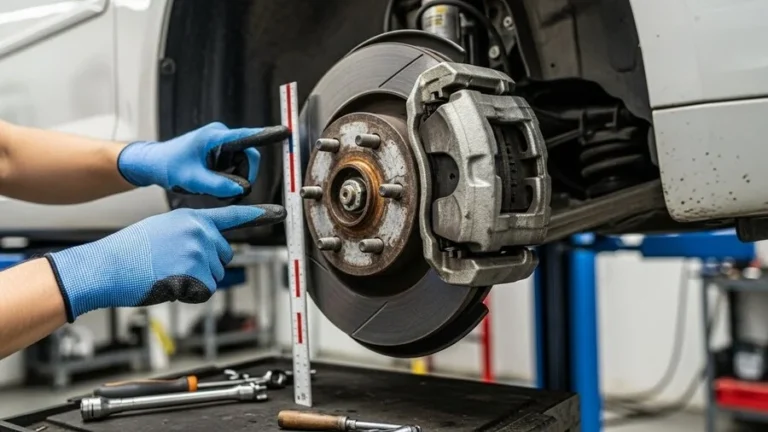
The NHTSA recently reported that mechanical failures continue to be a factor in thousands of annual roadway incidents across the country. High heat from heavy braking in traffic causes the metal discs to expand and contract unevenly over time. This creates a wavy surface that prevents the pads from making full contact, which reduces your overall stopping efficiency and safety. You will feel this most intensely when slowing down from highway speeds on a steep off-ramp or in heavy traffic.
Brake Fluid Contamination and Spongy Pedals
Safety studies from the U.S. Department of Transportation show that maintaining safer vehicles through regular part inspections is a cornerstone of their current national roadway safety strategy. Brake fluid is naturally hygroscopic, meaning it pulls moisture out of the air and into your car’s hydraulic lines.
Water in the lines lowers the boiling point of the fluid and leads to a spongy or soft feeling when you press the pedal. This internal moisture can also lead to corrosion within the expensive ABS modulator or master cylinder.
How to Spot Brake Issues?
You should stay alert for changes in how the pedal reacts to your foot pressure during a normal drive. A sinking pedal or a warning light on the dashboard is a clear signal that the system has lost its integrity.
- You should look for fluid leaks on the floor
- You must watch for a dashboard warning light
- Try to listen to unusual clicking sounds
Electronic Parking Brake Faults
It is important to note that modern car models feature electronic parking brakes. These brakes can suffer from sensor errors or motor failures. You might find that the rear wheels feel stuck or hear a grinding motor sound. These systems are sensitive to battery health, so a weak battery can sometimes trigger a false brake warning on your screen.
Finding a local expert who knows these hydraulic and electronic nuances is the best way to maintain your vehicle. Many owners rely on German auto brake repair in Dunwoody, GA, to keep their precision machines running perfectly on the road.
Conclusion
Keeping your brakes in top condition is about preserving the life of your car. Paying attention to these subtle warnings will help you stay safe. You can avoid the stress of a sudden mechanical failure.
Key Takeaways
- Squealing noises usually mean your brake pads are worn thin and need replacement soon to avoid damaging the rotors.
- Vibrations while braking often point to warped rotors, which can reduce stopping power and cause uneven wear.
- A soft or spongy pedal may indicate air or moisture in the brake fluid, affecting hydraulic pressure and safety.
- Electronic brake or ABS warnings should never be ignored, as they can signal system faults that compromise control and stability.