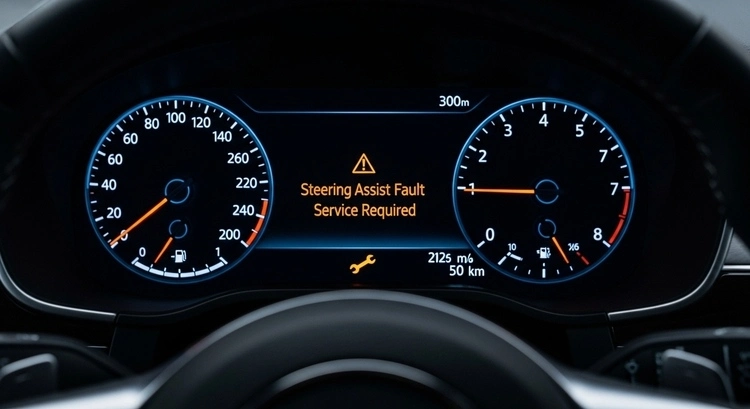
Renault Megane Engine Failure Hazard: Comprehensive Guide
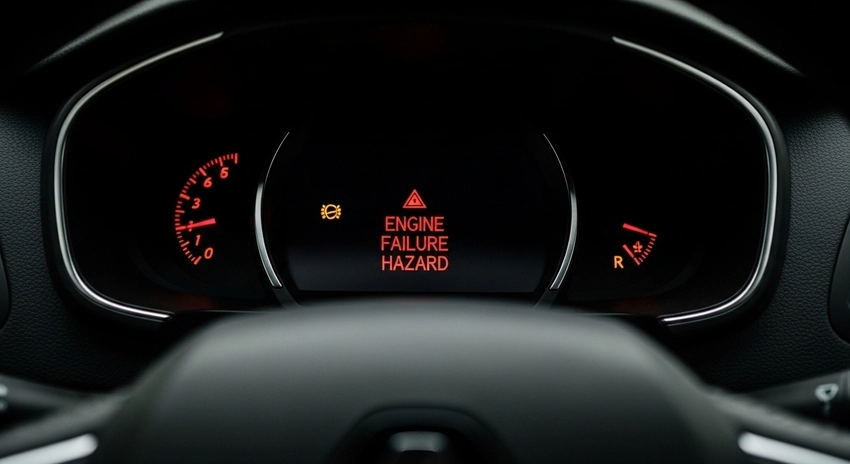
Seeing a red warning light pop up on your dashboard is never a good feeling. It’s even worse when that message reads “Engine Failure Hazard” and is accompanied by a loud beep and a glaring STOP sign. For Renault Megane owners, this specific warning is a source of immediate anxiety. It feels like a terminal diagnosis for your car, but the reality is often less catastrophic than the text suggests.
The Renault Megane, particularly models equipped with the 1.5 dCi (K9K) and 1.6 dCi diesel engines, is a staple of efficient European driving. However, these engines are managed by highly sensitive electronics designed to protect the mechanical components at the first sign of trouble. This guide will help you decode what your car is trying to tell you, distinguishing between a minor sensor glitch and a true mechanical emergency.
What Does “Engine Failure Hazard” Actually Mean?
To fix the problem, you first need to understand the language your car is speaking. Renault uses a color-coded system to communicate urgency, and “Engine Failure Hazard” is the highest level of alert.
The Difference Between “Check Engine” and “Failure Hazard”
Most drivers are familiar with the standard amber “Check Engine” light. That usually means you have a non-critical fault—perhaps an emissions issue or a sensor reading slightly out of range—and you can likely finish your journey before booking a service.
The “Engine Failure Hazard” message is different. It is a “Red Level” alert. When this appears, the car’s Engine Control Unit (ECU) has detected a parameter that poses an immediate risk to the engine’s physical integrity. This could be a drop in oil pressure, a dangerous spike in temperature, or a turbocharger spinning out of control. The system is shouting “STOP” because continuing to drive normally could turn a $200 repair into a total engine replacement.
The Role of the ECU and Limp Mode
Modern vehicles are essentially computers on wheels. The ECU monitors thousands of data points every second. If it detects a value that could cause damage—like fuel pressure dropping too low—it will trigger “Limp Mode.”
In this mode, you will feel a sudden loss of power. The car might refuse to rev above 2,000 RPM or shut off the turbocharger completely. While this feels scary, it is a protective measure. It limits the engine’s output to prevent it from tearing itself apart.
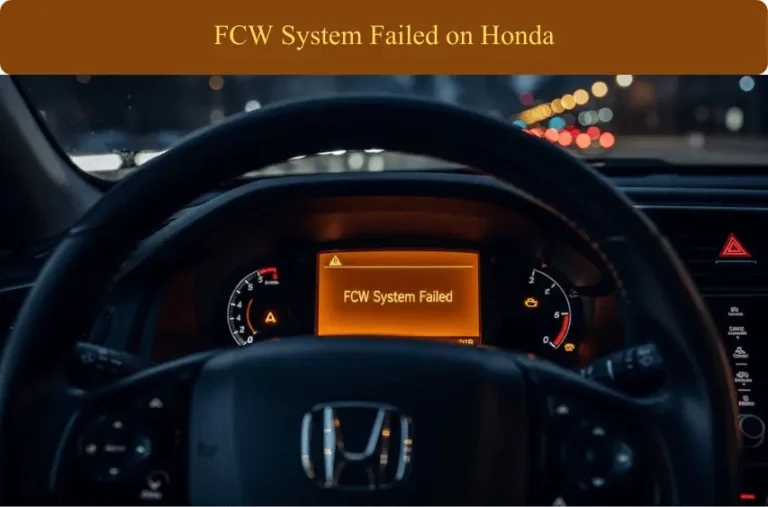
We see this logic across many modern vehicle manufacturers, not just Renault. Complex safety systems are prone to triggering alarms the moment a sensor is blocked or gives a weird reading. For example, drivers of other brands have panicked when the FCW system failed on Honda vehicles, only to find out it was a dirty radar sensor rather than a broken computer. Similarly, your Megane’s ECU is extremely cautious; it would rather stop you now than let you blow up the engine five miles down the road.
Top Reasons Behind the “Engine Failure Hazard” Message
Once the initial shock wears off, you need to find the culprit. While the warning is generic, the causes usually fall into three specific categories for the Megane.
Turbocharger and Air Intake Issues
This is the most common trigger for diesel Meganes. The turbocharger relies on a precise balance of air pressure. If there is a leak anywhere in the intake system, that balance is lost.
- Boost Leaks: A split intercooler hose or a loose clamp can let pressurized air escape. You might hear a loud “whooshing” or whistling sound when you accelerate. The ECU sees that the boost pressure is lower than requested and triggers the hazard light to prevent the turbo from overworking itself to compensate.
- Turbo Pressure Sensor: Sometimes the turbo is fine, but the sensor monitoring it has failed or the wiring has corroded, sending false data to the computer.
Diesel Particulate Filter (DPF) and Emissions
Modern diesel engines are equipped with strict emission control systems that hate short journeys.
- DPF Blockage: The Diesel Particulate Filter traps soot from the exhaust. To clean itself, it needs to get very hot, which usually happens during long highway drives (a process called regeneration). If you only drive in the city, the filter clogs. The backpressure builds up, and the ECU triggers the hazard warning to stop the engine from suffocating.
- EGR Valve Failure: The Exhaust Gas Recirculation (EGR) valve recirculates exhaust gas back into the engine to lower emissions. Over time, it gets caked in carbon and soot, causing it to stick open or closed. A stuck valve ruins the air-fuel mixture, leading to rough idling and the dreaded red light.
Injection System and Fuel Delivery
The 1.5 dCi engine uses a high-pressure common rail injection system. This system is efficient but intolerant of poor maintenance.
- Fuel Pressure Regulator: If the regulator cannot maintain the correct pressure in the fuel rail, the injectors won’t spray the diesel correctly. This often results in a “Check Injection System” message that escalates to “Engine Failure Hazard.”
- Injector Failure: If a fuel injector fails electrically or becomes clogged, that cylinder won’t fire. You will feel the engine shaking violently, and the ECU will flag a critical fault immediately.
Electrical and Sensor Gremlins
Sometimes, the engine itself is mechanically perfect, but the nervous system monitoring it has panicked. Renaults are notorious for being sensitive to electrical fluctuations.
- Battery Voltage: If your battery is old or holding a charge below 12.5 volts, it can cause “phantom” errors. The ECU requires stable voltage to interpret sensor data accurately. A weak battery might cause the computer to think a sensor has failed when it hasn’t, triggering the hazard light immediately upon startup.
- Glow Plugs: On many cars, a bad glow plug just means a rough start on a cold morning. On a Renault Megane, however, the glow plug circuit is closely monitored by the injection computer. If a glow plug fails, the system often flags an “Injection Fault” or “Engine Failure Hazard” because it fears incomplete combustion will damage the catalytic converter.
- Wiring Looms: In the cramped engine bay of a Megane, wires rub against metal components. Over time, this chafing wears through the insulation, causing short circuits. A single exposed wire touching the chassis can light up your dashboard like a Christmas tree.
Identifying the Symptoms Accompanying the Warning
The warning message rarely arrives alone. To pinpoint the exact problem, you need to observe what else the car is doing. Your observations are often more valuable than a generic fault code.
Visual and Auditory Signs
Your eyes and ears are your first diagnostic tools.
- Smoke Emissions: Check your rearview mirror. Black smoke usually points to an air-to-fuel imbalance, likely a boost leak or a stuck EGR valve. Blue smoke suggests oil is being burned, which is a classic sign of turbo seal failure. White smoke (when the engine is warm) could indicate unburnt fuel from a bad injector or a coolant leak.
- Unusual Noises: Listen carefully while the engine idles. A loud hissing sound when you accelerate is almost certainly a split intercooler hose. A metallic knocking sound is far more serious, indicating an injector is hammering a cylinder or internal bearing damage. A high-pitched whine often means the turbocharger bearings are on their last legs.
Performance Indicators
How the car drives gives you the biggest clue.
- Power Loss: If the car feels gutless, like it has no turbo boost, it is likely in “Limp Mode.” This confirms the ECU is actively restricting performance to save the engine.
- Hard Starting: If the engine cranks for a long time before firing, or cuts out immediately after starting, you are likely looking at a fuel pressure issue or a camshaft sensor fault.
- Jerking or “Kangarooing”: If the acceleration is uneven or the car jerks while cruising, this points toward a dirty fuel filter or a clogged EGR valve struggling to regulate airflow.
Step-by-Step Diagnostic Guide
Before you rush to a mechanic and spend a fortune on labor, there are several checks you can do right in your driveway.
Initial DIY Checks (No Tools Required)
Start with the basics. It sounds simple, but low fluids trigger many of these alarms.
- Check Oil and Coolant: Open the hood and check the dipstick. If the oil is critically low, the variable valve timing and turbo cannot function, triggering the hazard.
- Inspect Air Hoses: Squeeze the large rubber hoses connecting the intercooler and turbo. Look for cracks, splits, or oil residue on the outside of the pipes, which indicates a leak.
- Listen for Leaks: Have a helper rev the engine gently while you listen near the front bumper. If you hear air escaping, you’ve found your boost leak.
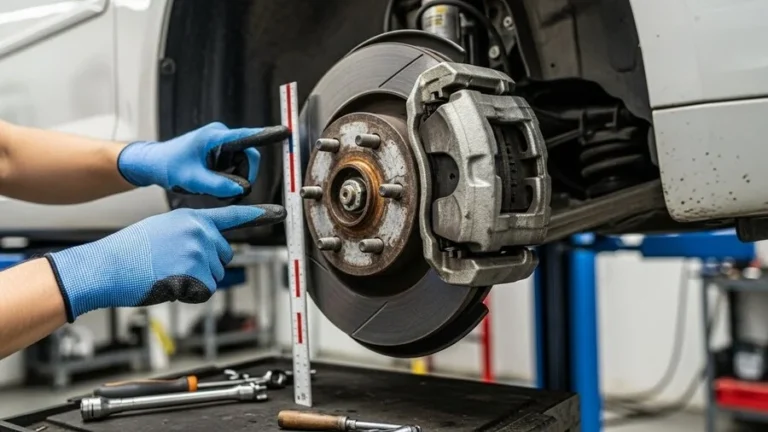
This approach is about catching small problems before they become financial disasters. It’s the same logic applied to the rest of the car; for example, knowing how to avoid expensive brake repairs simply involves checking your pad thickness regularly before they grind down the rotors. Similarly, checking these hoses cost you nothing but a few minutes and can save the life of your turbo.
OBD-II Scanning and Error Codes
If the visual checks pass, you need to talk to the car’s computer. You will need an OBD-II scanner. While a cheap Bluetooth scanner is better than nothing, Renaults speak a specific dialect. A generic scanner might give you a vague “P0000” code, while a Renault-specific tool (like the Can Clip) will tell you exactly which sensor is unhappy.
Common Fault Codes to Look For:
- P0380: Glow Plug Circuit A Malfunction (Very common).
- P2263: Turbocharger Boost System Performance (Likely a leak or sensor).
- P0470: Exhaust Pressure Sensor Malfunction (Usually a blocked tube).
- P0089: Fuel Pressure Regulator Performance (Fuel pump or filter issue).
How to Fix and Resolve the Issue
Once you have identified the likely cause, the next step is determining whether this is a Saturday morning DIY job or a wallet-draining trip to the dealership.
DIY Solutions
For many “Engine Failure Hazard” warnings, the fix is surprisingly simple.
- Forced DPF Regeneration: If your scan code points to a blocked particle filter, take the car for a 20-minute drive on the highway. Keep the RPM above 2,500 (use 4th gear instead of 6th). This generates enough heat to burn off the soot and often clears the light.
- Clean the EGR Valve: On the 1.5 dCi engine, the EGR valve is accessible near the front. You can remove it, spray it with carburetor cleaner to remove the carbon gunk, and reinstall it. This solves rough idling and smoke issues in many cases.
- Unblock the Exhaust Pressure Sensor Tube: A known design flaw in the Megane III involves the small rubber tube connecting the exhaust sensor to the DPF. It often melts or gets blocked with soot. Clearing this tube with a piece of wire or replacing it for a few dollars can instantly fix the “Hazard” warning.
- Battery Swap: If your battery is over four years old, replace it. It’s the cheapest way to rule out electrical ghosts.
Professional Repairs and Costs
If DIY methods fail, you are looking at mechanical repairs. It is helpful to know what to expect financially.
- Sensor Replacement: Replacing a MAP sensor, MAF sensor, or Exhaust Pressure sensor is relatively affordable, typically costing between $100 and $300 including labor.
- Turbocharger Replacement: If the turbo has failed (whining noise, blue smoke), prepare for a bill between $800 and $1,500. It is a labor-intensive job that requires flushing the oil system completely.
- Engine Replacement: In the worst-case scenario—say, a timing belt snap or total seizure—you face a complete engine swap. This is not a task for the faint of heart. While it might lack the glamour of a custom project like fitting a classic M70 with Tremec T56 BMW, swapping a modern Renault engine requires precise ECU matching and specialized tools. It is strictly a job for professional workshops.
Preventive Maintenance for the Renault Megane
The best way to fix an engine failure hazard is to prevent it from happening in the first place. The Renault K9K engine is incredibly durable, but only if you treat it right.
Critical Service Intervals
Ignore the manufacturer’s “Long Life” service intervals. Renault often recommends oil changes every 30,000 km (approx. 18,000 miles). For a turbo diesel engine, this is too long. Old oil turns to sludge, which blocks the turbo oil feed line, causing immediate turbo failure.
- Change Oil Every 10,000 km (6,000 miles): Use high-quality synthetic 5W-30 Low SAPS oil (specifically for DPF engines).
- Timing Belt: The timing belt must be changed every 5 years or 100,000 km. If this snaps, the “Engine Failure Hazard” light will be the last thing you see before the engine destroys itself.
Fuel System Care
Diesel injectors operate under immense pressure. Poor quality fuel can ruin them.
- Fuel Filter: Replace this every second service. A clogged filter starves the engine of fuel, triggering pressure regulator errors.
- Additives: Occasionally using a high-quality injector cleaner can help prevent carbon buildup on the nozzle tips.
Manufacturer Recalls and Warranty Actions
Before spending a dime, check if Renault is footing the bill.
Known Renault Service Recalls
Over the years, Renault has issued several “Technical Notes” (silent recalls) for the Megane. These often involve software updates for the injection computer to prevent false warning lights. There have also been campaigns regarding the braking system vacuum pump, which can trigger engine warnings.
Checking Your VIN
Locate your Vehicle Identification Number (VIN) on the dashboard or registration papers. Call your local Renault dealer and ask them to run the number. If there is an outstanding “Blue OTS” or “Red OTS” (recall codes), they will perform the fix for free.
FAQs
Technically, yes, but you shouldn’t. If the light is red and says “STOP,” pull over immediately. Driving with low oil pressure or a blown turbo can turn a repairable engine into scrap metal in minutes. If you are in a dangerous spot, drive slowly (under 2,000 RPM) to the nearest safe location.
It varies wildly. A simple sensor fix or blocked tube might cost you $50. A blocked DPF clean is around $200. However, turbo or injector failures will push costs over $1,000.
You cannot reset a “Hazard” light by simply disconnecting the battery. The code is “Hard Stored” in the ECU memory. You must fix the underlying problem and then use a diagnostic tool (like the Renault Clip or a quality OBD-II scanner) to clear the fault code from the system.
The Bottom Line
The “Engine Failure Hazard” message is intimidating, but it is not a death sentence. It is a protective mechanism designed to save your engine from itself. By understanding the common causes—like boost leaks, DPF blockages, or sensor faults—and following a logical diagnostic path, you can often resolve the issue without breaking the bank.
Don’t ignore the warning, but don’t panic either. Check your fluids, listen to the engine, and scan for codes. With the right care, your Renault Megane has plenty of miles left to give.