5 Common Recurrent Issues Faced by Audi Drivers
Audi cars are great to drive, but they come with real problems that pop up regularly. If you own one or you’re thinking about buying one, it helps to know what tends to break. Let’s walk you through five issues that Audi owners deal with a lot.
Dunwoody: A Suburban Hub with Thriving Business Growth
Dunwoody is located in DeKalb County, Georgia. The city provides the Dunwoody railroad, a strong business district, plentiful parks, and easy access to Atlanta via major highways and MARTA. Back then, it was just a small crossroads community that grew slowly over the years.
People here are professionals working in tech, business, and corporate sectors. The city has grown steadily, with quality neighborhoods featuring spacious homes and plenty of amenities. It’s the kind of place where people take care of their vehicles and expect quality Dunwoody Audi repair service.
Where Do Dunwoody Drivers Get Audi Service?
For Audi owners living or working in Dunwoody, finding reliable repair shops matters. The local Audi repair specialists understand German engineering and know exactly what to look for with these cars.
A good repair facility will have the diagnostic equipment and trained technicians needed to handle everything from basic maintenance to tricky electrical problems.
The 5 Common Recurrent Issues Faced by Audi Drivers
Most Audi owners run into at least one of these problems. Knowing what to watch for helps you catch issues before they get worse and cost more money.
Electrical Problems and Dashboard Warnings
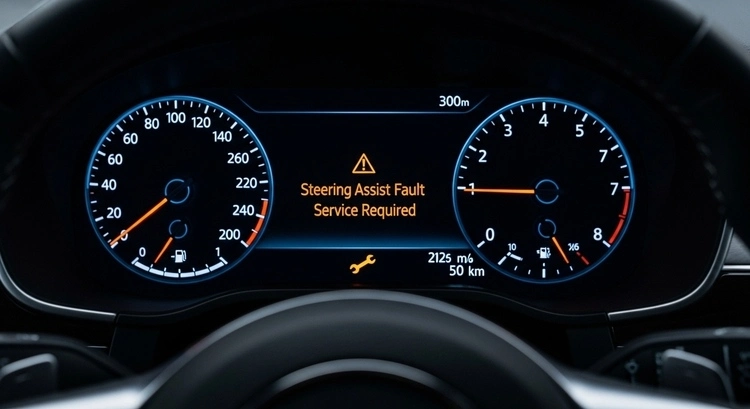
Audi vehicles have tons of electronics packed in everywhere. Sensors monitor engine performance as well as safety systems. Your dashboard starts lighting up when something goes wrong.
You might see the check engine light or a battery warning. Your infotainment screen might freeze or stop responding. These warnings can come from faulty oxygen sensors or corroded wiring connectors.
Carbon Buildup in Intake Valves
TSI and TFSI engines in models like the A4, A5, and Q5 tend to get heavy carbon deposits on their intake valves. This happens because direct injection sprays fuel straight into the cylinder instead of over the intake valves. The valves never get rinsed by fuel, so carbon just builds up and hardens over time.
You will first notice your Audi feeling sluggish when you step on the gas. The car loses its usual power. Cold starts feel rough with the engine shaking.
Transmission Shudders and Jerky Shifts
The DSG transmission of Audi works great on the highway but struggles in city traffic. Stop-and-go driving makes the dual-clutch system shudder and shake. You’ll feel rough jerking when you take off from a complete stop, especially in first and second gear.
Worn clutch packs and dirty transmission fluid cause most of the problems. Solenoid valves can get stuck and stop controlling hydraulic pressure properly. Older models with CVT transmissions have different issues, like hesitation, slipping, or grinding noises, which mean the belt or pulleys are wearing out.
Timing Chain Tensioner Failure
Some Audi engines have a serious problem with timing chain tensioners failing. The timing chain synchronizes your valve timing with the crankshaft, and the tensioner keeps it tight. When the tensioner wears out, the chain gets loose and makes squealing or rattling noises when you start the car.
A loose timing chain can skip teeth on the sprockets. This throws off your valve timing and causes misfires. In the worst case, a valve can hit a piston and cause catastrophic engine damage. Early Q5 models with 2.0T engines and some A4 and A6 models are particularly vulnerable to this problem.
Excessive Oil Consumption and Burning
Early 2.0 TFSI engines have a design flaw where piston rings don’t seal properly. Oil leaks into the combustion chamber and burns away. You’ll start seeing dashboard messages asking you to add oil way more often than normal.
This issue affected 2.0 TFSI engines built before mid-2011. Audi eventually acknowledged it and made manufacturing changes to fix the issue. If you own one of these engines, you can either keep adding oil frequently or pay for piston and ring replacement. Ignoring the problem entirely will lead to a complete engine failure.
Staying Ahead of Problems
Regularly following your manufacturer’s recommended maintenance schedule helps extend your vehicle lifespan and reduces the risk of unexpected breakdowns. For many Audi models, this typically means a service about every 10,000 miles or 1 year, with more comprehensive maintenance at higher mileage intervals, but you should always follow the specific schedule in your Audi’s owner’s manual. Staying consistent with this care also helps you get the most value from your extended auto warranty coverage, ensuring your vehicle remains protected as it ages.
Final Words
You should get your car checked right away when warning lights appear. The US National Highway Traffic Safety Administration emphasizes that addressing warning signs quickly prevents secondary damage and keeps you safe. Fixing things early during Audi repair in Dunwoody costs less than waiting for catastrophic failures.
Key Takeaways
- Electrical issues show up through dashboard warning lights.
- Carbon buildup makes the engine sluggish and rough.
- DSG transmission shuddering happens in traffic when clutches are worn.
- Timing chain tensioner failure creates engine damage risk.
- Early TFSI engines burn oil from piston ring flaws.