Why Height and Weight Matter More Than the Date on a Birth Certificate
Updated 20 February 2026
Ensuring the safety of young passengers requires a deep understanding of how the human body interacts with the mechanical systems of a modern vehicle. Many parents view the transition to different seating arrangements as a series of simple age-based milestones to be checked off a list. However, biological development does not always follow a strict calendar for every child today.
A child’s age is often a poor indicator of their actual physical readiness for the advanced safety features found in the front of a car. Skeletal strength and overall stature are the primary factors that determine if a seatbelt or an airbag will function as intended during a crash. Relying on a birth date alone can lead to premature transitions that increase the risk of harm.
Navigating these safety transitions requires a commitment to following the latest medical research rather than just the minimum legal requirements. It is essential to look at the specific physical markers that dictate when it is truly safe for a minor to travel. Making an informed decision is vital when considering putting your child in the front seat. Taking the time to follow expert recommendations can significantly reduce the risk of serious injury in the event of a sudden stop or collision.
The Physics and Force of Airbag Deployment
Airbags are high-velocity safety devices designed to protect the average adult frame from a violent impact with the dashboard or steering wheel. They deploy at speeds exceeding two hundred miles per hour using a controlled chemical explosion to fill the fabric bag instantly. This massive force is intended to meet the sturdy chest of a grown person.
When a smaller passenger is seated in the path of a deploying airbag, the point of contact shifts to the head or neck area. The explosive force can cause severe traumatic brain injuries or spinal fractures because the child’s body is not tall enough to absorb the hit correctly. It is a mechanical mismatch that can turn a safety feature into a hazard.
Furthermore, the proximity of a child to the dashboard often means they are hit by the bag while it is still in the earliest and most violent stage of inflation. This direct strike can lead to devastating internal injuries even in low-speed collisions that would otherwise be survivable for an adult. Understanding this physics is the first step toward better passenger protection.
Bone Density and Structural Development Markers
Skeletal maturity is a critical factor in how the body handles the intense pressure applied by a seatbelt during a sudden stop or impact. Young children have more cartilage than solid bone, particularly in the pelvic and rib regions, making them much more vulnerable to internal damage. Their bodies lack the rigid structure needed to anchor a safety harness.
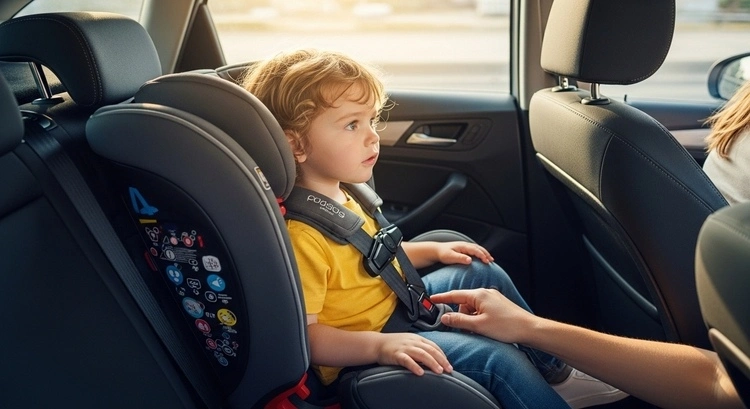
Proper seatbelt fit requires the lap belt to sit low across the strong bones of the hips rather than the soft tissue of the abdomen. If a child is too small, the belt will naturally ride up into the stomach, where it can cause organ damage during a crash. This structural alignment is only possible once the pelvis has reached a certain level of development.
The shoulder belt must also cross the center of the chest and rest firmly on the clavicle to distribute the force of an impact safely. If the belt crosses the neck or the face, it can cause lethal injuries during a high-speed event on the highway. Physical stature is the only reliable guide for ensuring that these life-saving tools work.
Physical Stature as the Primary Safety Guide
Summarizing why physical stature should be the primary guide for moving a child forward involves a return to the basics of human biology. A car is a machine built for adults, and its safety features are tuned to the proportions of a mature frame. Respecting these limits is a mandatory part of being a responsible and safe parent.
Ignoring the data on bone density and airbag force puts young lives at unnecessary risk for the sake of a minor convenience. By staying focused on height and weight markers, you ensure that the legal and mechanical systems work in your favor. It is a strategic choice that prioritizes the health and the future of your children.
Ultimately, the goal is to reach every destination safely without ever needing to test the limits of an airbag or a seatbelt. By making conservative choices about seating, you reduce the likelihood of a tragedy occurring during a sudden roadside crisis. A cautious approach to passenger safety is the smartest way to navigate the modern world today.