The Status Economy: Why People ‘Perform’ Luxury on the Road
Take a walk through any bustling city, and you’ll notice it right away: sports cars weaving through traffic (sometimes even rented through luxury car rental in Dubai, designer handbags on café tables, and sharply dressed people moving with purpose through shopping streets. On the surface, it looks like a simple display of wealth. Look closer, though, and you start to see the “status economy” at work. It’s about why people flaunt luxury. Flashy displays in public are a form of social theater, offering a glimpse into human behavior and culture.
Understanding the Status Economy
The status economy is essentially about signaling through possessions. People don’t just enjoy what they own quietly; they make sure others see it. A fast car, a designer outfit, or an extravagant dinner isn’t purely for personal pleasure; it says, “I’ve made it” or “I belong here.” Social signaling theory explains why this works: our brains are tuned to notice cues that indicate status, and we respond to them, often without realizing it.
These displays are designed to be seen. That rare car parked quietly in a garage doesn’t send much of a message, but driving it down a busy street does. Visibility adds value to what you own, and that’s why public luxury keeps gaining importance. In this economy, being noticed can sometimes matter more than the object itself.
Social Signaling on the Road
The road is a natural stage for these performances. Cars are mobile, visible, and instantly recognizable. A luxury or sports car can turn a mundane commute into a statement, and some residents or tourists even take a sports car hire in Dubai to make a high-profile impression. It’s not just about wealth; it’s about taste, lifestyle, and visibility. Keep it hidden in a garage, and few notice. Take it through a busy boulevard or outside a chic café, and the message is clear.
Observers naturally judge and sometimes envy what they see. Ownership alone isn’t enough; visibility drives perception. In the status economy, how others perceive you often matters more than reality.
Gender and Cultural Differences in Performing Luxury
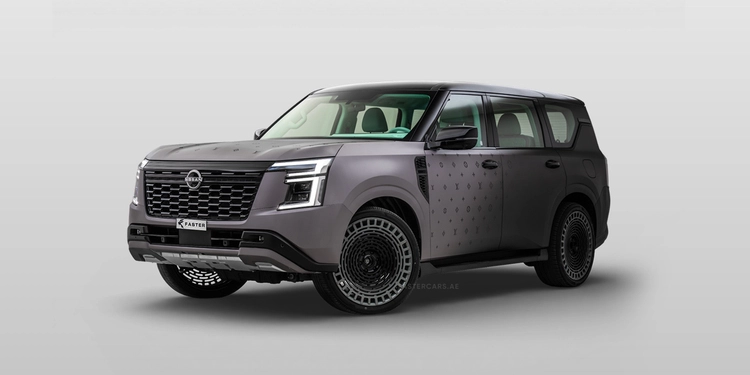
Status displays aren’t universal; they vary by gender and culture. Men often lean toward vehicles or gadgets that signal power or skill: sports cars, motorcycles, high-performance SUVs. Women may focus on fashion, accessories, or curated experiences that highlight sophistication and taste. These aren’t strict rules, but recurring patterns shaped by social norms.
Culture influences how and when luxury is shown. In some places, flaunting wealth is normal and celebrated. In others, understatement is prized. For instance, in parts of the Middle East, visible displays of wealth often signal financial success and social mobility. Northern Europe, on the other hand, tends to favor subtle elegance. The takeaway? It’s not just what you own; it’s how society expects you to show it.
The Role of Social Media and Public Spaces
Social media has made status even more public. Platforms like Instagram, TikTok, and YouTube turn streets, cafés, and shopping districts into virtual stages. A single post can reach thousands (or even millions) beyond the people who saw it in person. Being seen locally isn’t enough anymore; online recognition has become a crucial part of the performance.
Where you display your status matters too. Busy streets, luxury shopping districts, and crowded public spaces maximize exposure. People naturally compare what they see, and a viral video (like a convoy of supercars cruising Dubai) can elevate prestige for both the drivers and the city. It’s a mix of entertainment, aspiration, and social signaling all in one.
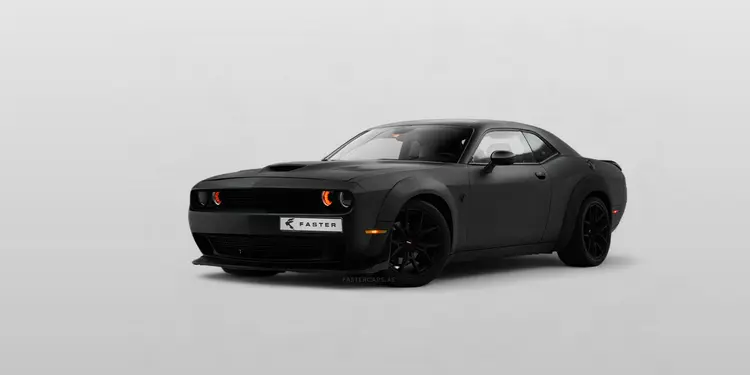
Dubai: A Unique Stage for Luxury Performance
Dubai shows the status economy in full swing. Known worldwide for wealth and luxury, the city offers the perfect backdrop for public displays. Supercars glide past palm-lined streets, shopping malls host some of the world’s most extravagant brands, and events turn into spectacles for anyone watching, whether in person or online.
The city’s layout encourages this behavior. Wide boulevards, iconic landmarks, and upscale entertainment districts provide ideal stages for luxury. Social norms reinforce it, showing off wealth isn’t frowned upon; it’s celebrated. In Dubai, performing status is woven into the social fabric, making it not just accepted but expected in certain circles.
Implications and Reflections
Watching these performances gives insight into how society views wealth and success. Public displays can reinforce social hierarchies and encourage consumerism, but they also reflect a basic human desire for recognition. Observing them reveals a lot about urban life, social media influence, and modern culture.
Things are changing, though. Minimalist lifestyles, ethical consumption, and authentic experiences are reshaping how people show status. Still, humans are wired to notice and be noticed. Whether online or on the street, visibility remains a key way we communicate identity and social position.
Conclusion
Luxury isn’t just about what you own; it’s about what you show. From sports cars cruising city streets to curated social media posts, people perform wealth to signal who they are and where they stand. Gender and culture influence how these displays happen, while urban spaces and social media amplify them. Cities like Dubai show just how visible and celebrated these performances can be. Next time you see a fleet of supercars or a perfectly styled café scene, pause for a moment.