Road Trip Readiness: Essential Vehicle and Driving Safety Tips
The great American road trip – there’s no better way to see this country. Imagine cruising the Pacific Coast Highway alongside the Pacific Ocean, or exploring the Finger Lakes of New York and the breathtaking beauty of Glacier National Park. But whether you’re off to Las Vegas, driving down to the Florida Keys with the kids, or taking the kids to Grandma’s in Chicago, safety has got to be your first priority.
This guide is your ultimate companion for your next adventure, covering all the essentials – from a quick pre-departure check to keeping everyone comfortable on those long drives ahead.
Quick-Start Road Trip Safety Checklist
Before you hit the road – whether heading East to the Appalachian Trail, South to the Grand Canyon, or anywhere in between – take 15 to 20 minutes to run through this checklist. These simple tips can save you from a lot of trouble on the highways, like I-95 or I-10.
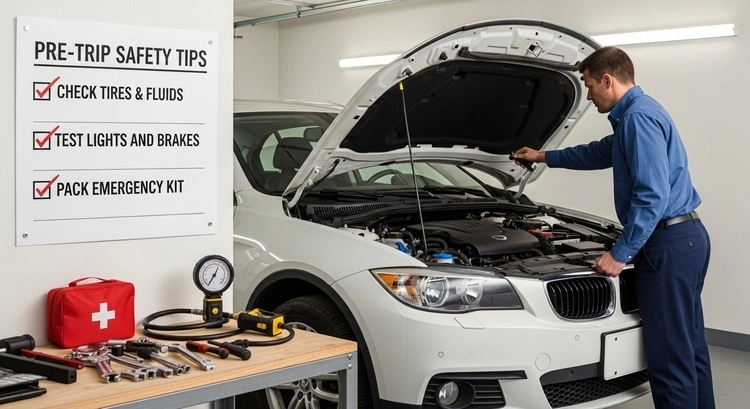
Get these done before you next trip out:
- Make sure all your passengers know to buckle up and that their seat belts are working
- Check your tire pressure against the PSI on your driver door sticker (not the sidewall!)
- Give your tires a good once-over for tread depth and look for any signs of damage or nails
- Fill up on gas – don’t start a trip with a quarter tank
- Load up your GPS route and get some offline maps for areas with limited coverage
- Pack a basic emergency kit with first aid supplies, a flashlight, and jumper cables
- Make sure your registration and proof of insurance are good for 2025
- Save that roadside assistance number in your phone
This quick checklist addresses the most common causes of roadside emergencies. Follow it before your next Memorial Day weekend getaway or July 4th road trip, and you might just save yourself frombeing stuck on the side of the road.
Vehicle Safety Prep Before You Hit the Road
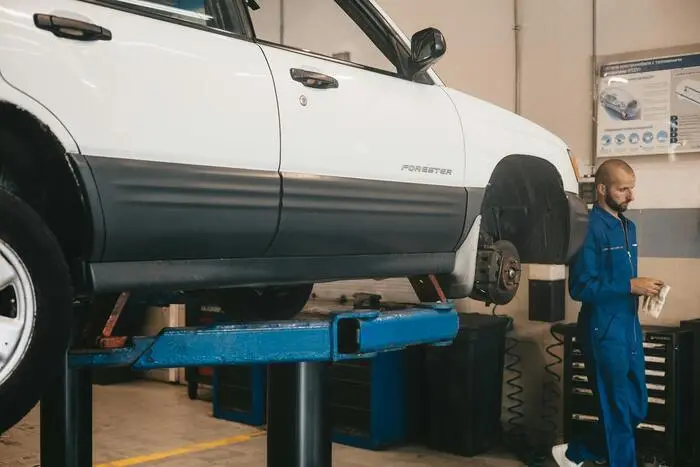
Most road trip issues – like breakdowns on I-40 in Arizona or overheating on steep Colorado passes – can be avoided by doing a thorough vehicle check a few days before you head out.
Tires: Your car’s tires are the only thing standing between you and the road – so check ’em good. Use the manufacturer’s recommended PSI (it’s on the driver door sticker) and check the pressure when your tires are cold. Use the penny test to check tread depth (if you can see Lincoln’s head, you need new tires). Give those sidewalls a once-over for bulges, cracks or nails – and don’t forget the spare.
Cooling System: Before you head into hot states like Texas or Nevada, check your coolant level and color. It should be bright and clean – not murky or rusty. Consider having a mechanic pressure-test the system for leaks if you’re going on a long summer trip.
Other Fluids:
- Engine oil (time to change it if your trip will put you past the service interval)
- Brake fluid
- Transmission fluid (if you can get to it)
- Power steering fluid
- Windshield washer fluid (trust us, you’ll use a lot more than you think)
Battery: Get a mechanic or auto parts store to test the voltage and cold cranking amps. Clean off any corroded terminals with a wire brush. If your battery is older than 4 or 5 years, it’s probably time to replace it – dying in a state park parking lot is nobody’s idea of fun.
Lights and Visibility: Test your low beams, high beams, brake lights, turn signals, and reverse lights. If you’re towing, check those trailer connections. Replace those wiper blades if they’re streaking or cracked. Clear off that clutter on your dashboard and rear window for better visibility.
The Little Things: Make sure those floor mats are secure and not getting in the way of the pedals – this is a common thing that can cause serious accidents.
Safe Driving Habits on Long-Distance Trips
Lots of serious crashes on highways and rural stretches are caused by fatigue, distraction, or speed – not just bad luck. Smart driving habits are your best defence.
Seat Belts: Don’t Even Think About It: Wearing a seat belt cuts your risk of serious injury or death by about half in a crash. Every passenger buckles up before the car moves, every time, on every trip.
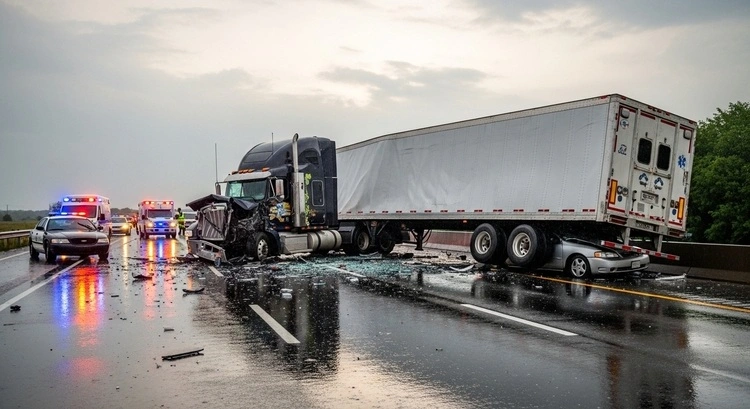
Fatigue Management: Being awake for 17+ hours is just as bad as having a blood alcohol level of around 0.05% – your reaction time suffers, and you become a danger to yourself and others. Even careful drivers can make mistakes when fatigue builds over long distances. If a crash does happen, understanding your options for access to legal support can make the aftermath easier to manage while you focus on recovery.
- Plan for reasonable daily mileage (400-500 miles max)
- Stop every couple of hours or 150-200 miles
- Trade drivers off when possible
- Pull over at rest stops if your eyelids are getting heavy
- Don’t rely on caffeine to get you through – it’s not a cure-all
Don’t Get Distracted: Set up your navigation and playlists before you start driving. Use hands-free calling if you have to, but only when necessary – or better yet, wait till you stop. Never text and drive. Appoint a co-pilot to handle the phone and nav changes while you drive.
Drive Defensively:
- Keep a safe following distance (3-4 seconds minimum)
- Use the left lane for passing, not just cruising* Be super careful late at night when it’s most likely to be drunks and sleepy drivers on the road
Unfamiliar Territory: Keep an eye out for speed limits that drop like a stone in a heartbeat as you’re approaching small towns. Pay attention to wildlife at dawn and dusk – it’s a whole different story in places like New England with all the deer and in Wyoming with the elk. And don’t even get me started on slowing down in construction zones where workers’ lives literally depend on drivers paying attention.
Navigation, Route Planning, and Weather Awareness
Good planning is key to keeping stress levels down, preventing wrong turns into dodgy areas, and those last-minute lane changes on interstates like I-5 or I-95. Whether you’re off to Yosemite National Park, snapping photos of the Golden Gate Bridge in San Francisco, or exploring the history of Cape Cod, getting things right ahead of time makes this journey a whole lot safer.
Pop your main route into a GPS app before you head off. Download offline maps for states that really don’t get a signal, places like Utah, Montana, and stretches near national parks where the signal can vanish into thin air without warning. Mark any key stops like gas stations and lodgings.
Keep printed or screenshot backup directions for when you’re miles from the nearest town or stuck in Golden Gate Park – data service can drop with zero warning.
Timing and Traffic: Plan your departure times so you can avoid rush hour in major cities like Los Angeles, Chicago, or Atlanta. Think about making overnight stops to keep your daily drives reasonable – pushing yourself just leads to fatigue.
Weather Monitoring:
- Check the forecast for the entire route before you set off
- Keep an eye out for summer thunderstorms in the Midwest
- Don’t do anything foolish during hurricane season on the Gulf Coast (that’s June to November for you newcomers)
- Mountain passes can get icy and snowy even when it’s not winter
Use weather apps, local radio, and those highway signs to keep informed. Be ready to delay or divert if conditions start getting hairy. And trust me, it’s smarter to pull over during a severe lightning storm or whiteout than to keep pushing on.
Fuel Planning: When you’re driving through remote bits of West Texas or between towns in Nevada, fill up when the tank hits half. Don’t wait for the low-fuel warning – you might find yourself miles from the next gas station when you’re out of the touristy areas and into the real world.
Emergency Kits, Tools, and Security
You never want to be stuck on an interstate shoulder or a back road with a broken-down car. That’s why it’s vital to keep a stock of useful gear in your vehicle and to know how to use it.
Basic Roadside Kit:
- Jumper leads or a portable jump pack (you know, just in case)
- A decent spare tyre that actually fits your ride
- A proper jack and lug wrench
- Reflective triangles or road flares to make yourself visible
- A good flashlight with spare batteries
- Work gloves for when the going gets tough
First Aid Kit:
- Bandages, gauze, and adhesive tape for when things get messy
- Disinfectant wipes and such
- Over-the-counter painkillers
- Any prescription meds that you’re due for (keep them away from the heat)
Extended Trip Supplies:
- A few gallons of drinking water
- Some non-perishable snacks (you know, the kind that don’t go bad easily)
- A blanket
- A compact fire extinguisher (good for car use)
- A multi-tool
Know Your Equipment: Get familiar with your car before you really need to. Practice changing a tyre at home. Learn where the towing eye and jack points are in your vehicle. And for goodness’ sake, read the instructions for your roadside assistance before you need it.
Vehicle and Personal Security:
- Always lock your car when you leave it parked
- Don’t leave valuables lying around – thieves love tourist areas
- Park in well-lit spots at hotels and rest stops. And don’t park your car in some dark alleyway
- Be discreet when you’re carrying expensive gear like cameras or laptops
Consider a basic steering wheel lock for overnight stops and use phone tracking to keep your trip progress shared with a trusted friend, just in case.
Passengers, Kids, and Pets: Keeping Everyone Safe and Happy
Road trips aren’t just about the driver – you’ve got to think about all your passengers, from little ones to older relatives and pets. When everyone’s comfortable, you’re less likely to get distracted.
Child Safety:
- Use a decent car seat that’s right for the kid’s age and size. And make sure it’s fitted properly
- Kids under 13 should be in the back seat
- No exceptions when it comes to seatbelts – that’s a hard and fast rule
Keeping the Little Ones Occupied: Plan regular breaks at rest areas or parks every two to three hours. Bring along some good books or a portable game or two. And make clear rules about seatbelts and staying put – even if the kids complain.
Snacks and Hydration: Pack some snacks that won’t cause sugar highs or crashes. Bring plenty of water. And try to avoid messy foods that’ll keep you scrubbing at spills all day. Plan actual meals rather than snacking all the time.
Pet Safety:
- Make sure your pets are riding safely in a crash-tested harness or carrier
- Never let your pets roam free in the front seat or on your lap
- Never, ever leave pets in a parked car, even with the windows open a crack – it’s just way too hot for them
Special Needs: Consider making extra stops for older relatives. Make sure you’re stocked up on any medication that may cause drowsiness. Adjust your daily mileage when you’re carrying very young children or seniors. Planning your road trip with people in mind, not just the car, is the key to making the long haul through America’s natural splendours, favourite holiday spots, and stunning destinations a whole lot safer – and actually enjoyable – for everyone on board.
Final notes
The open road is an amazing adventure just waiting to happen: think free concerts in Austin, the great outdoors on those sand dunes, and by raging rivers – the list goes on. But let’s get one thing straight – to actually make the most of it all, you’ve got to get there in one piece. Take a few minutes to sort the car out, chuck some emergency kit in the boot, plot out your route, and make sure every passenger is safe and accounted for. Trust us, the extra bit of prep now will mean you don’t miss out on all the live music, the breathtaking views along the coast,t or any of those memories you just know you’ll be making at your next stop.