Common Missteps After a Motorcycle Crash
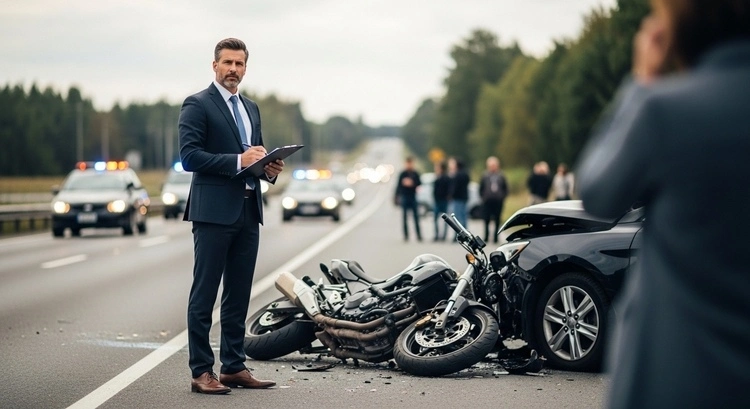
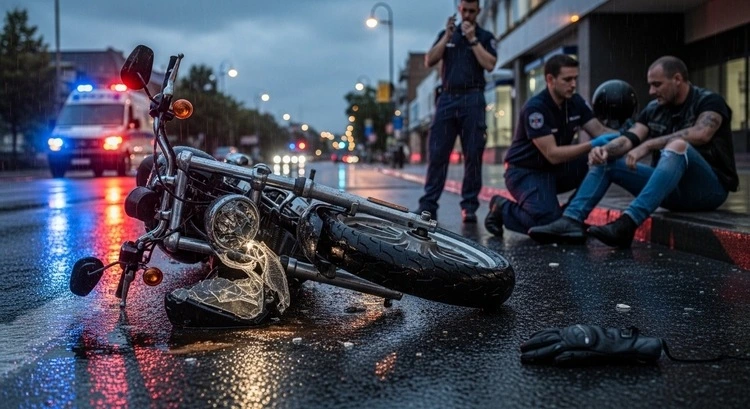
The seconds after a motorcycle crash can be confusing and difficult to describe without having experienced it yourself. All that adrenaline, all that confusion, all that need to evaluate your bike before you’ve even tried to evaluate yourself. During that window, most riders make one of two decisions they will later regret. Not out of ignorance, but because they’re not told how much that window costs.
When you are involved in a motorcycle accident in North Carolina, having a Raleigh motorcycle accident lawyer involved in the case right away can have a big impact on the physical and financial recovery you receive. These are some common errors and why they are more prevalent than most riders think.
No Immediate Pain, No Injury
This is likely the most frequent and costly error. When someone has a serious collision, adrenaline may be high and mask pain signals, meaning that a rider can walk away looking shaken but still functioning. Soft tissue injuries, spinal injuries, and internal trauma may not be immediately apparent on the scene of the incident.
This leaves a medical vacuum, which is an issue. Insurance adjusters are well-trained to notice treatment delays after an accident and will leverage those delays in order to argue the injury wasn’t actually sustained in the accident or that it is not as serious as it sounds. Even if it looks like everything is alright, being assessed the same day will keep you both healthy, and in your case.
Talking Too Much at The Scene
It’s not the same thing to talk to law enforcement as it is to give a running commentary to everyone around. Anything you say at the scene, to the other driver, to other witnesses, even to responding officers, beyond what is needed, can come back to haunt you later and hurt your claim.
Simple-sounding explanations tend to sound like admissions. The whole fault narrative can be shifted by saying, “I didn’t have time to brake” or “I didn’t notice the turn signal. Give them identification and insurance details, let the police make their notes, and save a detailed description for an attorney.
The same applies if the insurance company calls and asks for a recorded statement. That call usually occurs within 24 hours of the accident, when you haven’t had enough time to know what’s happening to you or what you have at your disposal. It is not necessary to submit one.
Skipping the Police Report
If damage appears to be minor and both involved parties appear to be cooperating, it may seem like a waste of time to report it to the police. It isn’t. A police report is an official, current document that captures the essential facts: Who was there, what happened, and what everyone said at the moment. If not, transactions can be lost, and you may find yourself being left with no proof of what occurred.
Accepting a Settlement Before Understanding the Full Cost
Motorcycle accident insurance companies are quick to respond to claims made by motorcycle riders, and swiftness is a good tactic. An early offer is typically less than what a well-documented claim will generate, as they occur prior to the full extent of injuries being known.
The real cost of a serious crash builds over time:
- Specialist visits
- Imaging
- Physical therapy
- Lost time at work
- Continued restrictions impacting everyday life
The costs will be forfeited if you settle before this picture is clear. Signing a release will mean the end of the matter, no matter what happens.
Underestimating How Bias Shapes The Process
Claims for motorcyclists are hampered by a perception problem that is not always apparent. A cultural image of the reckless rider actually affects claimant processing, human memory of events, and jury verdicts. Someone who enters an appeal without a background in the situation is likely to be caught off guard by how much this relatively simple case becomes an appeal fight.
Not Keeping a Documentation Record From The Beginning
The life of evidence at a crash scene is limited. Skid marks fade, surveillance footage cycles, and witness memories become less precise the more you pass the day. Immediate photographs of the scene, vehicles, road conditions, and apparent injuries are priceless and more valuable than anything that could be reconstructed later. This record, which is updated as the injuries progress and expenses mount, forms the basis of any serious claim.
Conclusion
The ones who ride out the storm without problems may not have the most severe injuries. It’s they who realized early that the decisions made in those initial hours have a greater impact than the crash scene itself.