Classic Cars and the Growing Demand for Replacement Components
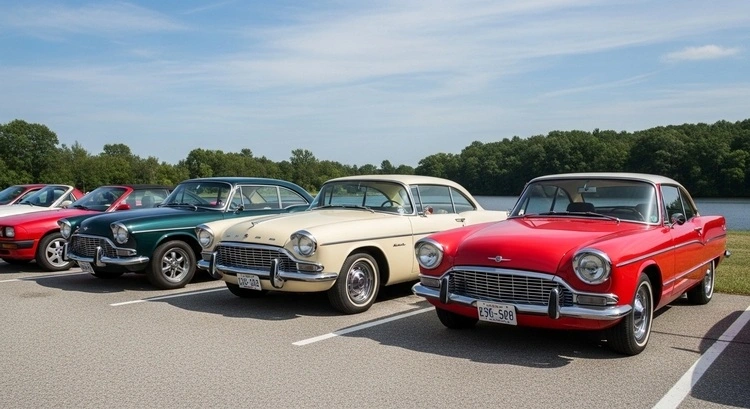
Classic cars have always held a special place in the automotive world. They represent more than just transportation — they are symbols of design heritage, engineering milestones, and personal passion. Over the past decade, interest in classic vehicles has grown significantly, and with it, a rising demand for replacement components that keep these machines alive and roadworthy.
The Enduring Appeal of Classic Cars
Classic cars attract enthusiasts for many reasons. Some admire their mechanical simplicity, others appreciate their timeless design, and many are drawn to the driving experience that modern vehicles often lack. Unlike today’s cars, which are heavily digitalized, classics offer a more direct connection between driver and machine.
This emotional appeal is a key reason why owners are willing to invest time and money into maintaining them. Rather than replacing a classic car, enthusiasts often prefer to restore and preserve it, keeping its original character intact.
Why Replacement Parts Are Becoming More Important
As classic cars age, wear and tear become inevitable. Rubber components degrade, metal parts corrode, and mechanical systems require refurbishment. Because production of many older models has long stopped, finding suitable replacement components is becoming increasingly important.
This growing demand has led to a strong aftermarket industry dedicated to supplying rare and refurbished parts. Whether it’s engine components, suspension elements, or interior fittings, access to quality replacements is essential for keeping classic cars on the road.
In particular, enthusiasts of models like the Porsche 944 parts community often rely on specialized suppliers to maintain authenticity while ensuring performance and reliability.
The Challenge of Scarcity
One of the biggest challenges in maintaining classic cars is scarcity. Original manufacturer parts are often discontinued, and remaining stock becomes increasingly rare over time. This scarcity drives up prices and forces owners to explore alternative solutions such as refurbished parts, reproductions, or donor vehicles.
For many collectors, originality is important, so sourcing the correct components becomes part of the ownership experience. This process requires patience, research, and a strong network within the classic car community.
The Role of the Aftermarket Industry
The aftermarket industry has become a lifeline for classic car preservation. Specialists produce high-quality replicas of discontinued parts, while others restore original components to factory condition. This ensures that even decades-old vehicles can remain functional and safe.
Without this industry, many classic cars would gradually disappear from the roads. Instead, they continue to thrive thanks to dedicated manufacturers and suppliers who understand the importance of preserving automotive history.
Restoration vs. Preservation
When it comes to classic cars, owners often face a choice between full restoration and careful preservation. Restoration involves returning a vehicle to like-new condition, often requiring extensive replacement of parts. Preservation, on the other hand, focuses on maintaining originality while repairing only what is necessary.
Both approaches depend heavily on access to reliable components. Whether restoring a fully dismantled project or simply replacing worn-out elements, having the right parts available is essential to maintaining authenticity and functionality.
Increasing Value of Classic Vehicles
As demand for classic cars grows, so does their market value. Well-maintained examples with documented history and original or high-quality replacement parts often command significantly higher prices. This has turned classic car ownership into both a passion and an investment.
The availability of correct components plays a direct role in this value. A car maintained with proper parts is far more desirable than one fitted with incompatible or low-quality replacements.
Technology Helping the Classic Car Market
Modern technology has also influenced the availability of replacement components. Online marketplaces, digital catalogs, and global shipping have made it easier than ever to source rare parts from different countries. Enthusiasts can now locate components that would have been nearly impossible to find in the past.
Additionally, 3D scanning and manufacturing technologies are beginning to play a role in reproducing obsolete parts with high precision, further supporting the classic car ecosystem.
Passion That Keeps Cars Alive
At the heart of the classic car world is passion. Owners are often deeply committed to preserving their vehicles, investing significant time into maintenance and restoration. This passion fuels the demand for parts and keeps the entire ecosystem alive.
Communities, clubs, and online forums also play a major role, sharing knowledge, sourcing tips, and helping enthusiasts find rare components.
Conclusion: Sustaining Automotive Heritage
Classic cars are more than machines — they are pieces of history. As they age, the need for replacement components becomes increasingly important to ensure their survival. The growing demand for specialized parts reflects a global effort to preserve automotive heritage for future generations.
Whether it’s through restoration projects, aftermarket production, or dedicated communities, the availability of components like Porsche 944 parts ensures that these iconic vehicles continue to be driven, admired, and enjoyed for many years to come.