How to Match the Right Tow Vehicle to an Event or Beverage Trailer
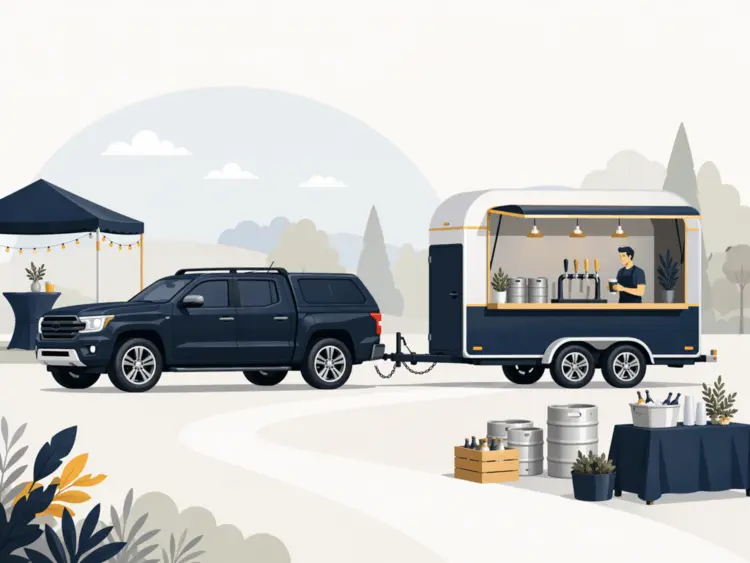
A trailer can look manageable sitting in a driveway or on a dealer lot. The real test starts when it’s loaded with kegs, ice, serving gear, signage, power equipment, and all the little extras that seem to multiply before an event. That’s where many owners get caught off guard. They focus on the trailer layout and forget that the tow vehicle does just as much work.
Matching the right tow vehicle to an event or beverage trailer is not just about whether the hitch connects. It’s about stability on the road, safe braking, legal weight limits, and making setup days less stressful. A poor match can leave you with sagging suspension, longer stopping distances, and a vehicle that feels overwhelmed before the first pour is even served.
Start with the real trailer weight, Not the Empty Spec
The first number people look at is often the trailer’s dry weight. That figure helps, but it rarely reflects what you’re actually towing to a wedding, festival, or private event. Once you add beverages, coolers, CO2 tanks, serving accessories, storage bins, and water or electrical equipment, the total climbs fast. A trailer listed at 2,500 pounds empty can end up far heavier in working condition.
That’s why the better approach is to estimate your fully loaded trailer weight before choosing a vehicle. Give yourself margin rather than aiming right at the manufacturer’s tow rating. If your trailer and cargo put you near the vehicle’s maximum capacity every weekend, you’re already in a bad spot. A tow vehicle should handle the load comfortably, not barely.
Know the Difference Between Tow Rating, Payload, and Tongue Weight
This is where many otherwise careful buyers make the wrong call. Towing capacity matters, but it’s only one piece of the puzzle. Payload matters too, because that includes passengers, gear in the vehicle, and the trailer’s tongue weight pressing down on the hitch. If you have two crew members, a bed full of event supplies, and a loaded trailer, payload can become the limiting factor long before published tow capacity does.
For beverage setups especially, trailer balance matters because the load is rarely static. Kegs, refrigeration equipment, and serving hardware can shift how weight is distributed. If you’re comparing options such as a portable tap trailer, check the expected tongue weight and axle setup, then compare that against the actual sticker inside the driver-side door of the tow vehicle. That sticker gives you a more useful real-world number than broad marketing claims.
Match the Vehicle to the Type of Events You Actually Serve
A compact pickup or body-on-frame SUV may be enough for short local trips with a lighter trailer and predictable routes. But that same setup may feel underpowered if you’re traveling across counties, climbing grades, or towing through stop-and-go city traffic in summer heat. The route matters almost as much as the load. Flat suburban roads are one thing. Repeated highway runs, ramps, gravel entries, and crowded venue access points are another.
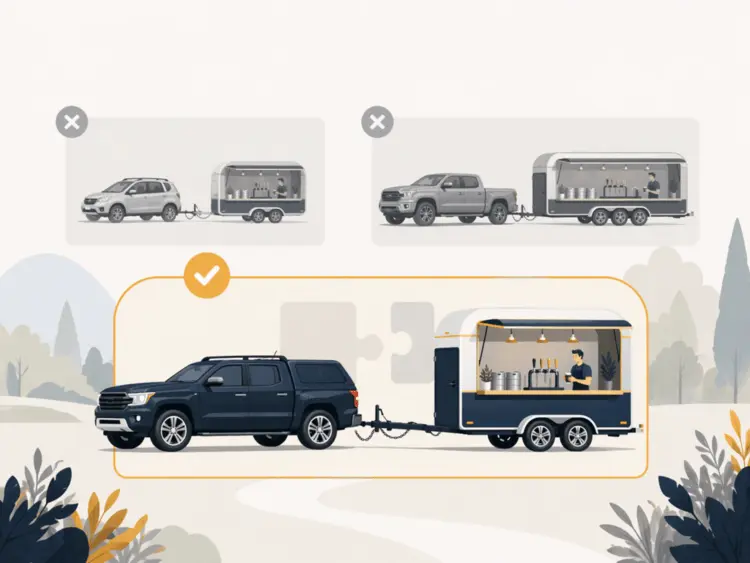
Think about your normal workweek, not the easiest towing day you can imagine. A beverage trailer used for backyard parties twice a month has different demands than one heading to weddings every weekend with early setup times and long drives. If you often tow in bad weather or on mixed terrain, features like trailer brake compatibility, tow mode, an upgraded cooling system, and longer wheelbase become far more valuable than they seem on paper.
Don’t Ignore Braking, Wheelbase, and Hitch Setup
Power gets attention because it’s easy to talk about horsepower and torque. Control matters more. A longer wheelbase generally gives you better stability, especially when crosswinds pick up or when larger trucks pass you on the highway. Trailer sway is not something you want to learn about while towing a beverage trailer full of equipment to a paying event.
The hitch setup also deserves more care than it usually gets. Make sure the receiver, ball mount, and coupler are rated for the load. If the trailer size calls for it, use trailer brakes and a brake controller instead of treating them like optional extras. For heavier event trailers, a weight-distribution hitch may also improve ride balance and steering feel. These details sound technical, but they directly affect whether the trip feels calm or tense from start to finish.
Plan for the Business You’re Growing Into
A lot of owners buy the trailer they have now, then outgrow the vehicle within a season. Maybe the menu expands. Maybe events get larger. Maybe you can add equipment for faster service or more taps. Suddenly, the original tow vehicle, which seemed fine at first, starts feeling too small for the workload.
It usually makes more sense to buy with a bit of headroom if you know the trailer will be part of a growing event business. That does not mean overspending on the biggest truck available. It means choosing a vehicle that can manage current demands without running at its limits every time you book a larger job. Better towing manners, extra payload, and stronger braking capacity tend to pay for themselves in reduced strain and fewer compromises.
The clearest takeaway is simple: match your tow vehicle to the trailer’s real working weight and the way you actually use it, not the best-case numbers on a spec sheet.