The Most Reliable Mercedes: Top Models Built to Last
When you see the three-pointed star on a hood, you immediately think of prestige, comfort, and autobahn-storming performance. But for many potential buyers, a nagging question lingers just beneath the surface: Is it actually reliable? The automotive world is full of stories about expensive German repair bills and over-engineered sensors that fail if you look at them wrong.
However, painting the entire brand with that brush is a mistake. Mercedes-Benz has produced some of the most durable vehicles in history. The trick isn’t just buying a “Mercedes”; it is buying the right Mercedes. Reliability here isn’t just about parts not falling off. It is about powertrain durability, the quality of the chassis, and how well the car ages over hundreds of thousands of miles.
This guide cuts through the noise. We aren’t just looking at JD Power surveys from last year. We are digging into the chassis codes, engine variants, and engineering choices that define the golden eras of modern Mercedes-Benz reliability. Whether you are a commuter looking for comfort or an enthusiast seeking a long-term keeper, this roadmap will show you which models truly go the distance.
The Engineering Behind the Badge: Why Some Models Last Longer
To understand which cars last, you have to look at what powers them. Mercedes-Benz reliability isn’t random; it is a direct result of specific engineering philosophies used during certain production eras.
The brand struggled in the early 2000s (specifically the “Chrysler era”) with electronics and rust. But they corrected course sharply in the late 2000s. They shifted focus back to over-engineering mechanical components while simplifying the electronic architecture where it mattered. This shift created a sweet spot where modern safety tech met old-school mechanical durability.
The “Bulletproof” Engines (M276, OM642, and M113)
If the chassis is the body, the engine is the heart, and Mercedes has built some incredibly strong hearts. When shopping for a used model, your first check should always be the engine code.
For petrol buyers, the M276 V6 engine is a standout. Introduced to replace the older M272 (which had balance shaft issues), the M276 is a naturally aspirated or bi-turbo V6 that offers smooth power without the fragility of high-strung racing engines. It powers many of the E-Class and C-Class models on this list and is known for easily surpassing 200,000 miles with basic fluid changes.
On the diesel side, the OM642 3.0L V6 and the OM651 2.1L inline-four are legendary. You will find these in everything from luxury sedans to Sprinter vans. Taxi fleets in Europe punish these engines daily, and they simply refuse to quit. They are designed for high-compression cycles and long-haul driving, making them ideal for highway commuters.
Transmission Excellence: 7G-Tronic vs. The World
A reliable engine is useless if the transmission fails. Fortunately, Mercedes-Benz develops its transmissions in-house, a rarity in the auto industry. The 7G-Tronic (7-speed automatic) is a major reason why these cars age so gracefully.
Unlike many modern economy manufacturers that switched to Continuously Variable Transmissions (CVTs) to chase fractionally better fuel economy, Mercedes stuck with robust torque-converter automatics. A traditional geared transmission handles torque better and offers a more engaging driving experience. It also tends to be more durable in heavy vehicles. For drivers who prioritize long-term engagement and durability, choosing SUVs without CVT transmission like the Mercedes GLK or GLE is often a smarter investment than buying a disposable crossover that whines at highway speeds.
The Gold Standard: Most Reliable Mercedes Sedans
Sedans are the bread and butter of the Mercedes lineup. They are the executive transporters, the family haulers, and the daily drivers. Because they are produced in such high volumes, parts are readily available, and mechanics know them inside out.
Mercedes-Benz E-Class (W212 & W213)
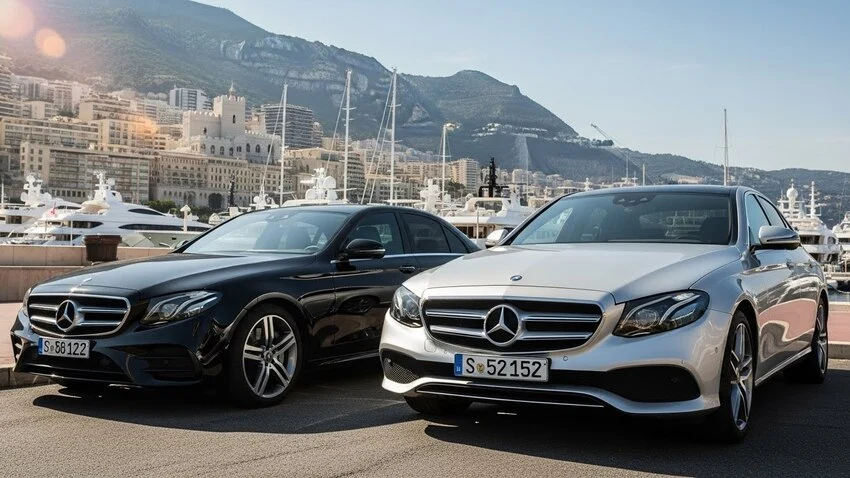
If you ask a Mercedes mechanic which car they would buy with their own money, the answer is almost always the E-Class. It sits perfectly in the middle of the lineup—more robust than the C-Class but less electronically complex than the S-Class.
The W212 generation (2010–2016) is arguably the reliability peak for modern Mercedes. Specifically, the facelifted models from 2014 to 2016 are excellent. Mercedes ironed out early timing chain concerns and updated the styling. These cars feel carved from granite. The interior materials resist wear, and the suspension strikes a balance that doesn’t stress the control arms as much as heavier models.
The newer W213 (2016–Present) continued this legacy but added more technology. While early models had some software glitches, the mechanicals remained solid. The return to inline-six engines in later years has been praised for smoothness, though the naturally aspirated V6 of the previous generation remains the champion of simplicity.
Mercedes-Benz C-Class (W204)
For those who want a smaller footprint without sacrificing build quality, the C-Class W204 (2007–2014) is the car that redeemed the compact segment for Mercedes.
The previous generation (W203) was plagued by electrical gremlins and rust. The W204 was Mercedes’ apology. They stiffened the chassis, simplified the electronics, and used higher-grade steel. The result is a compact sedan that feels incredibly substantial.
The standout performer here is the C300 with the aforementioned V6 engine, or the C220 CDI diesel. These cars are often called “mini tanks.” The suspension is simple but effective, and the cabin avoids the overly digitized touchscreens that fail in modern cars. If you find a well-maintained W204, you likely have a car that will run for another decade with minimal fuss.
Mercedes-Benz S-Class (W221)
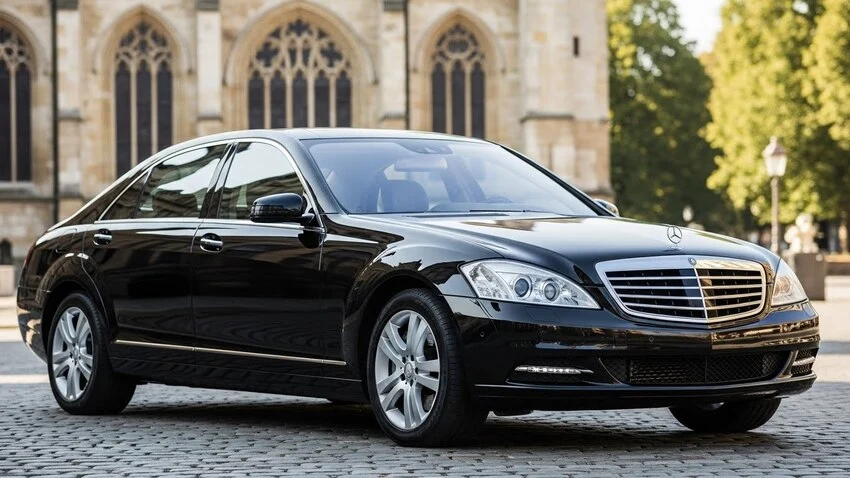
It seems counterintuitive to put a flagship luxury limo on a reliability list. Usually, more gadgets equal more problems. However, the S-Class W221 (2006–2013) is an exception to the rule.
This car was built during the era when Mercedes aimed to reclaim its title as the best car manufacturer in the world. The engineering budget was massive. While the Airmatic suspension is a wear item that will eventually need replacement, the core components are incredibly durable.
The W221 offers a “vault-like” driving feel that few cars can match. The V8 engines are unstressed in daily driving, meaning they rarely suffer from heat fatigue. Owners often report that the electronics, while complex for the time, hold up surprisingly well compared to rivals from BMW or Audi of the same vintage. It proves that you can have luxury without constant fragility.
Top Reliable Mercedes SUVs and Crossovers
For decades, Mercedes-Benz focused primarily on sedans. But as the world shifted toward utility vehicles, the brand applied its engineering prowess to SUVs. The transition wasn’t always smooth—early ML-Class models had their share of quality control hiccups—but by the 2010s, Mercedes had mastered the art of building robust, luxurious SUVs.
Mercedes-Benz GLK-Class (X204)
The GLK-Class (2010–2015) is widely considered one of the best used SUVs you can buy today. Unlike the rounded, jelly-bean shapes of its competitors, the GLK adopted a boxy, angular design reminiscent of the legendary G-Wagon. This wasn’t just for looks; the upright stance provides excellent visibility and a surprisingly spacious cabin for its compact footprint.
Under the hood, the GLK shines. It sits on the same mechanical architecture as the W204 C-Class, which we already established as a high point for durability. The GLK350 features the stout 3.5L V6 engine, offering plenty of passing power without the complexity of turbochargers. It’s a powertrain that feels over-qualified for a vehicle of this size, meaning it rarely works hard to get you moving.
Reliability is generally stellar, but due diligence is still required. The 2013–2015 facelift models are the “sweet spot,” featuring updated interiors and resolved mechanical quirks. However, not every model year was perfect. Prospective buyers should be aware of specific Mercedes GLK years to avoid to steer clear of early transfer case teething issues that plagued the pre-facelift versions. If you navigate around those early production runs, the GLK is a tank in a tuxedo.
Mercedes-Benz GLE and M-Class (W166)
If you need more space than the GLK offers, the W166 generation (2012–2019) is the logical step up. This chassis bridges the gap between the older “M-Class” and the renamed “GLE-Class.” Regardless of the badge on the trunk, the underlying car is the same—and it is excellent.
The W166 feels heavy, solid, and planted. Drivers often describe the experience as driving a “bank vault.” This generation moved away from the utilitarian roots of early SUVs and embraced pure luxury cruiser vibes. The chassis is rigid, which eliminates the rattles and squeaks common in aging SUVs.
For towing and highway cruising, the diesel variants (like the ML350 Bluetec) are favorites among enthusiasts for their massive torque and fuel range. However, the petrol GLE 350 is the safer bet for simplicity. It avoids the complex emissions systems of modern diesels while delivering smooth, predictable power. It competes directly with the best from Japan but offers a level of high-speed stability that lighter competitors struggle to match.
Mercedes-Benz G-Class (The G-Wagon)

The G-Class is an outlier. It began life as a military vehicle in the 1970s and, incredibly, kept the same basic architecture for over 40 years. While modern versions are draped in leather and carbon fiber, the bones remain essentially a tractor.
This agricultural heritage is exactly why it is reliable. It uses solid axles and three locking differentials—hardware designed to survive war zones, not just school runs. While the purchase price is eye-watering and fuel economy is abysmal, the mechanical components are nearly indestructible if maintained. The G-Class doesn’t just hold its value; it often appreciates, making it a unique ownership proposition where the high entry cost is offset by zero depreciation.
Niche Reliability: Coupes, Convertibles, and Vans
Reliability isn’t limited to family haulers. Mercedes has a history of building fun and functional vehicles that don’t punish you for owning them.
Mercedes-Benz SLK (R171 & R172)
Sports cars are usually fragile. The SLK flips that script. This compact roadster is built on the C-Class platform, meaning it shares the robust suspension and engine options of its sedan siblings.
The defining feature of the SLK is its “Vario-roof,” a folding hardtop that turns the car from a coupe to a convertible in seconds. Unlike soft-top convertibles that rip, leak, or get slashed by vandals, the SLK’s metal roof is durable and secure. The mechanism is reliable, though it requires occasional lubrication. If you want a weekend toy that starts every time and doesn’t leak in a rainstorm, a six-cylinder SLK is a fantastic bargain in the current market.
Mercedes-Benz Sprinter (906 Series)
You might not expect a delivery van on a list of luxury cars, but the Sprinter deserves its spot. The “906 Series” Sprinter is the backbone of global logistics. These vans are engineered with a different mindset: uptime.
Powered by the legendary OM642 or OM651 diesel engines, Sprinters frequently hit 500,000 miles or more. They are the darling of the “Van Life” movement not just for their size, but because they can cross continents without mechanical drama. While the emissions systems on modern diesels require attention (specifically the AdBlue system), the core engine and transmission are capable of circling the globe multiple times.
Critical Buyer’s Guide: What to Inspect
Identifying a reliable model is only step one. Step two is inspecting the specific car in front of you. Even the most durable Mercedes will become a money pit if previous owners neglected it.
Common Mercedes-Benz Pain Points
Every manufacturer has weak spots. For Mercedes, it is often the Airmatic suspension. This air-ride system provides a cloud-like ride, but the rubber airbags eventually dry rot and leak, usually around the 80,000 to 100,000-mile mark. This isn’t a “defect” so much as a maintenance item, like tires or brakes, but it is expensive. When test-driving, listen for a compressor that runs constantly or look for a car that sags in one corner after sitting overnight.
Electrical gremlins can also pop up. The COMAND infotainment system is generally robust, but check that the rotary dial works smoothly. Also, check all window regulators; heavy double-paned glass puts extra strain on the motors, and they can fail on older models.
Finally, check for rust on pre-2006 models. Mercedes improved their galvanization process significantly after 2005, so the models listed in this guide (W204, W212, W166) are much more resistant to corrosion than their predecessors.
Service History is King
The single most important document you need is the service history. Do not buy a Mercedes-Benz without one.
Pay close attention to the transmission fluid services. Mercedes officially recommended “sealed for life” transmissions for a brief period in the early 2000s, but they quickly retracted that. The 7G-Tronic transmission needs a fluid and filter change every 40,000 to 60,000 miles. If you find a car with 100,000 miles and the seller says the transmission fluid has never been changed, walk away. Fresh fluids are the cheapest insurance you can buy for German cars.
Mercedes-Benz vs. The Competition
When you are spending hard-earned money on a premium vehicle, it is natural to cross-shop. How does the three-pointed star stack up against its German neighbors and the titans of Japanese reliability? The answer lies in the philosophy of the engineering.
German Rivals (BMW & Audi)
The battle between Mercedes, BMW, and Audi is eternal. Generally, BMW focuses on driving dynamics (“The Ultimate Driving Machine”), often tuning engines for sharper response. While exhilarating, this high-strung nature can lead to premature wear on cooling systems and gaskets—plastic water pumps and brittle valve cover gaskets are common BMW grievances.
Audi, on the other hand, excels in technology and interior design. However, their complex Quattro all-wheel-drive systems and packaging decisions (like placing timing chains at the back of the engine against the firewall) can turn minor repairs into engine-out procedures.
Mercedes-Benz typically takes a “comfort-first” approach. Their engines are often slightly less stressed than equivalent BMW units, prioritizing smooth torque delivery over high-RPM screaming. This philosophy pays dividends in longevity. An E-Class W212 generally has fewer catastrophic failure points than a contemporary BMW 5-Series (F10), simply because the Mercedes doesn’t push its components to the bleeding edge of performance in daily driving.
Japanese Competitors (Lexus & Acura)
It is the elephant in the room: If you want reliability, shouldn’t you just buy a Lexus?
Statistically, yes. Lexus (Toyota) consistently tops reliability charts. However, the trade-off is often driving engagement and “road feel.” A Lexus ES is reliable, but it can feel disconnected, like driving a very nice appliance. A Mercedes C-Class or E-Class offers a solidity—a heavy, planted feeling at 80 mph—that Japanese competitors struggle to replicate.
Furthermore, the gap in reliability isn’t as wide as internet forums suggest, provided you choose the right model years. While Japanese SUVs are often cited for reliability, they aren’t immune to issues. For instance, knowing the Acura MDX years to avoid can help buyers realize that a well-maintained Mercedes GLE often rivals the reliability of its Japanese counterparts in specific model years. Transmission issues and infotainment glitches happen to everyone; Mercedes just requires you to be more proactive with maintenance than the “change oil and ignore it” mindset you can sometimes get away with in an Acura.
Summary and Final Verdict
After analyzing decades of production data, chassis codes, and owner reports, the verdict is clear: Mercedes-Benz reliability is real, but it is specific. You cannot simply buy any Mercedes and expect it to run like a Toyota Corolla. You must buy the models where the engineers won the battle against the accountants.
The “Holy Trinity” of Reliable Used Mercedes
If you want the safest bets for your money, these three models represent the pinnacle of modern Mercedes durability:
- The Executive Choice: E-Class (W212 Facelift, 2014–2016) This is arguably the best sedan Mercedes has built in the 21st century. It combines the robust M276 V6 engine with a chassis that feels indestructible. It is modern enough to have Bluetooth and safety tech, but old-school enough to last 300,000 miles.
- The Daily Driver: C-Class (W204, 2011–2014) The facelifted W204 is the perfect entry point. It is compact, relatively simple to work on, and free from the rust issues of the past. It offers the classic Mercedes “thud” when you close the door, without the S-Class maintenance budget.
- The Utility Player: GLK-Class (X204, 2013–2015) If you need an SUV, skip the early MLs and go straight for a late-model GLK. It is essentially a tall C-Class wagon with a naturally aspirated V6. It is reliable, practical, and uniquely styled.
Final Thoughts
Ultimately, the most reliable Mercedes is the one that was loved by its previous owner. A pristine S-Class with a binder full of service receipts is a safer buy than a neglected C-Class.
Don’t be afraid of the badge. When maintained correctly, these cars offer an ownership experience that is unmatched in the automotive world. They don’t just transport you; they insulate you from the road, keeping you fresh after hundreds of miles. Do your homework, inspect the history, and choose one of the proven chassis codes listed above. If you do, you won’t just have a reliable car; you’ll have a Mercedes-Benz that lives up to the legend.