American Muscle Cars: Top 10 Classics Every Enthusiast Should Know
American muscle cars are loud, simple, and full of character. Big V8 up front, power going to the rear wheels, and a design that looks strong even when the car is parked. These machines were built to be exciting first and practical second – and that’s exactly why people still love them.
What Makes a Car a Muscle Car?
Most enthusiasts agree on a few basics:
- It’s built by an American brand
- It has a large-displacement V8 engine
- It sends power to the rear wheels
- It focuses more on straight-line speed than perfect cornering
Sports cars chase lap times. Muscle cars chase that feeling when the car pins you back in the seat and the exhaust roars.
How This Top 10 List Works
This guide walks through ten of the most important American muscle cars ever made. We’ll start with the early foundation cars and one big-block legend that pushed the formula to the extreme.
1. Oldsmobile Rocket 88
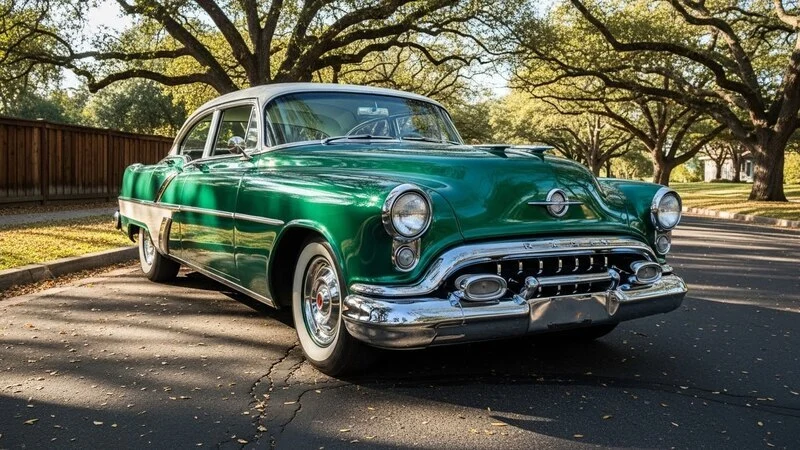
The Oldsmobile Rocket 88 from 1949 is often called the “grandfather” of American muscle. At a time when many cars were slow and heavy, Oldsmobile took a relatively light body and dropped in a strong overhead-valve V8.
It felt quicker, more responsive, and far more fun than most of its rivals. Early hot-rodders loved it because it was a factory car that already felt like it had been tuned.
Why It Matters
The Rocket 88 proved that there was a real market for power. It showed American brands that people were willing to pay for speed and excitement, not just comfort and chrome. That simple idea – more engine in a smaller package – quietly set up everything that came after.
What It Represents Today
You won’t see Rocket 88s on every street, but in muscle car history, it’s a key turning point. Without it, the classic 1960s and 1970s performance boom might have looked very different.
2. Pontiac GTO
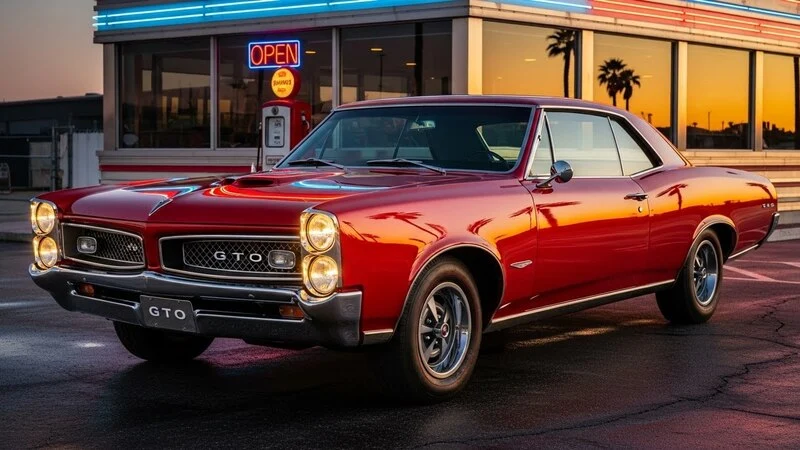
The Pontiac GTO took the hint from cars like the Rocket 88 and went all in. In 1964, Pontiac took a mid-size car and installed a big V8, then marketed it directly as a performance model. That move flipped a switch in the industry.
Instead of performance being a rare option, it became the whole identity of the car. Young drivers loved it because the GTO felt fast, sounded aggressive, and didn’t look like something their parents would drive.
Why It’s a Legend
The 1964 Pontiac GTO is widely seen as the first true “muscle car” in the way we use the term today. It made real performance feel reachable. You didn’t need an exotic European sports car. You could go to a normal American dealership, sign some paperwork, and drive home in something genuinely quick.
That shift also pushed more buyers toward financing instead of paying cash. Stretching a bit to afford a dream car slowly became normal. Over time, this helped shape the culture where many Americans simply accept monthly car payments as a standard part of life.
How It Changed the Game
Once the GTO started selling, the message to other brands was clear: build something faster, louder, and more exciting, or get left behind. That pressure kicked off the horsepower wars that defined the late 1960s and gave us most of the classic muscle names people still talk about today.
3. Chevrolet Chevelle SS 454
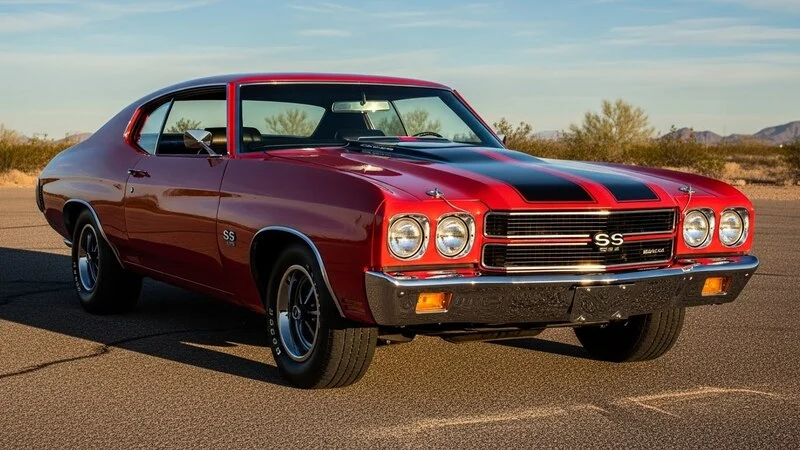
The Chevrolet Chevelle SS 454 shows what happens when car makers decide “too much” is not enough. By 1970, Chevrolet was dropping a massive 454 cubic-inch big-block V8 into the Chevelle, creating one of the most feared street cars of its time.
On the outside, the Chevelle SS kept things clean and tough: long hood, strong lines, and just enough stripes and badging to hint at what was hiding underneath.
Why Enthusiasts Love It
The 1970 Chevelle SS 454 LS6 became famous for its brutal torque and straight-line performance. Press the throttle, and the rear tires would struggle for grip. At the drag strip and on the street, it earned a reputation as a car that could easily embarrass most rivals.
Today, it’s one of the cars people picture when they think “classic American muscle”: big engine, simple layout, and a sound that makes everyone turn their head.
4. Chevrolet Camaro Z/28
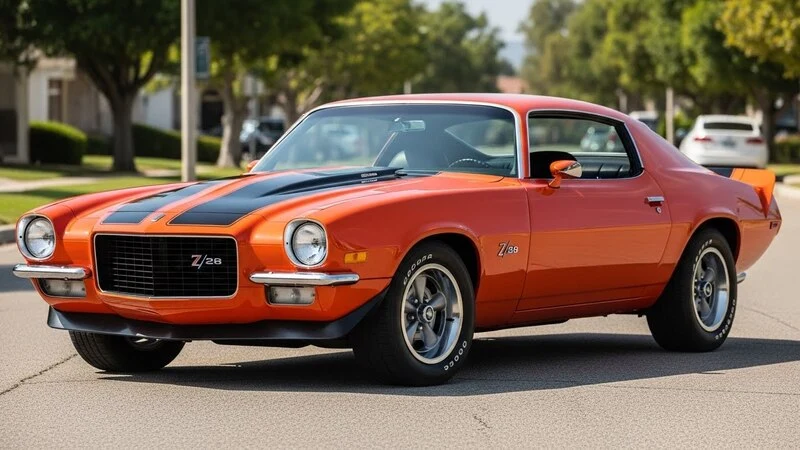
The Camaro Z/28 was Chevrolet’s focused, track-ready answer to the Mustang. The first Z/28 arrived in 1967, built for the Trans-Am racing series, and it immediately changed how people saw American muscle. It wasn’t just about raw straight-line power anymore. This Camaro could turn, stop, and still look mean sitting at the curb.
Why It Stands Out
Under the hood, the Z/28 used a high-revving small-block V8 that loved to be pushed. It didn’t feel lazy or soft; it felt alive. On top of that, firmer suspension, better brakes, and quick steering made it sharper than many bigger muscle cars of its time.
Best Thing About It Today
For many enthusiasts, an early Z/28 is the “driver’s car” of the classic muscle world. It still rumbles and shakes like a proper American V8, but it rewards you for actually taking corners, not just mashing the throttle in a straight line.
5. Shelby Mustang GT350
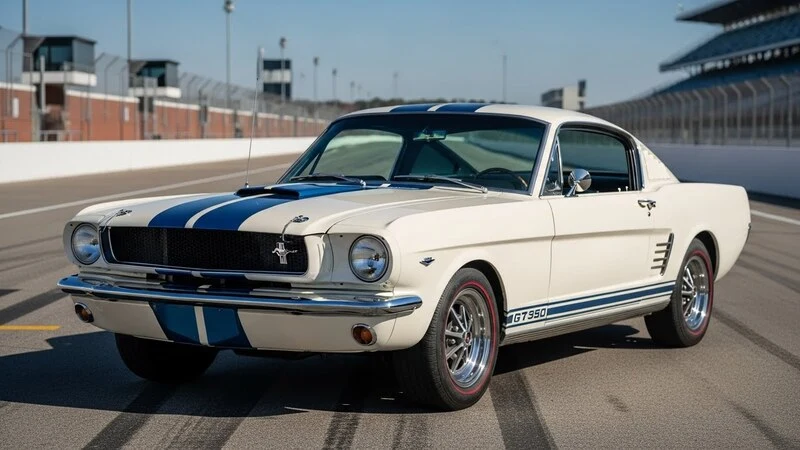
The Shelby Mustang GT350 took the regular Mustang and turned it into something much more serious. In the mid-1960s, Carroll Shelby’s team stripped out weight, stiffened the chassis, and tuned the V8 to create a car that felt at home on a race track.
Why It’s a Legend
A GT350 from 1965 or 1966 is loud, raw, and very direct. It doesn’t hide what it is. The engine pulls hard, the suspension talks to you, and the whole car feels like it wants to go faster than the road allows. It played a huge role in building the Mustang’s performance reputation, proving this “pony car” could run with far more exotic machinery.
Who It’s For
Today, the GT350 is a dream-car level machine. It appeals to people who love the Mustang shape but want something with real motorsport history behind it. It’s not the most comfortable classic, but that’s the point—it’s a race-bred muscle car with a license plate.
6. Chevrolet Corvette L88
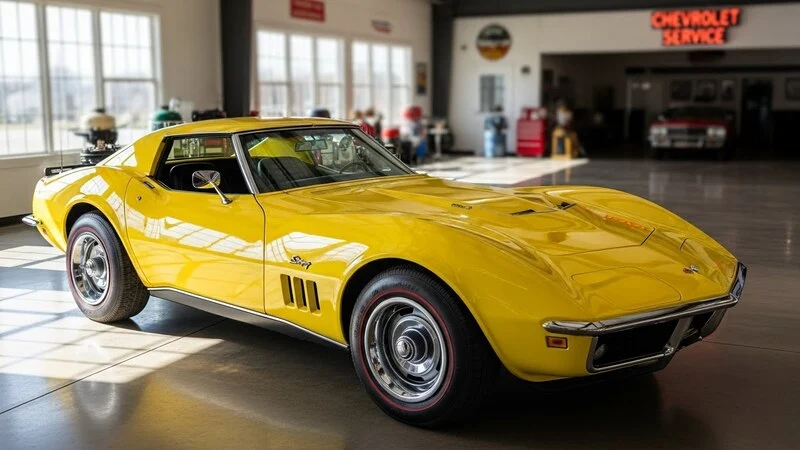
The Corvette L88 is one of those cars that almost feels like it slipped out of the race shop by accident. On the surface, it looked like a normal late-1960s Corvette. Under the skin, it was a barely tamed track weapon.
Why Enthusiasts Respect It
The L88 package revolved around a brutal big-block V8. Official power numbers were quoted conservatively, but everyone knew the real figure was much higher. Chevrolet even discouraged regular buyers by limiting comfort options, because the car was never meant to be a casual cruiser.
What Makes It Special Now
Because many L88s went straight into competition, surviving cars are rare and highly prized. For hardcore fans, this Corvette is the perfect crossover of American muscle and sports car engineering: long hood, big power, and serious hardware built for racing first and everything else second.
7. Plymouth Road Runner Superbird
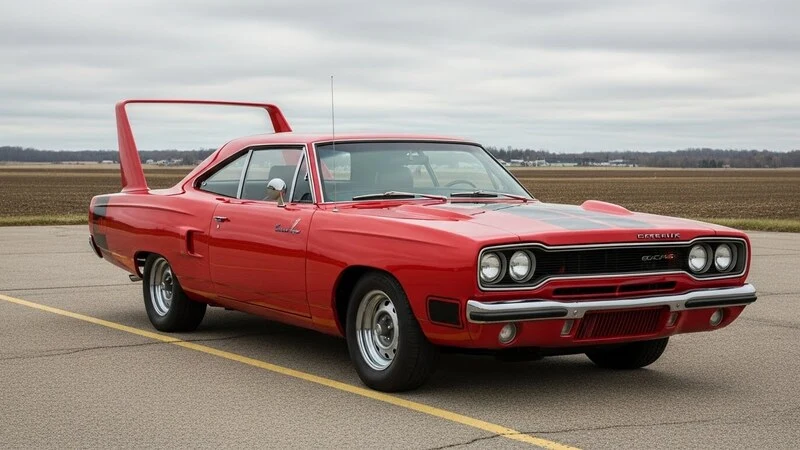
The Plymouth Road Runner Superbird is one of the wildest-looking American muscle cars ever built. Based on the simple, tough Road Runner, it added a huge rear wing and an extended aerodynamic nose so Plymouth could dominate NASCAR in the early 1970s.
Why It Stands Out
On the street, the Superbird looked like a cartoon racer dropped into real life. But the aero wasn’t a gimmick. At high speeds, that nose and wing helped keep the car stable on long oval tracks. Underneath, it still offered serious V8 power, so it could back up the looks with real performance.
Why It’s So Iconic Today
The Superbird’s limited production, race history, and outrageous styling turned it into an instant collectible. At any show, it draws a crowd the moment it arrives. It represents the wildest side of the muscle car era—when manufacturers were willing to build something extreme just to win and to get people talking.
8. Ford Fairlane Thunderbolt
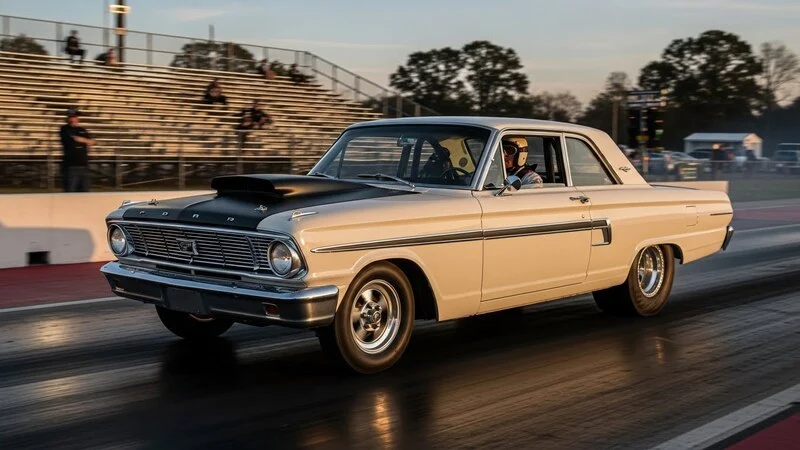
The Ford Fairlane Thunderbolt is what happens when a car company builds a drag car first and worries about everything else later. Based on the Fairlane body, Ford packed in a massive big-block V8, lightweight panels, and just enough equipment to keep it barely street legal. Comfort wasn’t the goal. Winning was.
Factory-Built Drag Weapon
The Thunderbolt was created to dominate the quarter-mile. It came with a huge intake, serious gearing, and a stripped-down interior that made it clear this wasn’t a family cruiser. On the strip, it was brutally quick for its time, and it gave Ford a huge advantage in factory-backed drag racing.
Why It Still Matters
Today, the Thunderbolt is one of the purest expressions of the muscle car mindset: take a regular body, stuff in insane power, remove the fluff, and head for the drag strip. Survivors are rare and highly respected.
9. Dodge Challenger Hellcat
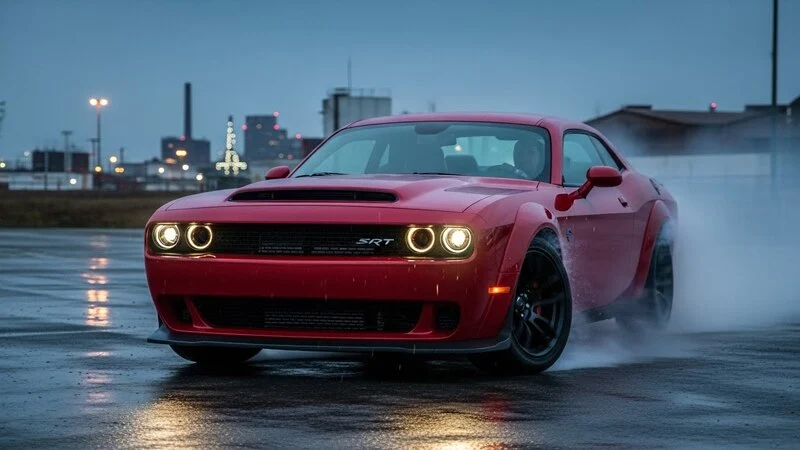
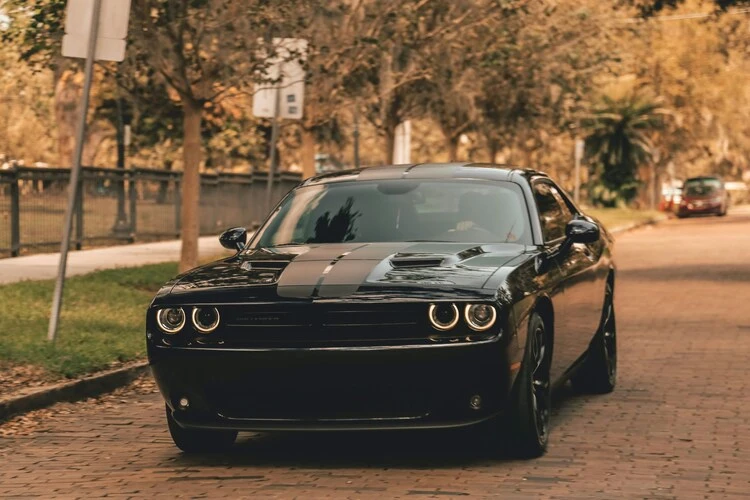
The Dodge Challenger Hellcat proves that old-school muscle spirit can survive in the modern age. It’s big, bold, and unapologetically overpowered, with supercharged V8 versions easily pushing past 700 horsepower from the factory.
Modern Muscle Turned Up to 11
The Hellcat isn’t trying to be light or subtle. It’s a huge coupe that rumbles at idle and explodes forward when you touch the throttle. Yet it also has modern comforts: touchscreen, safety tech, and the ability to sit in traffic without overheating or stalling—things classic muscle owners used to dream about.
Everyday Life With That Much Power
Living with a Hellcat means respecting the car. Wet roads, cold tires, and heavy throttle can get messy fast. Many owners treat it as a special-occasion car, using something calmer for daily driving and saving the supercharged madness for weekends.
10. Plymouth Hemi ’Cuda
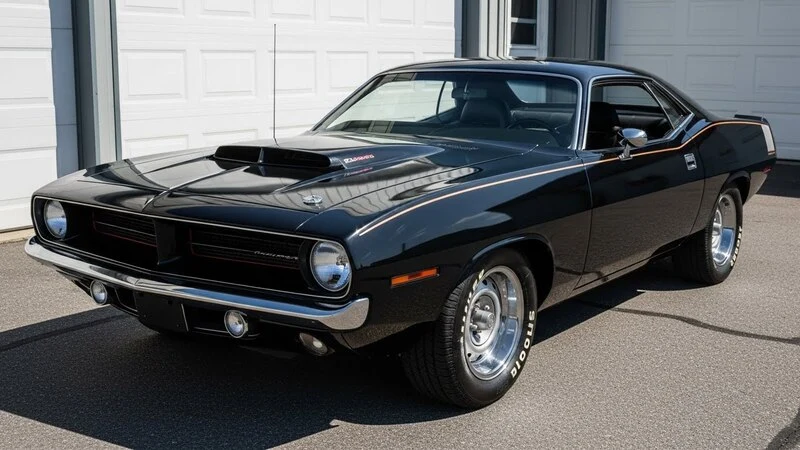
The Plymouth Hemi ’Cuda sits at the top of the classic muscle food chain. Take the compact Barracuda body, add the legendary 426 Hemi under the hood, and you get one of the most intimidating street cars of its era.
Why Collectors Obsess Over It
The Hemi engine, the aggressive stance, and the bold color options made the Hemi ’Cuda unforgettable when it was new. Limited production and high original cost meant not many were built, and even fewer survived in clean condition.
Rarity, Style and Value
Today, a genuine Hemi ’Cuda is a star at any auction. It represents peak classic muscle: huge power, wild personality, and a look that still stops people in their tracks. For many fans, if you had to pick just one car to represent American muscle, this would be it.
Owning or Chasing an American Muscle Car Today
Falling in love with muscle cars is easy. Living with one is where reality kicks in. Classic models need space, time, and money for maintenance. Modern muscle is easier to own, but still thirsty and tempting to drive hard.
Classics vs Modern Muscle in Real Life
Some people keep a classic in the garage as a weekend toy and drive something newer and calmer during the week. A practical sedan or family car—something like a future-ready 2026 Honda Accord with its tech, safety, and efficiency—can handle commuting and long trips while the muscle car waits for sunny days and late-night cruises. If you’re curious how that kind of daily driver is evolving, previews like the 2026 Honda Accord facelift show where mainstream cars are headed.
Budget, Payments and Planning
Whether you’re hunting a Hemi ’Cuda project or thinking about a used Challenger Hellcat, the numbers matter. Purchase price, insurance, fuel, parts, and storage can add up fast. Some drivers balance things out by structuring their garage and finances carefully—maybe a leased daily plus a long-term project car. Resources that break down options like car leases under $200 a month with no money down can help you see what’s realistic.
In the end, American muscle cars are about emotion first. The sound, the shake, the way people look when you roll past—those things are hard to put a price on. That’s why, decades later, these ten cars still sit at the heart of the muscle car story.
FAQs
American muscle cars raise a lot of the same questions, especially if you’re thinking about owning one. Here are quick, clear answers.
A muscle car is usually an American-built coupe or sedan with a large V8 engine, rear-wheel drive, and a focus on straight-line speed. Think big torque, bold styling, and a car that feels happiest going hard in a straight line.
Classics (like late-60s and early-70s icons) win on sound, style, and pure character. Modern cars like recent Mustangs, Camaros and Challengers are quicker, safer, and easier to drive every day. The “better” choice depends on whether you want nostalgia or usability.
Well-known blue-chip picks include Hemi ’Cudas, early Z/28 and ZL1 Camaros, big-block Chevelle SS models, and rare drag specials like the Fairlane Thunderbolt. Rarity, originality, and condition matter most.
Modern muscle can be, yes. Classic muscle usually works better as a weekend or hobby car because of fuel use, comfort, and maintenance needs.