

Signs Your Car Needs an Oil Change Now
Engine oil is the lifeblood of your vehicle. It lubricates moving parts, reduces friction, controls engine temperature, and prevents harmful buildup inside the engine. Failing to maintain oil can quickly turn a minor service delay into a costly repair.
Knowing the signs your car needs an oil change and scheduling a timely oil change Houston TX helps you act before serious engine damage occurs.
Many drivers wait for dashboard warnings, but by the time those appear, oil degradation may already be affecting performance. Understanding common car needs oil change symptoms ensures you know exactly when to change engine oil and avoid unnecessary engine stress.
Dark, Dirty, or Thick Engine Oil
One of the clearest signs your car needs an oil change is the condition of the oil itself. Fresh oil is amber and smooth. Over time, oil collects dirt, metal particles, and combustion residue, turning it dark and gritty. Thick, sludgy oil cannot lubricate engine components properly, increasing friction and wear.
Checking the dipstick regularly helps you spot signs of low engine oil quality before damage begins, and if needed, visiting an auto repair shop near me ensures your oil is changed promptly by professionals.
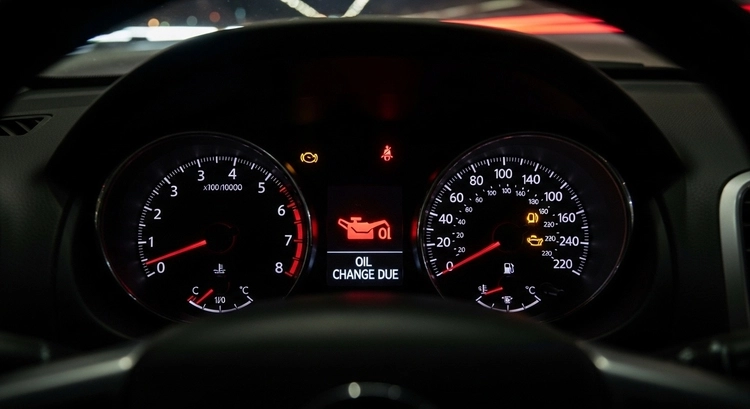
Oil Change Light
Dashboard oil lights should never be ignored. These warnings indicate low oil pressure, low oil levels, or oil that has lost its ability to flow correctly. This is one of the most urgent car needs oil change symptoms, and getting your vehicle checked promptly at Eric’s Car Care can prevent rapid engine wear or failure if driving continues.
Engine Check Light On
The engine check light often signals that your oil level is low or that the oil quality has degraded. Oil forms a protective barrier between moving engine components, reducing friction, heat, and wear. When this barrier fails, metal parts begin rubbing together, creating knocking, ticking, or grinding noises. These are clear signs of low engine oil.
Ignoring this warning can accelerate engine wear and reduce performance. If your engine suddenly sounds louder or rougher than usual, it’s a strong indicator of when to change the engine oil immediately. Recognizing this, among other car needs oil change is one of the most common symptoms that ensures timely maintenance and helps avoid costly repairs.
Exhaust Smoke
A burning oil smell inside or outside the vehicle often means oil is leaking or overheating. In severe cases, old oil may burn off inside the engine, producing bluish exhaust smoke. These signs that your car needs an oil change indicate that oil is no longer protecting the engine properly and may already be breaking down under heat.
Low Fuel Efficiency
Old or contaminated oil increases internal friction, forcing the engine to work harder. This results in sluggish acceleration, reduced responsiveness, and lower fuel efficiency. Many drivers notice performance drops before realizing they’re experiencing car needs an oil change symptoms.
Regular oil changes help maintain smooth engine operation and optimal fuel economy.
Engine Overheating
Oil plays a major role in regulating engine temperature. When oil becomes too dirty or thick, it cannot dissipate heat effectively. This can cause the engine to run hotter than normal, increasing the risk of warped components and long-term damage.
Overheating is a serious sign related to when to change engine oil, especially in hot climates or stop-and-go driving conditions.
Oil Change Intervals
Even if no obvious symptoms are present, oil changes are still required based on mileage or time. Modern synthetic oils last longer, but they still degrade. Most vehicles require oil changes every 5,000–7,500 miles, while some extend up to 10,000 miles depending on oil type and driving habits.
Following manufacturer recommendations prevents hidden signs of low engine oil performance from developing unnoticed.
Risks of Delaying Oil Changes
Ignoring timely oil changes can accelerate engine wear, reduce fuel efficiency, and cause overheating. Sludge and deposits may block oil passages, leading to poor lubrication and even engine seizure. What seems like a small delay can result in costly repairs, reduced performance, and shorter engine lifespan.
Key Takeaways
- Signs your car needs an oil change often appear before dashboard warnings
- The car needs an oil change. Symptoms include dirty oil, engine noise, and poor performance
- Knowing when to change engine oil prevents overheating and internal engine damage
- Signs of low engine oil should always be addressed immediately
- Regular oil changes save money by preventing major engine repairs