Chevy Trax Years to Avoid: A Complete Guide to Reliability & Common Problems
When the Chevy Trax hit the U.S. market, it promised to be the perfect urban companion. It was small, fuel-efficient, and easy to park—everything a city driver could want. But for many owners, that promise quickly turned into a headache of repair bills and unexpected breakdowns. If you are shopping for a used subcompact SUV, knowing which model years to skip is just as important as knowing which ones to buy.
This guide cuts through the noise to identify the specific Chevy Trax years to avoid. We analyze the engineering faults, from blown turbochargers to electrical gremlins, so you can make a smart investment rather than buying someone else’s problem.
Quick Overview: The Chevy Trax at a Glance
The Chevrolet Trax is built on the Gamma II platform, sharing much of its DNA with the Buick Encore and Chevy Sonic. While it offers excellent utility for its size, reliability has been inconsistent across its production run. The first generation (2015–2022) had significant growing pains, while the newer models have largely rectified these early issues.
For buyers who find the Trax a bit too compact for their needs, you might be looking at its larger sibling. However, that model has its own set of production pitfalls, so be sure to check our guide on Chevy Equinox years to avoid before making a final decision.
If you are committed to the subcompact class, use the chart below to navigate the market safely.
| Chevy Trax Status | Model Years | Key Reasons |
| Avoid (High Risk) | 2015, 2016, 2017 | Turbo failures, A/C compressor seizure, electrical issues. |
| Caution (Moderate) | 2018 | Improved, but some lingering suspension and electrical glitches. |
| Safe Buy (Reliable) | 2019, 2020, 2021+ | Mature platform, fewer recalls, resolved engine faults. |
Chevy Trax Years to Avoid (The “Do Not Buy” List)
Not all Trax models are created equal. The earliest versions of this crossover suffer from what mechanics call “first-model-year syndrome,” where design flaws are discovered by the customers rather than the engineers. Based on NHTSA complaints and repair data, you should steer clear of the following years.
2015 Chevy Trax: The Debut Disaster
The 2015 model is widely considered the worst year for the Chevy Trax. As the debut model in North America, it arrived with severe powertrain issues that were not yet ironed out. The most alarming problem reported by owners is “rollback.” When stopped on an incline, the transmission often fails to hold the vehicle, causing it to roll backward even when in Drive.
Beyond the transmission, the 1.4L turbocharged engine in the 2015 model is notorious for underperformance. Drivers frequently report severe turbo lag and a lack of power when merging onto highways, which can create dangerous driving situations.
2016 Chevy Trax: A/C and Electrical Gremlins
While the powertrain saw slight adjustments, the 2016 model year introduced a new plague: electrical and climate control failures. The air conditioning compressor in this year is prone to seizing. When this happens, it isn’t just about losing cold air; a seized compressor can snap the serpentine belt, leaving you stranded on the side of the road.
Electrical stability also took a hit this year. Owners have reported infotainment blackouts where the radio and backup camera fail to boot. This type of systemic electrical weakness is not unique to the Trax; we see similar wiring frustrations when analyzing Chevy Impala years to avoid, suggesting a broader supplier issue during this era of GM production.
2017 Chevy Trax: Lingering Drivability Issues
Chevrolet gave the Trax a facelift in 2017, updating the interior and front fascia. However, cosmetic upgrades can’t fix mechanical flaws. The 2017 model still suffers from rough idling and random stalling.
This is often caused by carbon buildup on the intake valves—a common side effect of direct-injection engines that are driven gently in city traffic. Furthermore, the “Check Engine” light is a frequent visitor in this model year, often triggered by sensitive sensors that ghost-read errors, leading to expensive and often fruitless diagnostic visits.
Common Chevy Trax Problems & Mechanical Faults
To understand the reliability of the Trax, you have to look past the model year and into the specific parts that break. The Trax has a few distinct weak points that every buyer should inspect.
Turbocharger Failures (P0299 Underboost)
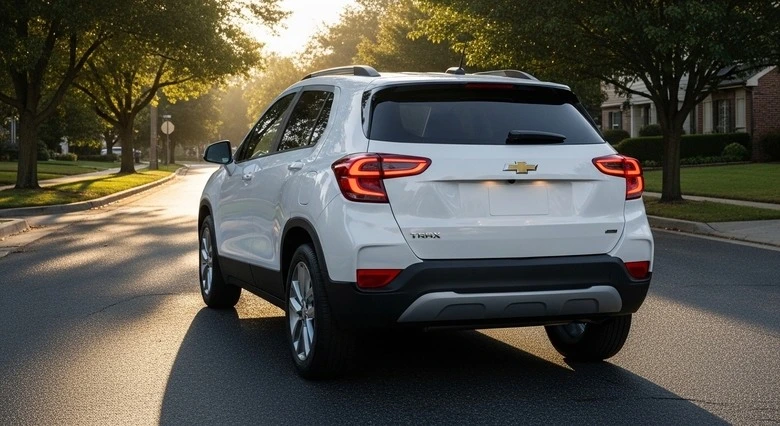
The heart of the Trax is its 1.4L Ecotec engine, and the turbocharger is its Achilles’ heel. On models from 2015 to 2017, the turbo operates under extreme thermal stress. The oil feed lines that lubricate the turbo are prone to “coking,” where the oil turns into sludge due to heat. This starves the turbo bearing of oil, causing it to seize or shatter.
When this happens, you will likely see a P0299 code for “Turbo Underboost.” You will feel a massive loss of power, as if the engine is struggling to breathe. Replacing a turbo is a labor-intensive job that can easily cost over $1,500, turning a bargain used car into a financial burden overnight.
Transmission Hesitation and Rollback
The 6-speed automatic transmission in early Trax models often feels confused. Drivers report a “shudder” or hesitation when shifting between second and third gear. This is sometimes a software calibration issue, but in higher-mileage units, it can indicate premature wear of the torque converter or the wave plate. If you test drive a Trax and it feels jerky, walk away.
Electrical System & Infotainment Glitches
Beyond the mechanical components, the Chevy Trax has its share of digital frustrations. Owners of 2015–2017 models frequently report that the infotainment screen freezes, goes black, or reboots randomly while driving. This isn’t just an annoyance; it means losing your navigation and backup camera when you need them most.
Battery drain is another common electrical phantom. Some drivers return to their parked Trax only to find a dead battery, caused by modules that fail to “sleep” properly after the engine is turned off. Tracking down these parasitic drains can be a costly diagnostic nightmare.
HVAC and Climate Control Failures
For those living in warmer climates, the air conditioning system in the 2016 Trax is a known weak point. The evaporator core inside the dashboard can develop small leaks, leading to a loss of refrigerant and the dreaded “warm air only” syndrome. Replacing an evaporator core often requires removing the entire dashboard, a labor-intensive job that drives up the repair bill significantly.
Front Suspension & Control Arm Recalls
Perhaps the most serious safety concern involves the front lower control arms on early models. A recall was issued because the welds on these suspension components could fail, potentially allowing the control arm to separate from the vehicle. This results in a sudden loss of steering control. Before buying any used Trax, check the VIN to ensure this critical safety recall has been performed.
Best Chevy Trax Years to Buy (The Safe Alternatives)
If you love the size and utility of the Trax but want to avoid the headaches, there is good news. General Motors made significant improvements midway through the first generation.
2018–2020: The Reliability Turning Point
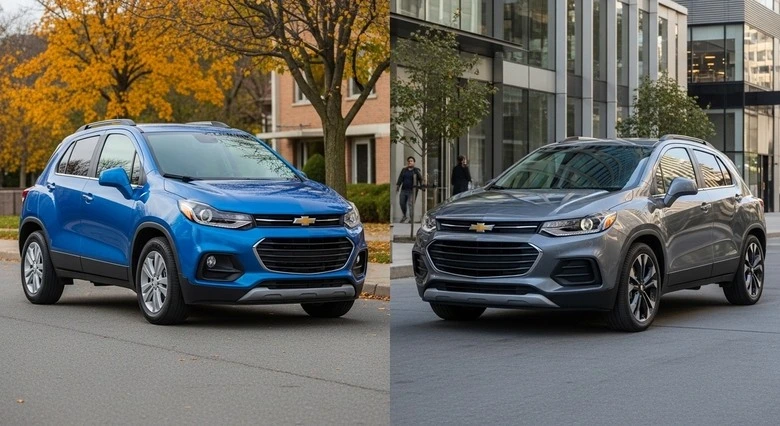
By 2018, Chevrolet engineers had addressed the most glaring turbocharger and suspension issues. The 2019 and 2020 models, in particular, benefit from updated engine tuning and more robust electrical components. These years offer the same practical layout as the older models but with much higher reliability scores.
2021–2022: Peak First-Gen Reliability
The final years of the first generation are arguably the best value on the used market. These models include the “Driver Confidence” packages and updated safety tech, with very few reported mechanical failures. They represent a mature platform where the bugs have been worked out.
2024+ Redesign: The New Era
The all-new 2024 Trax is larger, stylish, and powered by a new 1.2L engine. While it looks promising, it is often wise to wait a year or two for long-term reliability data to accumulate before diving into a brand-new design.
Chevy Trax vs. The Competition
When shopping for a subcompact SUV, context is key. The Trax competes with the Honda HR-V and Mazda CX-30, both of which generally offer smoother rides but at a higher price point.
Chevrolet has a long lineage of small, utilitarian vehicles. While the Trax is designed for the modern urban jungle, it follows in the footsteps of compact utility vehicles that came before it. For a look at how Chevy’s engineering in the compact segment has evolved—and where it has stumbled in the past—reviewing the Chevy S10 years to avoid provides excellent context on the brand’s history with small, hardworking machines.
Practical Buying Guide: How to Inspect a Used Trax
Don’t just kick the tires. Use this checklist to spot a lemon before you sign the paperwork.
Critical Test Drive Checks
- Turbo Test: Accelerate hard onto a highway ramp. If the engine hesitates or feels sluggish, the turbo or wastegate may be failing.
- A/C Stress Test: Turn the air conditioning to “Max Cool.” It should blow ice-cold air within 10 seconds. If it takes longer, the compressor or refrigerant levels are suspect.
- Transmission Feel: Stop on a slight incline and let off the brake. If the car rolls backward significantly before the transmission catches, walk away.
Interpreting Service Records and VIN Checks
Always ask for maintenance records. The 1.4L turbo engine is very sensitive to oil quality. If the previous owner skipped oil changes, the turbo bearings are likely already damaged. Also, run the VIN to confirm that the Takata airbag and suspension weld recalls have been completed.
Estimated Repair Costs and Ownership Risks
Owning a car out of warranty means budgeting for repairs. Here is what you might face with a problematic Trax:
- Turbocharger Replacement: $1,500 – $2,500
- A/C Compressor Repair: $800 – $1,200
- Timing Chain/Cover Leaks: $600 – $1,000
While routine maintenance like brakes and tires is affordable, a single turbo failure can erase the savings you got from buying a cheaper, older model year.
FAQs
The 2020 and 2021 models are widely considered the best used options, offering a balance of modern tech and proven reliability.
Early models (2015–2017) have a high volume of complaints regarding the engine, transmission, and A/C. Later models are average to above-average in reliability.
With strict adherence to maintenance schedules, a Chevy Trax can last over 150,000 miles. However, neglected turbo engines often fail before 100,000 miles.
No. The 2015 model has the highest rate of severe mechanical failures and should generally be avoided.
Final Verdict
The Chevy Trax is a capable city car, but only if you choose the right year. Avoid the 2015–2017 models to steer clear of costly turbo and electrical repairs. Instead, aim for a 2019 or newer model, where Chevy resolved the growing pains and delivered the solid, reliable crossover they intended to build. By following this guide, you can find a Trax that serves you well for miles to come.