Lexus ES 330 Years to Avoid: Reliability, Common Problems, and Best Alternatives
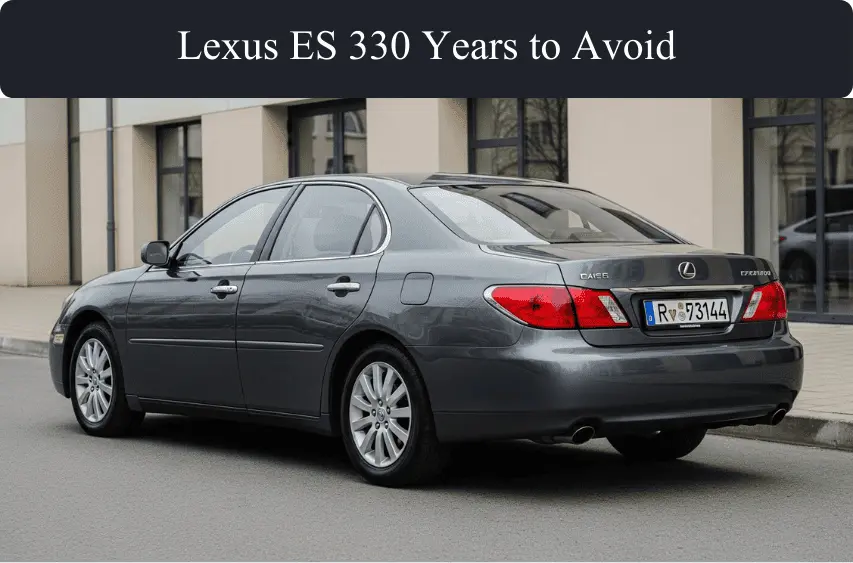
You rarely hear “Lexus” and “unreliable” in the same sentence. For decades, the brand has built its reputation on bulletproof engineering and quiet luxury. The Lexus ES 330, specifically the models produced between 2004 and 2006, often represents a sweet spot for used car buyers. It offers a plush V6 engine, a silent cabin, and a premium badge for a fraction of the price of a new sedan.
However, even the best manufacturers have off years. Reliability data from the NHTSA (National Highway Traffic Safety Administration) and owner forums highlights that specific production runs of the ES 330 suffer from distinct mechanical flaws. If you want to keep your ownership experience stress-free, you need to know which model years belong on your driveway and which ones belong in the scrapyard.
Insight into the Lexus ES 330 and Its Dependability
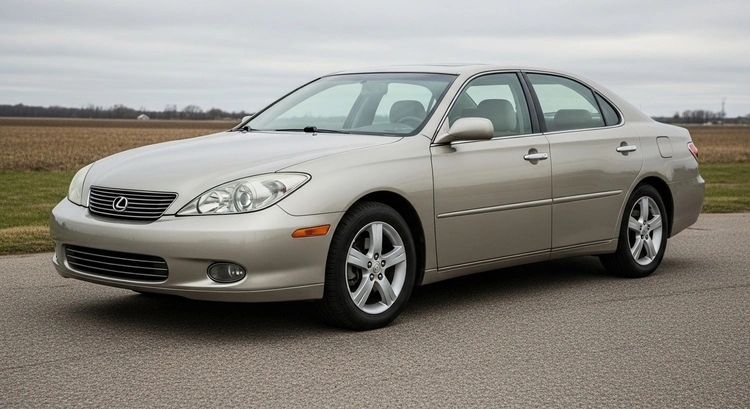
Lexus introduced the ES 330 as a mid-cycle refresh of the fourth-generation ES series (XV30). Manufactured from 2004 to 2006, this sedan replaced the smaller ES 300. It brought a larger, more powerful 3.3-liter V6 engine (the 3MZ-FE) and an upgraded 5-speed automatic transmission.
The goal was simple: provide a smoother, faster, and more luxurious experience. For the most part, Lexus succeeded. The ES 330 is famous for its “library-quiet” interior and suspension that floats over potholes. But this transition era also introduced new technologies and drivetrains that weren’t quite perfected yet. While these cars share a platform with the Toyota Camry and Avalon, the added complexity of the Lexus luxury features sometimes created unique headaches for owners.
Quick Verdict: Which Lexus ES 330 Years Should You Avoid?
If you are scanning classified ads right now, here is the cheat sheet. Not all ES 330s are created equal.
- Years to Avoid: 2004 and 2005. These years struggle with significant transmission hesitation and safety concerns regarding acceleration. The 2005 model alone has been the subject of specific NHTSA investigations regarding vehicle speed control.
- Best Model Year: 2006. This is the safest bet for this generation. By 2006, Lexus had addressed many of the software glitches and teething issues found in the earlier models, though you still need to watch for cosmetic defects.
If you are looking at the broader Toyota family for a reliable sedan, it is often smart to cross-reference these issues with platform-mates. For instance, knowing the Toyota Avalon years to avoid can save you from buying a different car with the exact same mechanical gremlins, as both vehicles share the same chassis architecture.
Detailed Breakdown of Problematic Years
To make the right choice, you need to understand why these specific years have a bad reputation. The problems generally aren’t catastrophic engine explosions, but rather frustrating drivability issues that ruin the luxury experience.
1. 2004 Lexus ES 330: The Transmission Trouble Debut
The 2004 model year is widely considered the worst year for the ES 330 due to a frustrating disconnect between the driver and the car. The primary culprit is the 5-speed automatic transmission (U151E).
Drivers frequently report a nerve-wracking “hesitation” or lag when they step on the gas. Imagine trying to merge onto a busy highway, pressing the pedal, and waiting a full second for the car to respond. NHTSA records show dozens of complaints specifically mentioning this hesitation, describing it as a safety hazard during lane changes.
This issue often stems from the transmission control module (TCM) software. The computer struggles to decide which gear to select, leading to erratic shifting and lurching. While Lexus issued Technical Service Bulletins (TSBs) to re-flash the software, many owners report that the transmission simply feels confused and sluggish compared to other luxury cars.
2. 2005 Lexus ES 330: Safety and Electrical Concerns
The 2005 model carried over some of the transmission awkwardness but added a new, more frightening concern: sudden unintended acceleration.
This model year was swept up in the broader investigations into Toyota and Lexus vehicles where cars would accelerate without driver input. NHTSA Campaign ID 06V253000 highlights issues where floor carpet covers could interfere with the accelerator pedal, increasing the risk of a crash. Driving a luxury car should feel secure, not unpredictable.
Additionally, 2005 owners report an uptick in minor electrical gremlins compared to the 2006 model. Issues range from finicky power windows to tire “cupping” caused by suspension geometry quirks, which leads to excessive road noise—the exact opposite of what you buy a Lexus for.
The video below provides a clear breakdown of the 3MZ-FE engine’s interference status, helping you understand why timing belt maintenance is absolutely critical for these vehicles.
3. 2006 Lexus ES 330: The “Melting Dashboard” Era
While the 2006 model is mechanically superior to its predecessors, it introduced a bizarre cosmetic defect that drives owners crazy. This was the peak era for the infamous “melting dashboard” problem that plagued many Toyota and Lexus vehicles.
Owners in hotter climates noticed that their dashboards would become sticky to the touch over time. Eventually, the material degrades into a shiny, reflective surface. This isn’t just an eyesore; it creates a dangerous glare on the windshield when driving in direct sunlight. While Lexus did offer warranty extensions for this in the past, most of these programs have expired. If you are buying a 2006 ES 330 today, check the dash carefully. A replacement can cost upwards of $1,500, which might exceed the value of the car itself.
Most Common Lexus ES 330 Problems by Category
To really understand if this car is worth your money, you need to look beyond the model year and inspect the specific systems that fail. Here is what typically goes wrong under the hood.
Transmission & Drivetrain
The transmission remains the Achilles’ heel of this generation. The 5-speed automatic (U151E) often suffers from hesitation at low speeds and rough shifting between gears. This “gear hunting” sensation makes the car feel uncertain, especially during city driving.
If the transmission fails completely, you are looking at a repair bill between $3,000 and $5,000. For a car that is nearly two decades old, a transmission rebuild often totals the vehicle. Always test drive the car cold; if it lurches when shifting into drive, walk away.
Engine & Sensors
The 3.3L V6 engine (3MZ-FE) is generally robust, but it is sensitive to dirty sensors. A common issue is a Dirty Mass Airflow (MAF) Sensor. When this sensor gets coated in grime, it sends incorrect data to the engine computer, causing a lean fuel mixture.
You might see check engine light codes like P0171 or P0174. Fortunately, this is often a cheap fix—sometimes just a $10 can of cleaner spray—but if ignored, it can lead to poor performance and reduced fuel economy. Early 2004 models also saw some complaints regarding oil consumption, though nowhere near as severe as other brands.
Suspension & Brakes
Lexus tuned the ES 330 for comfort, not speed. However, that soft ride comes at a cost. Owners frequently report warped brake rotors. This manifests as a shaking steering wheel when you apply the brakes at highway speeds.
Additionally, the suspension components, specifically the struts and bushings, tend to wear out prematurely. If you hear clunking noises going over speed bumps, the suspension is likely tired. While not a catastrophic failure, refreshing the suspension to restore that “Lexus ride” can be pricey.
Comparing the ES 330 to Alternatives
If the potential transmission lag or sticky dashboard scares you, there are better options within the same family tree.
Internal Brand Competition
The smartest move for many buyers is to skip the ES 330 entirely and look for a Lexus ES 350 (2007–2012). This next-generation model swapped the old 3.3L engine for a powerful 3.5L V6 and, crucially, a 6-speed automatic transmission. This upgrade solved the hesitation issues and offered significantly better acceleration.
Other Family Options
You might be considering a Toyota product if you want similar reliability without the luxury markup. However, sticking to the same manufacturer means you might encounter similar platform quirks.
If your search for a reliable daily driver leads you toward a crossover instead of a sedan, be careful. Just as the ES 330 has specific bad years, other popular models have their own pitfalls. For example, knowing the Toyota Venza years to avoid is essential, as these vehicles often share electronic architectures and V6 engine variants with their Lexus cousins. A little research ensures you don’t trade a sedan with transmission lag for a crossover with steering rattles.
Modern Luxury vs. Used Reliability
Buying a 20-year-old luxury car is always a gamble. You get the badge and the comfort, but you also inherit two decades of wear and tear. The Lexus ES 330 offers a fantastic ride for the price, but it lacks the safety tech, backup cameras, and sharp handling of modern vehicles.
If your budget allows for a newer entry-level luxury sedan, the difference is night and day. Today’s market offers cars that blend reliability with cutting-edge performance in ways the old ES series never could. For example, the 2026 Genesis G70 showcases just how far the segment has come, offering turbocharged power and advanced driver assists that make the ES 330 feel like a relic. However, for a cash buyer needing a dependable A-to-B car, a well-sorted Lexus is still hard to beat.
Buying Guide: How to Buy a Used ES 330 Safely
If you have your heart set on this model, follow this checklist to ensure you don’t buy a money pit.
Inspection Checklist
- The Cold Start Test: Always test drive the car when the engine is cold. Transmission hesitation is most obvious in the first 10 minutes of driving. If it lurches or refuses to shift smoothly, walk away.
- Dashboard Check: Run your hand over the dashboard. If it feels sticky or leaves a black residue on your fingers, you are looking at a melting dashboard. Factor in the $1,000+ replacement cost if you want to fix the glare.
- Timing Belt History: This is the most critical maintenance item for the 3.3L V6 engine. Unlike modern engines with timing chains, this belt must be replaced every 90,000 miles. If it snaps while driving, it can cause catastrophic engine damage. Ask for documented proof of replacement; if the seller can’t provide it, assume you need to pay $800–$1,200 for the service immediately.
Conclusion
The Lexus ES 330 remains a solid choice for budget-conscious luxury seekers, but you must navigate the model years carefully. Avoid the 2004 and 2005 models due to their frustrating transmission lag and potential accelerator issues.
If you must buy from this generation, the 2006 model is your safest bet. It offers the most refined experience with fewer transmission complaints. However, for just a little more money, the 2007+ Lexus ES 350 offers a vastly superior powertrain that solves almost every complaint owners had with the 330.
FAQs
You should avoid the 2004 and 2005 model years. These vehicles have the highest volume of complaints regarding transmission hesitation and unintended acceleration.
The most reported issue is transmission hesitation. Drivers often experience a frightening lag when pressing the gas pedal, followed by a jerky shift as the car finally accelerates.
Lexus issued “Technical Service Bulletins” (TSBs) to update the transmission software, but there was never a full safety recall for the hesitation issue itself. However, the 2005-2010 models were involved in massive recalls for floor mat entrapment and accelerator pedals.
Maintenance costs are only slightly higher than those of a Camry. Since they share many mechanical parts, you can often use Toyota parts for repairs. However, Lexus-specific components like the suspension and interior trim will cost a premium.