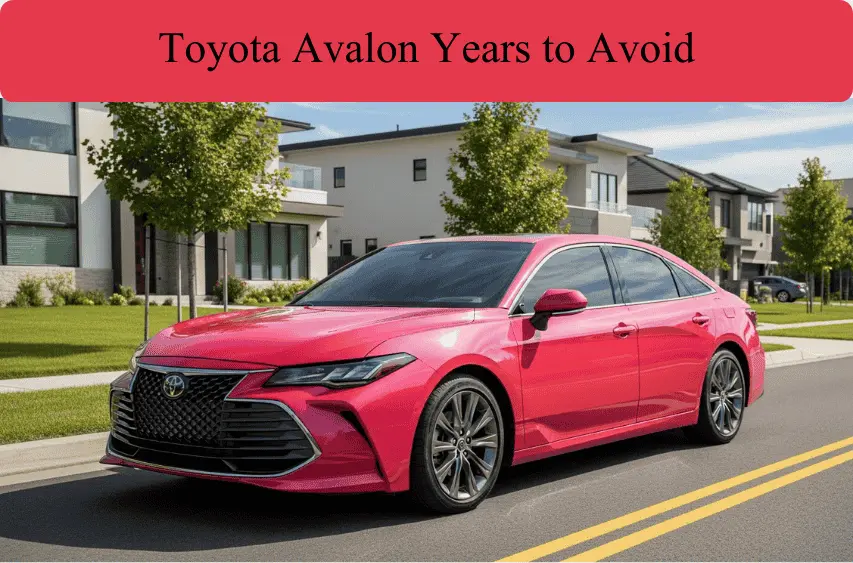
Toyota Avalon Years to Avoid, Best Years, and Reliability Guide
The Toyota Avalon has arguably been the best-kept secret in the full-size sedan market for decades. It bridges the gap between the bulletproof reliability of a Camry and the quiet luxury of a Lexus ES. For many, it is the gold standard of comfort. However, even a manufacturer as legendary as Toyota has slipped up occasionally.
If you are in the market for a used Avalon, you need to know that not every model year lives up to that sterling reputation. A few specific years are prone to expensive engine leaks, steering failures, and electrical headaches that can turn a bargain buy into a money pit. This guide breaks down exactly which Avalon years to avoid and which ones will easily run for 300,000 miles.
Quick Answer: Toyota Avalon Years to Avoid & Buy At a Glance
If you are standing on a dealership lot right now and just need the raw data, here is your cheat sheet. While most Avalons are dependable, the mid-2000s were a rough patch for this flagship sedan.
| Category | Model Years | Key Reasons |
| Best Years | 2015–2018, 2019–2022 | Modern tech, refined suspension, bulletproof reliability. |
| Caution Years | 2000–2004, 2012 | Age-related sludge risks (early models) or minor electrical quirks. |
| Years to Avoid | 2005–2008, 2011, 2013–2014 | VVT-i oil leaks, steering clunks, stiff ride, and interior odors. |
The data is clear: to get the most reliable experience, you generally want to look for models produced after 2015. However, if you are looking at older models, knowing the specific defects of the “Avoid” years is critical for your wallet.
The Worst Toyota Avalon Years: A Detailed Breakdown
We have analyzed owner complaints from the NHTSA, repair data from CarComplaints, and technical service bulletins to isolate the years that pose the biggest financial risk. We categorized these by generation so you can see where the manufacturing defects occurred.
2005–2008 (The Third Generation Slump)
The third-generation Avalon launched with a sleek new look and a powerful 3.5L V6 engine (the 2GR-FE). While this engine is a beast, the early versions installed in the 2005, 2006, 2007, and 2008 models had a severe Achilles heel.
The primary issue here involves the Variable Valve Timing (VVT-i) oil line. Toyota used a rubber hose for this high-pressure line, and over time, it is prone to bursting. When it fails, the engine dumps massive amounts of oil in seconds. If you are driving on the highway when this happens, catastrophic engine seizure can occur before you even notice the warning light.
Beyond the engine, these years are notorious for steering column failures. Owners often report a “clunk” or “pop” sensation in the steering wheel while turning, caused by a defective intermediate shaft.
There is also a cosmetic defect that frustrates many owners: the “melting” dashboard. In hot climates, the dashboard material degrades, becoming sticky and shiny, often creating a blinding glare on the windshield. While Toyota offered warranty enhancements for this, many used models on the market today may still have the original, defective dash.
It is worth noting that platform-sharing was common in this era. Similar mid-size reliability struggles were seen across the lineup; you can see how this compares to the crossover segment in our analysis of Toyota Venza years to avoid, which faced its own set of unique mechanical gremlins during its debut years.
2011 (The Facelift Glitches)
Toyota refreshed the Avalon for 2011, but this specific model year saw a strange spike in reliability complaints compared to the 2010 or 2012 models. The most concerning reports involve random engine stalling and electrical glitches.
Owners have reported the vehicle shutting off while driving at low speeds or hesitating severely during acceleration. This year also suffers from a higher rate of brake actuator issues, leading to a “spongy” pedal feel that can be unsettling for drivers. Because the 2012 model fixed many of these bugs, we generally recommend skipping the 2011 model entirely.
2013–2014 (Early Fourth Generation Issues)
When the fourth generation launched in 2013, Toyota attempted to make the Avalon sportier to attract younger buyers. Unfortunately, they overcorrected. The suspension on the 2013 and 2014 models is uncharacteristically stiff, resulting in a ride quality that many loyal Avalon owners found jarring and uncomfortable.
Beyond the ride, these years suffered from poor interior quality control. A well-documented issue involves a chemical smell coming from the headliner adhesive, which can be nauseating in hot weather. Additionally, owners frequently report sunroof rattles and water leaks due to poor sealing. While the drivetrain is generally solid, the comfort—the main reason you buy an Avalon—was compromised in these two years.
2001–2004 (The Sludge & Steering Era)
The second-generation Avalon is a spacious, comfortable cruiser, but it comes from an era where Toyota struggled with engine oil sludge. The 3.0L 1MZ-FE V6 engine is prone to sludge buildup if oil changes were not performed religiously every 3,000 to 5,000 miles.
Sludge restricts oil flow, leading to overheating and premature engine failure. If you are inspecting a car from this era, you must check under the oil filler cap for signs of baked-on gunk. Additionally, these years had a recall for a steering lock bar that could break and lock the steering wheel unexpectedly.
Interestingly, this sludge issue wasn’t unique to the Avalon. If you are looking for other affordable, older Toyotas for your family but want to steer clear of these specific engine risks, check our guide on Toyota Highlander years to avoid. That SUV shared similar V6 engine architecture during this era, and knowing those risks can help you make a safer choice.
Common Toyota Avalon Problems by System
To give you a better idea of what to look for during a test drive, let’s break down the mechanical failures by system. These are the specific parts that tend to fail, especially on the “avoid” years we just discussed.
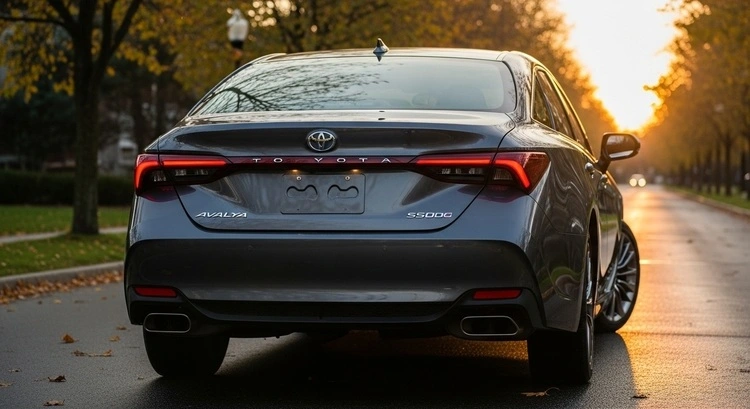
Engine & Massive Oil Leaks
As mentioned earlier, the 3.5L V6 (2GR-FE) is generally one of the best engines Toyota ever built, but the VVT-i oil line on pre-2010 models is a ticking time bomb if it hasn’t been replaced. The original part was rubber; the updated replacement part is all metal. When you pop the hood of a used Avalon, look for a metal line on the passenger side of the engine. If it is rubber, you need to replace it immediately.
Another common engine complaint involves ignition coils. It is not capable of leaving you stranded like an oil leak, but coil failure is the leading cause of the “Check Engine” light and a rough idle (misfires) in models with over 100,000 miles. Codes like P0300 (Random Misfire) are your clue here.
Transmission Hesitation & Shift Flare
The 6-speed automatic transmission introduced in 2008 was a major upgrade in fuel economy, but it had some software bugs early on. Owners of 2007–2009 models often complain about “shift flare,” where the engine revs up between gears, or harsh downshifting when coming to a stop.
This is usually not a mechanical failure of the transmission itself but rather a computer issue. A dealer can often reflash the ECU (engine control unit) to smooth out the shift points. However, if the transmission fluid was never changed, physical wear on the solenoids could be the culprit.
Interior & Electrical Defects
While mechanical failures stop the car, interior and electrical issues can make driving it miserable. A frequent complaint on the third-generation models (2005–2010) is the “melting dashboard.” This is not just a cosmetic annoyance; the dashboard surface becomes tacky and reflective, causing a dangerous glare on the windshield in direct sunlight. Toyota did issue a warranty enhancement for this, but that coverage has largely expired, leaving current owners with a sticky mess.
Another unique electrical quirk involves the power rear sunshade, a luxury feature found in the Limited trims. The motor gears are plastic and prone to stripping, leaving the shade stuck in the “up” position, which blocks your rear visibility. Repairing this often requires removing the entire rear seat and deck, making it a surprisingly expensive fix.
Finally, keep an eye out for Evaporative Emission Control System (EVAP) codes, such as P0440, P0442, or P0446. These pesky Check Engine lights are common on older Avalons and usually point to a failed charcoal canister or a vacuum leak. While it won’t damage the engine, it will cause you to fail emissions testing.
Toyota Avalon Reliability by Generation
Understanding the reliability trends of each generation helps you decide which era fits your budget and risk tolerance.

Second Generation (2000–2004)
- Verdict: Reliable but aging.
- These cars are now over 20 years old. They offer a “sofa on wheels” ride comfort that modern cars rarely match. However, you must be vigilant about maintenance history due to the engine sludge risks mentioned earlier. If you find a well-maintained one, it is a fantastic budget car.
Third Generation (2005–2012)
- Verdict: High risk early on, solid later.
- This generation offers the most interior space. However, the 2005–2008 models are the ones dragging down the Avalon’s reliability score with oil leaks and steering clunks. The 2011 model had unique electrical gremlins. If you want a third-gen, aim for a 2012 model.
Fourth Generation (2013–2018)
- Verdict: Avoid the start, buy the end.
- Toyota radically changed the styling here. The 2013 and 2014 models suffered from stiff suspension tuning that alienated traditional buyers. By 2015, Toyota softened the ride and fixed the interior build quality issues, making the latter half of this generation excellent.
Fifth Generation (2019–2022)
- Verdict: The reliability peak.
- Built on the modern TNGA-K platform, these Avalons are structurally rigid, safe, and tech-heavy. Aside from a fuel pump recall (which dealers fix for free), this generation is nearly flawless mechanically.
The Best Toyota Avalon Years to Buy
If you want to skip the headaches and go straight to the models that will last you a decade, these are the “Golden Era” Avalons.
2015–2018 (The Sweet Spot)
This is arguably the best value for your money. By 2015, Toyota had resolved the harsh ride quality of the early fourth-gen models. The suspension was retuned for comfort, the infotainment was upgraded, and the V6 engine had been perfected. The 2016, 2017, and 2018 models specifically have incredibly low complaint rates and offer modern safety features like blind-spot monitoring without the new-car price tag.
2019–2022 (Modern Perfection)
If your budget allows, the final generation of the Avalon is a masterpiece of engineering. It features standard Apple CarPlay, Toyota Safety Sense P (automatic braking, lane keep assist), and an 8-speed transmission that optimizes fuel economy.
However, we know that many buyers in this price range are often torn between a large sedan and a crossover. If you are leaning toward this modern era of Toyota reliability but prefer an SUV footprint, make sure to read about Toyota RAV4 years to avoid before making your final decision. The RAV4 is excellent, but like the Avalon, specific model years have transmission quirks you should avoid to ensure you get the same trouble-free experience.
2012 (The Best of Gen 3)
If you are working with a tighter budget (under $10,000), the 2012 Avalon is the smartest buy. It retains the classic, ultra-spacious body style of the third generation but was built after Toyota fixed the VVT-i oil line defects and steering issues. It is the “safe bet” for a cheap, comfortable daily driver.
Buying a Used Toyota Avalon: What to Inspect
Even when buying a “best year” model, you should always inspect the vehicle. Here is a checklist for your test drive:
- Check the VVT-i Line: On any 2005–2009 model, look at the oil line on the passenger side of the engine. If it is rubber, walk away or demand a replacement. It must be metal.
- Test the Sunshade: Press the rear sunshade button. If it grinds or doesn’t move, you are looking at a potential $1,000 repair bill.
- Touch the Dash: If the dashboard feels sticky to the touch or your fingernail leaves a deep indent, it is degrading.
- Feel the Shifts: On a test drive, accelerate moderately from a stop. The shift from 2nd to 3rd gear should be imperceptible. If it flares (revs up) or jerks, the transmission solenoids may be failing.
FAQs
The 2006 model year is widely considered the worst due to the high volume of complaints regarding engine oil leaks, steering column failure, and melting dashboards.
With proper maintenance, a Toyota Avalon can easily surpass 200,000 miles. It is not uncommon to see them reach 300,000 miles, especially the V6 models, which are under-stressed during highway driving.
No. The Avalon shares many parts with the Camry, making parts cheap and widely available. The average annual repair cost is between $450 and $600, which is significantly lower than competitors like the Nissan Maxima or Chevrolet Impala.
Conclusion
The Toyota Avalon rightly deserves its reputation as one of the most reliable sedans ever built. However, that badge of honor doesn’t apply to every single car that rolled off the assembly line. To protect your investment, simply steer clear of the 2005–2008 models with their oil leak risks and the 2013–2014 models with their harsh ride.
Instead, target a 2015–2018 or 2019+ model. By choosing one of these verified years, you will get exactly what you paid for: a luxurious, stress-free cruiser that will likely outlast almost everything else on the road.