When a Driver Fails to Stop and Causes a Collision
A driver who fails to stop can cause a serious crash in just a few seconds. These accidents may happen at stop signs, red lights, crosswalks, parking lot exits, or driveways where traffic is already moving. Sometimes the driver never brakes at all. Other times, they slow down but do not fully stop before entering the road.
These crashes can be frustrating because the facts are often disputed. One driver may say they stopped, while another may say they rolled through or entered too fast. Witnesses, traffic cameras, vehicle damage, and road markings can all matter. The goal is to understand whether the driver had enough time and space to stop safely but failed to do so.
The “Rolling Stop” Problem Drivers Often Downplay
A rolling stop happens when a driver slows down but does not fully stop. Many drivers treat it like a small mistake, especially in quiet neighborhoods or parking lots. But even a slow-moving vehicle can cause harm if another driver, cyclist, or pedestrian has the right-of-way. A full stop gives the driver time to look, judge distance, and avoid entering traffic too soon.
Rolling stops are especially risky near four-way stops, school zones, and crosswalks. A driver may glance quickly in one direction and miss someone coming from another. The problem is not only the speed of the vehicle. It is the loss of reaction time that happens when the driver rushes through the stop.
Why Intersection Timing Matters More Than People Think
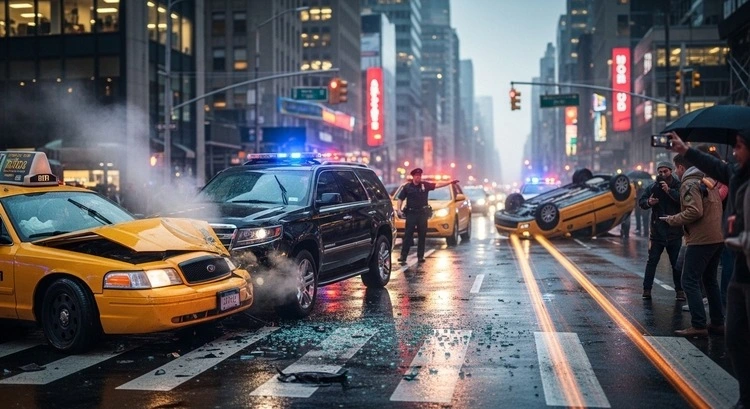
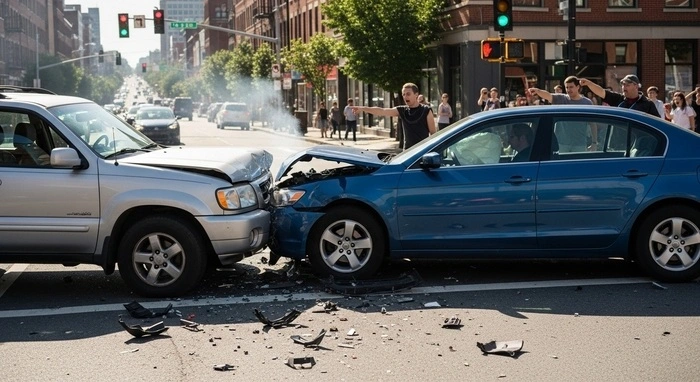
At intersections, timing can decide who has the right-of-way. A few seconds may determine whether a driver entered legally or moved too late. Traffic lights, stop signs, turn arrows, and lane position can all affect how the crash happened. This is why intersection crashes often need more than one person’s memory.
Signal timing records, nearby cameras, and witness statements can help explain the order of events. They may show whether a light had already changed or whether a driver entered after traffic should have stopped. Vehicle positions after the crash may also help tell the story. These details can prevent the case from becoming one driver’s word against the other’s.
When Distraction Turns a Stop Into a Collision
A driver may fail to stop because they are looking at a phone, adjusting the radio, eating, talking to passengers, or watching something outside the road. Even a short distraction can cause a missed stop sign or delayed braking. By the time the driver looks up, there may not be enough space to avoid a collision. This can happen at intersections, traffic backups, and crosswalks.
If distraction is suspected, Woodard Injury Law may help review the details that show what the driver was doing before impact. Evidence may include witness statements, phone records, dashcam footage, skid marks, or the lack of braking before the crash. Distraction can be hard to prove without the right records. That is why early investigation can be important.
Clues That Show Whether a Driver Really Stopped
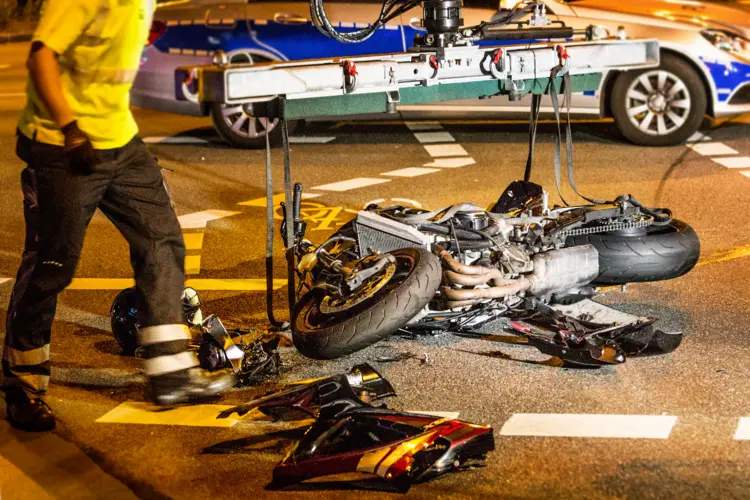
A driver may claim they stopped, but the evidence may tell a different story. Skid marks, vehicle damage, final resting positions, and debris patterns can all help show how fast the vehicles were moving. A lack of skid marks may suggest the driver did not brake in time, though every crash is different. Photos taken soon after the collision can help preserve these clues.
Useful evidence may include:
- Photos of vehicle damage and final positions
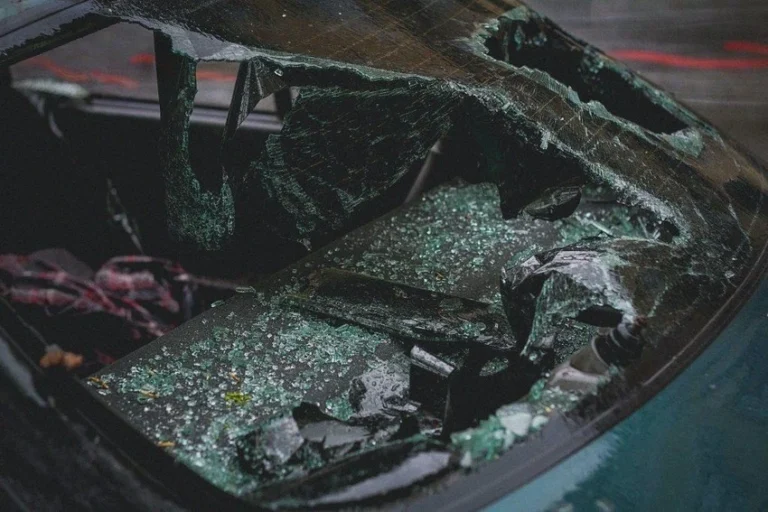
- Skid marks, debris, and broken glass
- Traffic camera or dashcam footage
- Witness names and contact information
- Police report and any citations issued
- Nearby business or home surveillance footage
- Road signs, lane markings, and visibility conditions
- Vehicle repair estimates and inspection notes
These details can help explain whether the driver stopped, rolled through, or entered traffic too quickly. They may also show whether the other driver had time to react. The more evidence available, the easier it is to understand the crash clearly. This can be especially helpful when both drivers give different versions of events.
How Parking Lots and Driveways Create Hidden Stop Risks
Failure-to-stop crashes do not only happen on main roads. Parking lots, private driveways, apartment exits, and business entrances can also be risky. Drivers may focus on finding a space, checking mirrors, or watching for cars while missing pedestrians or crossing traffic. Because speeds are lower, people sometimes underestimate how serious these crashes can be.
Parking lot and driveway crashes can still cause injuries, especially to pedestrians, cyclists, children, and older adults. A driver backing out or pulling forward without stopping may hit someone who had no time to move. These areas often have limited visibility, tight turns, and mixed traffic. Drivers must still use reasonable care, even when they are not on a highway.
Why Pedestrians and Cyclists Are Often Hit First
Pedestrians and cyclists face greater danger when a driver fails to stop. They do not have the protection of a vehicle, airbags, or seatbelts. A missed stop at a crosswalk, driveway, or intersection can cause serious injuries even at lower speeds. The person hit may suffer broken bones, head injuries, back injuries, or long-term pain.
Drivers are expected to look for more than cars. They should watch for people walking, biking, crossing with the signal, or moving through parking lots. A quick glance is not enough when people may be in the path of travel. When a driver fails to stop, the most vulnerable people on the road may suffer the worst consequences.
How One Missed Stop Can Affect Recovery and Claims
A failure-to-stop crash can affect more than the accident scene. The injured person may need medical care, follow-up visits, physical therapy, time away from work, and help with daily tasks. They may also deal with anxiety while driving or crossing streets again. These effects should be documented because they show how the crash changed daily life.
Medical records, photos, work notes, and a simple symptom journal can help show the impact of the crash. It is also important to keep insurance letters and repair records. The claim may depend on both proof of fault and proof of harm. When the details are organized, the injured person has a clearer way to explain what happened and what they lost.
A Missed Stop Can Change More Than Traffic Flow
A driver who doesn’t stop can cause serious problems in an instant. A small traffic mistake can lead to medical bills, missed work, vehicle damage, and long-lasting pain. These crashes may also cause disputes about who had the right-of-way or if the driver truly stopped.
After an accident, gather details quickly. Take photos, get witness names, and collect camera footage, police reports, and medical records. Stop signs, red lights, and crosswalks are there for a reason. Ignoring these rules can have serious consequences.