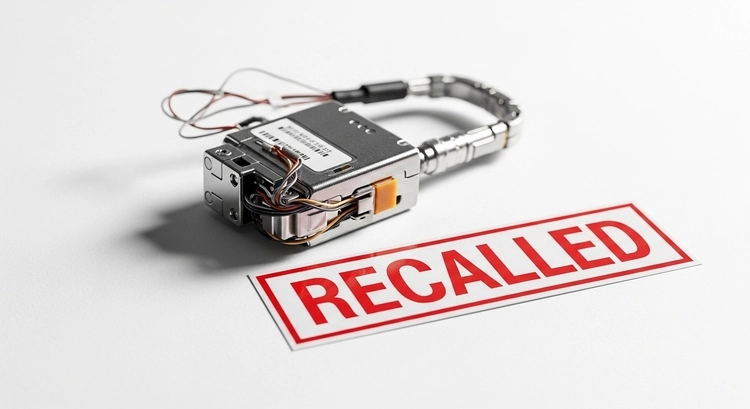
What to Do If Your Implanted Device Gets Recalled
A device recall can unsettle patients because the implant is already part of their everyday care, not just a product name on a notice. Across Missouri, Illinois, and California, people may be moving between oncology appointments, infusion centers, imaging visits, and follow-up calls while trying to understand whether a recalled device affects their next treatment. The first questions are often simple but stressful. Is the still safe? Who should review it, and which symptoms should not wait?
A calm response begins with confirming the exact device details and getting guidance from the clinician who manages the implant. Someone looking up the Bard Power Port recall may also need to compare model and lot information, save official notices, track symptoms, and ask whether imaging, lab work, monitoring, or removal should be considered.
Confirm the Recall Details
Start with the implant card, operative note, or portal summary, then verify brand, model, and lot information. Next, compare those details with the official notice, including the recall class and listed hazard, to confirm an exact match. Reliable updates matter; people checking the Bard power port recall should rely on the published notice and clinician guidance related to the implanted model. If any detail conflicts, ask the clinic to confirm.
Call the Treating Specialist Promptly
Early contact with the implanting surgeon or managing specialist prevents guesswork. A care team can explain the reported problem, how failures tend to appear, and which warning signs need urgent care. During the call, ask what symptoms require emergency evaluation and what changes can wait for a visit. Request written instructions through the portal to keep guidance consistent. If scheduling stalls, primary care can help coordinate interim steps.
Use Reliable Information Sources
Search results can mix speculation with facts. People should prioritize the official recall notice, any patient letter, and guidance from a clinician familiar with the implanted type. Questions should center on the stated defect, known complications, and the follow-up schedule tied to risk level. If the notice changes, save the updated version and share it with the care team. A grounded information set lowers anxiety and supports practical decision-making.
Schedule the Right Evaluation
Many recalls do not require removal. Evaluation may include an exam, imaging, lab work, or device function testing, depending on the implant and the reported hazard. Ask which findings would change management and how soon the assessment should happen. Symptoms such as swelling, fever, pain, or shortness of breath justify faster review. When travel is difficult, a virtual visit can help plan testing and triage.
Track Symptoms in a Simple Log
A short daily log can capture changes that memory misses. Record date, time, activity, symptoms, and severity. Include fever, redness, warmth, drainage, dizziness, fainting, chest pain, shortness of breath, new pain, or unusual sensations near the implant site. Add photos if skin changes appear. Bring the log to appointments. Clear notes help clinicians judge whether monitoring remains safe.
Do Not Stop Essential Therapy Without Guidance
Some implants support vital treatment, including rhythm control, pain delivery, or vascular access. Abrupt changes can create fresh risk. Follow clinical instructions on activity limits, device use, and medication adjustments. If a clinician recommends pausing therapy, ask for a backup plan and a timeline for reassessment. Safety improves when treatment continuity is protected while recall concerns are evaluated and managed.
Collect and Protect Key Records
The organization reduces delays and repeated calls. Keep the implant card, operative report, serial information, visit notes, test results, and recall notices together. Save insurance letters and receipts for travel, prescriptions, and out-of-pocket medical costs. If removal happens, request pathology results and any return or analysis paperwork. A single folder, paper or digital, makes sharing information easier across specialists and facilities.
Understand the Usual Recall Options
Management usually falls into monitoring, adjustment, or repair, or replacement or removal. The choice depends on reported risk, symptoms, and procedure risk for the individual patient. For each option, inquire about the expected benefits, potential complications, and recovery time. A second opinion can help when recommendations differ or anxiety remains high. Informed consent works best when people understand what changes in care and what can be watched safely.
Know When Urgent Care Is Needed
Certain symptoms should not wait. Severe chest pain, trouble breathing, fainting, stroke-like signs, uncontrolled bleeding, high fever with chills, rapidly expanding swelling, or drainage from an implant site can signal an emergency. If these appear, emergency services are appropriate. Even for milder changes, same-day clinical advice may still be needed. When uncertainty remains, an on-call clinician can guide next steps and reduce delays.
Consider Financial and Legal Questions Carefully
Product recalls can bring costs beyond clinic bills, including missed work and travel. People can ask insurers what coverage applies to evaluation, revision, or replacement. If an injury occurred, record dates, symptoms, visits, and expenses in a simple timeline. Legal advice is a personal decision, yet it may clarify options after harm, lost income, or repeated procedures. Decisions tend to improve when facts are organized and complete.
Conclusion
After a recall, steady action protects health. Confirm device details, contact the treating specialist, and rely on verified notices rather than rumors. The right evaluation, symptom logging, and careful records help clinicians choose a safe path. Many people benefit from knowing typical options and recognizing urgent warning signs. With consistent follow-through, families can reduce risk, limit disruption, and regain confidence in ongoing care.