Hidden GPS Trackers in Cars: How They Work and How to Find Them
With today’s modern technology, live GPS tracking of a car is easier than ever. From tracking fleets of cars to tracing stolen vehicles, GPS tracking has made great strides – all of which can be extremely useful.
But this same technology can also be employed to violate personal privacy and intrude upon individual space. If you have any reason to believe that someone is tracking your car without your consent, you need to learn how to know for sure – and how to protect yourself.
What is Live Car Tracking?
Live car tracking is the use of GPS technology to monitor a car’s position in real time. This is achieved with a GPS tracker, a small device that sends location data to a smartphone application or web platform.
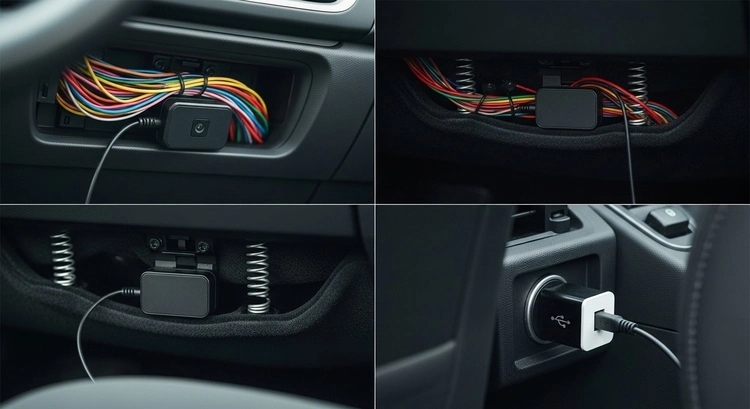
A few are hard-installed into the car’s electrical system, while others are battery-powered and discreetly hidden.
While the devices are often used by businesses and police for legitimate purposes, they are also readily available to the public, where they have the potential to fall into the wrong hands.
Signs That Your Car May Be Tracked
Okay, but how exactly do you know if your car is being tracked against your will or without your consent? The following are some of the typical signs that your car may be tracked:
1. Suspicious Battery Drain
One possible indicator is unusual battery drain. While most legitimate GPS trackers are designed to use very little power, an unauthorized or illicit hardwired tracker – especially if poorly installed or of low quality – can draw enough power to cause your car’s battery to drain faster than normal.
However, note that this is only a possible indicator – most GPS trackers are designed to use minimal energy, so battery issues are more commonly caused by other electrical problems.
2. Strange Devices
Look for any odd or unknown things in or under your car. Most tracking devices are magnetic and can be hidden under the vehicle or in compartments – but we’ll expand on this later.
3. Someone Unexpectedly Knows Your Whereabouts
If you catch someone suspiciously appearing to know your whereabouts or your daily business without you telling them, it could also be a sign you’re being tracked. For example, a former partner consistently appearing at places they shouldn’t know about, or receiving messages referencing your location without you having shared it.
4. Unusual Bluetooth or Device Alerts
In most cases, GPS trackers won’t send messages to your phone unless you’ve installed their app or paired your device.
However, some modern tracking devices (especially Bluetooth-based ones) may trigger alerts if an unknown tracker is moving with you. Apple (AirTag) and Android, for example, now actively warn users about unknown trackers, so if you receive repeated notifications about unfamiliar tracking devices, it’s worth investigating further.
How to Search for a GPS Tracker
If you suspect your car is being tracked, conduct a thorough search – but remember to prioritize your safety and avoid tampering with anything you don’t understand!
1. Check the Undercarriage
With a flashlight and a mirror in hand, shine the light underneath your vehicle. Look for tiny, waterproof containers (often black or dark-colored) secured by magnets. Check the wheel wells, the bumpers, and the frame.
2. Search the Interior
Look in hidden spaces – under seats, inside the glove compartment, under floor mats, and behind panels. Some trackers can be wired directly into your vehicle’s electronics, or plugged into the OBD-II port (which is usually located under the dashboard).
If you notice loose trim, exposed wires, or panels that appear recently disturbed, especially under the dashboard or near the fuse box, it could indicate that a device has been installed.
3. Use a Bug or RF Detector
Electronic bug (or RF) detectors can sometimes help locate active GPS transmitters by picking up their radio frequency signals, but these devices are often unreliable, prone to false positives, and require knowledge of how to interpret the readings.
They are definitely not a guaranteed solution, and different trackers use different frequencies, so some may not be detectable at all.
4. Get Professional Help
If you’re unsure, a qualified mechanic or surveillance specialist can conduct a more thorough sweep using advanced tools – this is ultimately always the most reliable option.
Don’t Overlook Digital Tracking
Even if you unplug the physical tracking device, your vehicle and phone may still be sharing your location.
Many new vehicles have telematics units that collect and report information such as routes taken, locations visited, and even your driving habits. That information is often sent over the vehicle’s built-in internet or your phone’s cellular data connection.
To stop this type of tracking:
- Use Privacy Tools Where They Help
A VPN, for example, won’t disable a physical tracker or stop a vehicle’s built-in telematics system from reporting location data. But if you’re checking vehicle accounts, navigation history, or driving-related apps on a laptop or phone, routing traffic through VPN servers can add a little more privacy, especially on public Wi-Fi.
- Check Your App Permissions
Most ride-sharing and navigation apps ask for ongoing location access. Try changing your settings to “only while in use” or turn off location access when not necessary. That way, your location will be accessed by the app strictly when you’re using it.
- Adjust Your Car’s Privacy Settings
Go through the infotainment system or manufacturer’s app. Disable unwanted data sharing or cloud service auto-syncing.
Being cautious with digital sharing of information is as important as noticing physical trackers.
What to Do if You Find a Tracker
Do Not Remove it Immediately
If you find a suspicious device, don’t touch it – no matter how tempting. Take a photo (or video) of it, document where it is on the vehicle, and write down the date and time.
1. Inform Authorities
Phone local police. Tapping into someone’s communication without consent is almost certainly against the law (though it depends where you’re located), especially if it’s linked to stalking or harassment.
2. Obtain Evidence
Document strange behavior, images of the device, and unfamiliar phone activity. This may be admissible in court.
Legal Considerations
Stalking someone without permission is often illegal – especially if you don’t have ownership of the vehicle. Although employers or parents may tail cars with some rights, private tracking without consent typically infringes on the law. If you’re in doubt, consult an expert legal advisor.
Final Thoughts
Live car tracking is a powerful technology, but unfortunately, it can be misused to compromise your safety and privacy. Whether it’s a device hidden under your bumper or data secretly gathered from your car’s internal system, it’s important to be aware of the risks and know how to protect yourself.
If things seem out of the ordinary, investigate. Acting quickly and thoughtfully can make all the difference in protecting your privacy and peace of mind.