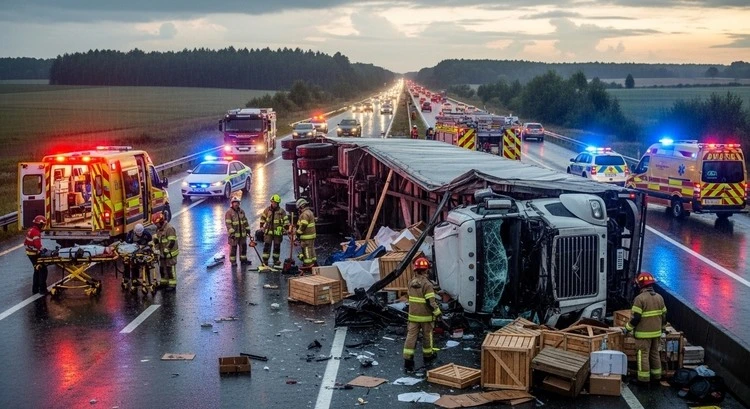
Why Some Traffic Accidents Are More Complicated and How They Impact Your Claim
Some accidents are easy to sort out. Others become complicated almost immediately, raising questions about fault, injuries, and how an insurance company is likely to respond.
That is not always clear in the moment. The type of crash, the people involved, and the evidence available can all shape what happens next. When drivers understand what makes a claim more complicated, they are better prepared to respond carefully and avoid mistakes that are harder to fix later.
What Makes Some Traffic Accidents More Complicated
A basic rear-end collision with visible damage and consistent accounts is one thing. A crash involving multiple vehicles, conflicting statements, or limited evidence is a very different situation. Complexity can increase when a collision involves a cyclist, especially in areas where drivers and cyclists share the road more often. In the Midwest, states such as Indiana, Wisconsin, and Illinois often present a different mix of driving conditions. By contrast, places like Oregon and California tend to have more visible daily cycling, which can shape how these crashes are viewed. In more involved cases, speaking with an Illinois lawyer for statewide bicycle injury claims can help clarify which details may matter most and why a claim may be handled differently from a more routine accident.
Injuries can add another layer. When symptoms appear later or treatment becomes more involved, insurers often look more closely at medical records, timing, and whether the injury is directly tied to the crash.
Evidence can make just as much difference. Missing photos, incomplete witness information, and gaps in documentation make it harder to piece together what happened and who should be held responsible. That is often the point when a routine claim stops feeling routine.
Accidents Involving Cyclists Often Lead to More Complex Claims
Some shared-road crashes become more complicated from the start. When a car collides with a bicycle, injuries are often more serious, raising the stakes and attracting more scrutiny to the claim.
These cases can also create more disagreement over how the crash happened. Visibility, lane position, turning movements, and right-of-way often become central issues, especially at intersections or on busy shared roads. When those details are disputed, fault becomes harder to sort out, and insurers have more room to push back.
Common Mistakes That Can Make a Claim More Difficult
What a driver does after a crash can either help or hurt the claim. One common mistake is speaking too freely about fault before the facts are clear. Even a quick apology or casual comment can be used against you later.
Weak documentation can also cause problems. Photos, witness names, and a clear timeline can make a major difference when the other side disputes what happened. Delaying medical care can also make a claim harder to defend, especially in crashes involving vulnerable road users, where federal bicycle safety guidance notes the risk of serious injury.
What Drivers Can Do to Protect Their Claim
The best response is usually a careful one. Document the scene, get medical attention when needed, keep your records organized, and be cautious in conversations with insurers while the facts are still being sorted out.
It also helps to understand how less obvious accident scenarios can affect liability. Reviewing hidden risks in accident liability can give drivers a better sense of how evidence gaps, uncertain fault, and changing accounts can influence the outcome of a claim.
Conclusion
Some crashes involve more than vehicle damage and repair costs. Once injuries, disputed facts, or vulnerable road users are involved, the claims process can become much more demanding.
A clear and organized response can make a real difference. When drivers understand what adds complexity to a claim, they are better positioned to protect themselves and avoid mistakes that can create bigger problems later.