Car Wrap Aftercare: The Complete Guide to Protecting Your Investment (and Why Most Owners Get It Wrong)
Spend two thousand pounds on a full vinyl wrap and then run it through an automatic car wash the following weekend. It sounds absurd, yet it happens constantly. The wrap industry has exploded over the past decade — matte blacks, satin chromes, colour-shift films — but the aftercare knowledge hasn’t kept pace. Most owners treat a wrapped car the same way they’d treat painted metal, and that single misconception is responsible for more premature failures, lifting edges, and faded finishes than anything else.
The First 48 Hours: What Happens Before the Wrap Has Even Cured
A freshly installed wrap needs time to settle. The adhesive beneath the film continues to bond to the paintwork for up to 48 hours after the installer has finished, and anything that interrupts that process — moisture, heat, or physical pressure — can compromise the result.
Keep the car out of direct rain and away from car washes for at least 48 hours after installation. If you absolutely must drive it, fine — but avoid motorway speeds that push standing water into panel gaps and edges where the film is most vulnerable.
During this window, resist the urge to rub down any small dust nibs or inspect edges obsessively. The film is still conforming. What looks like a slight imperfection on day one often self-corrects by day three as the adhesive fully activates.
How to Wash a Wrapped Car Without Destroying the Finish
This is where the majority of wrap owners go wrong. Rotary brushes in an automatic car wash generate heat and abrasion that will dull a matte or satin finish within months. Touchless washes are safer but still fire high-pressure jets directly at seams and edges — the two weakest points on any wrap.
Hand washing is the only method worth recommending. Use a dedicated wrap-safe, pH-neutral shampoo — not your standard car shampoo, which often contains waxes and conditioning agents that leave residue on matte films and attract dirt.
Follow this sequence every time:
- Pre-rinse the car with a gentle hose or pressure washer held at least 30cm from the surface, avoiding direct jets at panel edges.
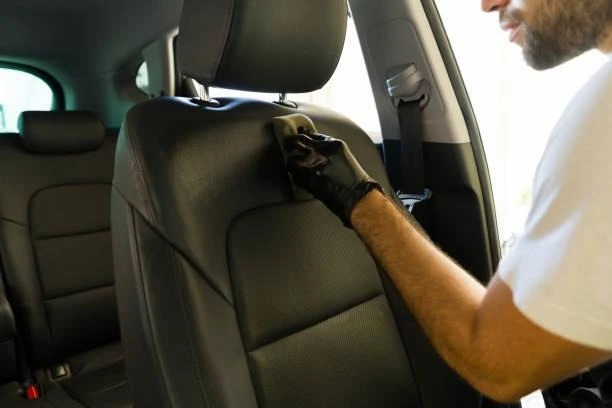
- Use a clean, soft microfibre wash mitt and work panel by panel from the roof downward.
- Rinse thoroughly — shampoo residue left in recessed areas will stain lighter wraps over time.
- Dry immediately with a clean microfibre drying towel or a low-heat blower. Water spots on matte finishes are stubborn and sometimes permanent.
- Never apply a rotary polisher or clay bar — the abrasion will permanently alter matte and satin textures.
The Sun, the Cold, and the Kerb: Environmental Threats You Can’t Ignore
UV exposure is the single biggest long-term enemy of a vinyl wrap. Quality cast vinyl films carry UV inhibitors built into the film itself, but prolonged exposure to direct sunlight still causes colour shift and film shrinkage over years. Parking in a garage or using a fitted car cover makes a measurable difference to how long your wrap holds its original appearance.
In winter, road salt is a serious concern. It doesn’t attack the vinyl the way it attacks bare metal, but salt crystals trapped against lifted edges act like sandpaper and accelerate peeling. Rinse the car more frequently during salting season, paying particular attention to the lower sills, wheel arches, and the leading edge of the bonnet.
Kerb rash on lower sections, particularly around the boot and door bottoms, is another common cause of edge lifting. Once an edge starts to lift, moisture gets underneath and the damage spreads faster than most owners expect. Keep a small heat gun handy — gentle warmth reactivates the adhesive and allows you to press lifted edges back down before they become a workshop job.

Protection Products That Actually Work on Vinyl
The product market for wrap protection has matured considerably. Ceramic coatings formulated specifically for vinyl — distinct from paint-grade ceramics — are now widely available and genuinely worth considering for a high-value full wrap. They add hydrophobic properties that make weekly maintenance significantly easier and provide an additional layer of UV protection.
For matte and satin finishes, a spray sealant designed for flat films is a more accessible option. Apply it after every third or fourth wash. Avoid any product marketed as a wax or polish — both will leave a sheen on flat finishes that is nearly impossible to remove evenly.
Glossy wraps have more flexibility here. A synthetic spray wax or a light paint sealant is fine on a gloss film, though a vinyl-specific product will always outperform a paint product on vinyl chemistry.
Spot Treatment: Handling Fuel, Bird Lime, and Tree Sap Before They Cause Permanent Damage
Speed is everything with contaminant removal. Bird droppings and tree sap become progressively harder to remove as they bake into the surface, and on vinyl — which has a degree of porosity that paint does not — they can leave permanent shadows if left for more than a few hours in warm weather.
Keep the following in your boot for quick intervention:
- Isopropyl alcohol (IPA) diluted to around 30% — effective on fuel spillages, adhesive residue, and light sap
- A dedicated enzymatic bird dropping remover — far gentler on vinyl than citrus-based products
- Several clean microfibre cloths — never use paper towels, which scratch vinyl at a microscopic level
- A small spray bottle of clean water for initial soaking before wiping
When removing anything from a wrap, soak first and blot — never rub. Rubbing smears contaminants across a wider area and, on matte films, permanently burnishes the surface texture.

Making the Most of the Full Package: Wraps, Plates, and Keeping It Cohesive
A wrap is rarely the only personalisation on a car. Many owners who go to the effort of a full colour change also invest in matching details — tinted windows, coloured brake calipers, or custom number plates that complement rather than clash with the new finish. Suppliers like Number 1 Plates offer a range of styles that allow owners to carry a considered aesthetic through the entire vehicle, not just the bodywork.
The principle applies to aftercare too. Everything on the exterior of the car needs maintenance that suits the overall finish — a gloss-black plate frame looks wrong within months if the wrap beneath it has faded from neglect, and vice versa. Treat the car as a whole.
A quality cast vinyl wrap, properly installed and properly maintained, should last between five and seven years on a daily driver. That’s a long time to enjoy a finish that turns heads — and a short time if you’re treating it like ordinary paint. The difference between a wrap that looks immaculate at year five and one that’s peeling and dull by year two comes down almost entirely to the habits formed in the first few months of ownership. Get those right, and the investment takes care of itself.