Ford Explorer Years to Avoid: Reliability, Best & Worst Model Years Explained
Buying a used Ford Explorer can be a smart move, but only if you understand which years to avoid and which ones are worth your money. The Explorer has been on the road since 1991, and in that time it has built two very different reputations: one as a practical family SUV, and another as a model that can suffer from expensive transmission and engine problems in certain years.
This guide walks you through Ford Explorer reliability by year, explains the worst Ford Explorer years to avoid, and highlights the most dependable model years so you can shop with confidence.
Introduction to the Ford Explorer
The Ford Explorer is one of the most recognizable midsize SUVs in the United States. It offers a high driving position, three-row seating on many models, and enough cargo space for family trips, sports gear, or a weekly Costco run.
From its early days as a truck-based SUV to today’s more refined, tech-focused versions, the Explorer has tried to balance comfort, capability, and value. Families like its space and safety features, while commuters enjoy its smooth highway ride and modern infotainment systems.
But that long history also means reliability changes a lot from one model year to another. Some Ford Explorer years are known for running well past 200,000 miles. Others are infamous for repeated trips to the shop and repair bills that can reach thousands of dollars.
Knowing Your Ride
To understand which Ford Explorer years to avoid, it helps to know where the model began. The Explorer replaced the Ford Bronco II in 1991 and used the Ford Ranger’s body-on-frame platform. Early models were simple and tough, focused on towing and light off-road use more than luxury.
As time passed, Ford shifted the Explorer toward family use. Later generations gained:
- More refined interiors and better ride quality
- Stronger engines and improved safety
- Modern tech, like touchscreen infotainment and driver-assist features
Every redesign changed the Explorer’s character and reliability patterns. A first-generation Ford Explorer behaves very differently from a 2019 or 2024 Explorer, even though they share the same name. That’s why you can’t judge all Explorers as “good” or “bad” without looking at the exact year and generation.
If you’re comparing models across the Ford lineup, it’s also smart to understand the Ford Escape years to avoid as well, which are covered in detail here. Looking at both gives you a clearer picture of how Ford SUVs age over time.
Overall General Ford Explorer Reliability
So, are Ford Explorers reliable? The honest answer is that they sit around “average” in the midsize SUV segment, but the details heavily depend on the specific model year and how it was maintained.
Across the lineup, Ford Explorer reliability has a mixed record:
- Some years earn praise for strong engines, solid transmissions, and relatively few serious complaints.
- Other years, especially in the early 2000s, are known for chronic transmission failures, engine issues, and electrical glitches.
Owners who follow the factory maintenance schedule, use quality fluids, and fix small problems quickly often see their Explorers last well over 200,000 miles. On the other hand, vehicles that have been neglected, used for heavy towing, or driven hard in extreme heat tend to wear out much faster.
When you look at Ford Explorer reliability by year, you see sharp differences. A 2010 or 2019 Explorer can be a safe bet for long-term ownership, while a 2002 Explorer may hit you with a major transmission bill before it reaches 100,000 miles. That’s why digging into the details is so important.
Why It’s Important to Know the Ford Explorer Years to Avoid
When you shop for a used SUV, you’re trying to balance price, features, and reliability. If you pick the wrong year, you might save a bit up front and then spend thousands more on repairs.
Certain Ford Explorer years are known for:
- Repeated transmission failures that cost more than the vehicle is worth
- Engines that overheat, stall, or suffer internal damage
- Electrical problems that cause warning lights, sensor errors, or dead accessories
- Suspension wear that leads to uneven tire wear and sloppy handling
By knowing which Ford Explorer years to avoid before you start shopping, you:
- Reduce the risk of buying someone else’s problem SUV
- Focus your search on model years with better reliability records
- Walk into negotiations with more confidence and leverage
This is especially important if you’re buying privately or from a small dealership where vehicles are sold “as is” with limited safety nets.
Why Researching Model Years Is Important
Researching model years sounds like extra work, but it’s one of the easiest ways to protect your budget. When you look at owner complaints, reliability scores, and recall histories, patterns become obvious.
Some years show thousands of complaints about transmissions slipping, harsh shifting, or failing entirely before 100,000 miles. Others have far fewer serious issues and mostly deal with minor trim or cosmetic problems.
Good research helps you:
- Avoid Ford Explorer years with a history of major powertrain failures
- Identify the most reliable Ford Explorer years that offer better value
- Ask better questions during a pre-purchase inspection or test drive
Instead of guessing, you can make decisions based on real-world data from other owners. That alone can save you a major repair bill later.
Ford Explorer Generations Overview
Because the Ford Explorer has been around since 1991, it’s easier to understand reliability by looking at generations rather than random years. Each generation brings a new design, new engines, and a different set of strengths and weaknesses.
Some generations, like the early 2000s third generation, have a reputation for severe transmission and engine problems and are the core of the “Ford Explorer years to avoid.” Others, such as key years in the fifth and sixth generations, offer better safety, improved fuel economy, and more dependable drivetrains.
In the next part, we’ll go through each Ford Explorer generation in more detail, highlight common problems, and show you exactly which years you should skip—and which ones you should target for a more reliable ownership experience.
First Generation (1991–1994)

Image Source Wikimedia Commons
The first-generation Ford Explorer was a classic, truck-based SUV. It used a body-on-frame design and a 4.0L V6 engine that favored durability over refinement. These models are simple and easy to work on, but they lack modern safety features and technology.
If you find a clean 1990s Explorer with good maintenance records, it can still work as a cheap second vehicle or light work truck. Just remember that age, rust, and outdated safety standards make it less ideal as a primary family SUV today.
Second Generation (1995–2001)
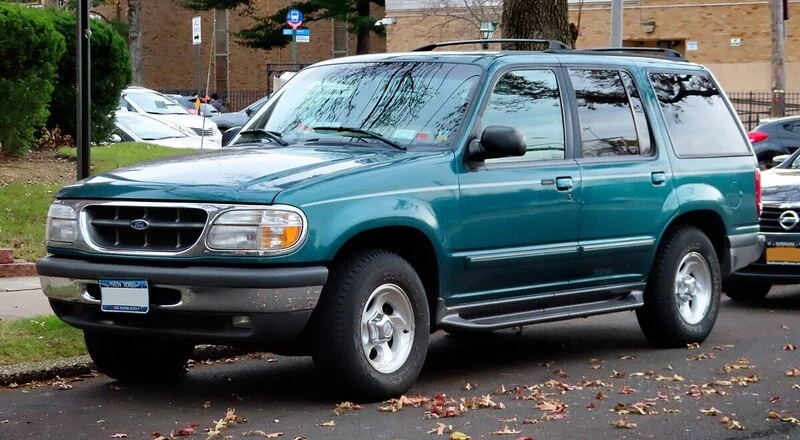
Image source Wikimedia Commons
The second generation added dual airbags, a nicer interior, and more power. Buyers could choose between an updated 4.0L V6 and a stronger 5.0L V8. These Explorers feel more comfortable on the road, but they started to show more transmission and suspension complaints.
For many shoppers, the late years of this generation can be acceptable if the transmission has been serviced and the suspension has been refreshed. However, they are still older vehicles, so you need to check for rust, leaks, and worn bushings.
Third Generation (2002–2005/2006)
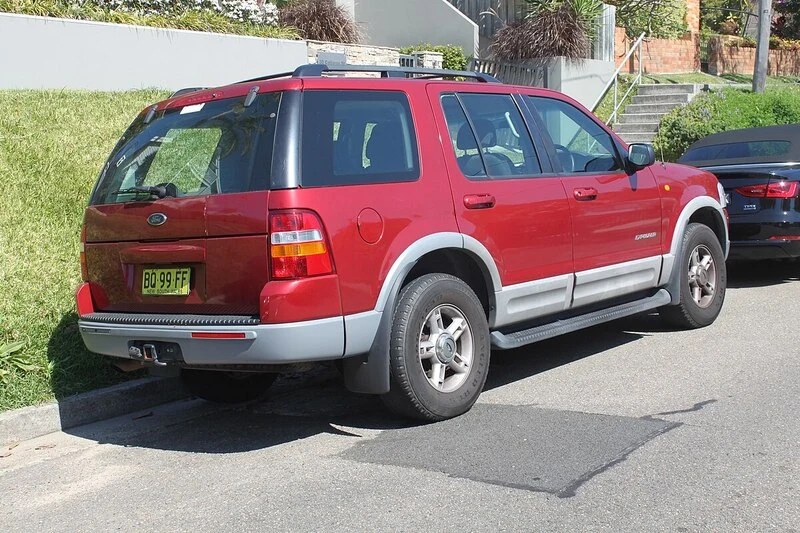
Image from Wikimedia Commons
The third-generation Ford Explorer is where many of the “years to avoid” come from. Ford introduced a major redesign with new styling and a revised chassis, but reliability took a hit.
Models from 2002–2006 are known for:
- Frequent transmission failures before 100,000 miles
- Drivetrain issues and rear differential noise
- Engine problems such as overheating and internal wear
Because of the number of complaints and high repair costs, most buyers should stay away from these years unless they are very cheap and backed by strong documentation and recent major repairs.
Fourth Generation (2006–2010)
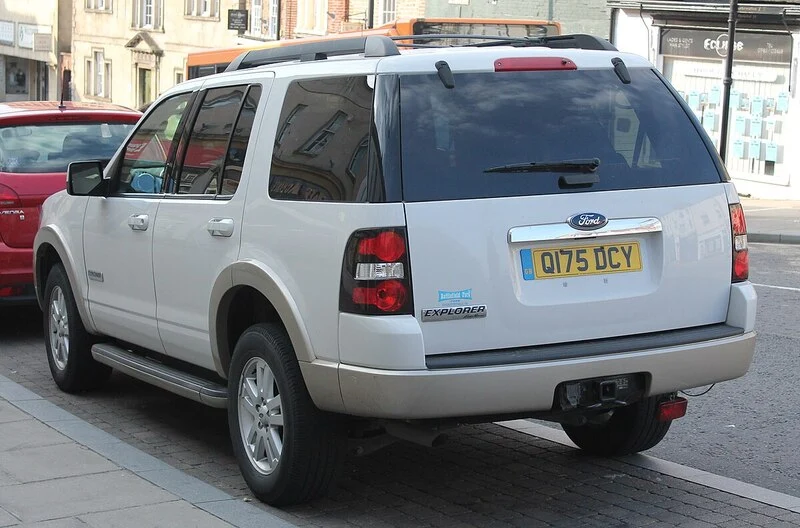
Image from Wikimedia Commons
The fourth generation improved power and refinement, with engines rated up to around 292 horsepower. The ride quality is better, and these models feel more modern than earlier trucks.
However, drivetrain problems did not disappear. Many owners report cooling system issues, radiator leaks, and continued transmission troubles. These Explorers can be comfortable and capable, but you must budget for possible powertrain repairs if you choose this era.
Fifth Generation (2011–2019)
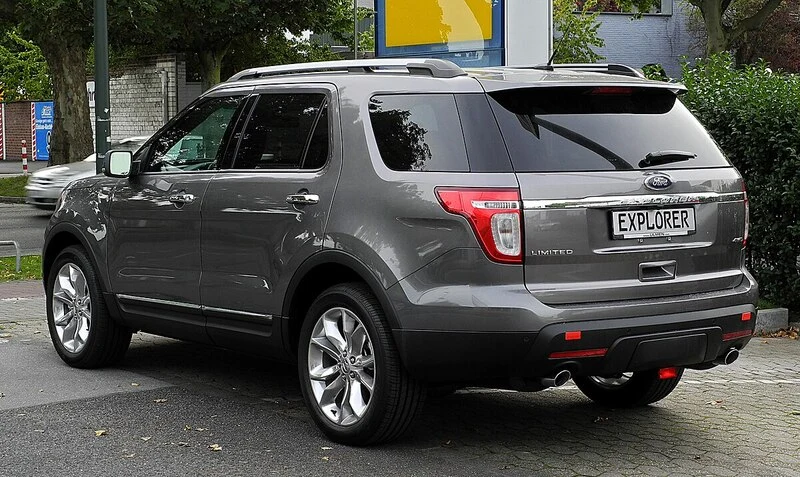
Image from Wikimedia Commons
In 2011, the Explorer moved from body-on-frame to unibody construction. This change made it ride more like a crossover than a truck. Fuel economy improved, and the cabin gained more tech, including advanced safety features and updated infotainment systems.
Reliability is better overall than the early 2000s, but not perfect. Some years have electrical problems, sensor faults, and infotainment glitches. Still, late-fifth-generation models, especially around 2016–2019, often score much higher in owner satisfaction and are popular picks for a used family SUV.
Sixth Generation (2020–Present)
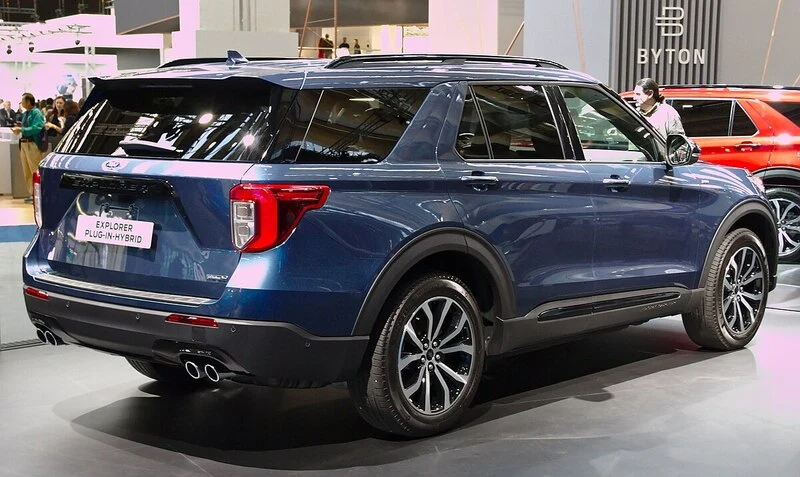
Image from Wikimedia Commons
The current Explorer generation keeps the unibody layout but adds modern engines like the 2.3L EcoBoost and available 3.0L EcoBoost V6. These powertrains offer strong performance and better efficiency than older V8s. Interior space, technology, and safety have also improved.
The 2020 model year, however, suffered from early build and quality issues, including recalls and software problems. Later years in this generation tend to be more sorted, so many shoppers look at 2021 and newer when they want a newer Explorer with fewer teething troubles.
Common Problems in Ford Explorer Models
Even in good years, some issues show up repeatedly across different generations. Knowing the most common Ford Explorer problems helps you ask better questions, spot warning signs during a test drive, and plan future repairs.
Transmission Issues Across Generations
Transmission trouble is one of the main reasons certain Ford Explorer years are on the “avoid” list. In the 2002–2006 models especially, owners report:
- Slipping or harsh shifting between gears
- Delayed engagement when shifting into drive or reverse
- Complete transmission failure at relatively low mileage
Repairing or replacing a failed transmission can cost several thousand dollars, which can easily wipe out any savings from buying a cheaper used SUV. When you shop, always pay close attention to how the Explorer shifts on your test drive and ask for proof of regular fluid changes or past transmission work.
Engine, Electrical, and Suspension Concerns
Beyond the gearbox, some Explorers suffer from engines that overheat, stall, or develop internal damage from coolant leaks or poor maintenance. Electrical glitches, such as failing sensors, dead power accessories, or warning lights that won’t stay off, can also frustrate owners and be costly to diagnose.
On top of that, worn suspension components—like ball joints, control arm bushings, and weak rear suspension arms—can cause uneven tire wear and vague steering. These issues don’t always mean you should walk away, but they should factor into your budget and negotiations.
Which Ford Explorer Years to Avoid
When drivers talk about “Ford Explorer years to avoid,” they almost always point to the early 2000s. These models look attractive because they are cheap, but the repair history tells a different story. If you want to lower your risk of major bills, you should treat these years with extra caution or skip them entirely.
2002–2006 Ford Explorer: Why These Years Are High-Risk
The 2002–2006 Ford Explorer sits at the center of most reliability complaints. These vehicles came from the third generation, which introduced a big redesign but also a wave of mechanical issues.
Owners commonly report:
- Transmission failures well before 100,000 miles
- Harsh or slipping shifts when accelerating
- Drivetrain problems in the rear differential
- Cooling system issues like radiator leaks and overheating
- Body and trim problems, including cracks below the rear window and peeling paint
In many cases, transmission repairs alone can cost a few thousand dollars. When you add the risk of engine and suspension work, the total can quickly pass the value of the vehicle. That is why 2002, 2003, 2004, 2005, and 2006 Explorers show up on so many “do not buy” lists.
If a seller offers one of these years at a very low price with proof of a recent transmission rebuild and strong maintenance records, it might still work for a short-term, low-budget situation. But for most buyers, it is more sensible to spend a bit more upfront on a more reliable model year.
Other Problem Years to Watch
While 2002–2006 are the main Ford Explorer years to avoid, a few later years deserve extra attention too. Some owners of 2013 and 2014 Explorers report power steering failures, water pump issues, and paint problems.
Certain 2016 and 2017 models have complaints about warped door panels, exhaust odors entering the cabin, and weak suspension arms. The 2020 Explorer, as the first year of a new generation, also faced several recalls and early quality issues, including transmission glitches and electrical faults.
These years are not as consistently bad as the early 2000s models, but they still demand a careful inspection, a full history report, and a detailed test drive before you consider buying.
The Best Ford Explorer Years to Consider
The good news is that the Explorer also has many solid years that offer better reliability, stronger safety, and more modern features. When you focus your search on these model years, you improve your odds of a smooth ownership experience.
Older but Trusted Years (1993, 2009–2012)
Some older Explorers, like the 1993 Ford Explorer, built a reputation for simple, durable engineering. If you find one that has been loved, maintained, and stored well, it can still serve as a budget utility vehicle. Just remember that age and safety standards are limiting factors.
Later, the 2009–2012 period brought important improvements in powertrain and build quality. These years often show fewer serious complaints than the early 2000s. Many owners report that 2010, 2011, and 2012 Explorers feel more refined, with stronger drivetrains and fewer catastrophic failures.
Newer, Safer Picks (2016–2019, 2021–2024)
If your budget allows, many shoppers aim for the more recent fifth and sixth generation Explorers.
- 2016–2019 models benefit from better technology, stronger safety ratings, and more polished interiors. Late-fifth-generation Explorers often earn positive reviews for comfort and reliability, especially when maintenance has been consistent.
- Among the newest vehicles, 2021–2024 Explorers tend to be more stable than the launch-year 2020 model. They combine modern EcoBoost engines, advanced driver-assist features, and improved handling with fewer early-production bugs.
These newer years cost more up front, but they can pay off through fewer unexpected repairs, higher resale value, and better daily comfort.
Used Ford Explorer Buying Tips
No matter which model year you target, smart shopping is the key to avoiding trouble. A good year with poor maintenance can still disappoint, while a decent year with great care can be a bargain.
Here are some simple but powerful tips:
- Do your research – Check reliability data, owner forums, and complaint histories for the exact year and engine you’re considering.
- Get a vehicle history report – Look for accident records, title issues, repeated repairs, or gaps in ownership.
- Schedule a pre-purchase inspection – Have a trusted mechanic check the engine, transmission, cooling system, suspension, and electronics.
- Test-drive carefully – Pay close attention to shifting, steering feel, brake response, and any warning lights or strange noises.
- Review maintenance records – Regular oil changes, fluid services, and recall fixes are strong signs of a well-cared-for SUV.
These steps reduce the risk of buying a Ford Explorer with hidden problems and help you negotiate a fair price.
FAQ
Ford Explorer reliability is mixed. Some years are average and can run well past 200,000 miles with proper care. Others, especially in the early 2000s, have a high rate of transmission and engine problems. The exact model year and maintenance history matter more than the badge alone.
Most experts and owners agree you should be very cautious with 2002–2006 Explorers. These years are known for frequent transmission failures, drivetrain issues, and cooling system problems that can be expensive to fix. Certain later years, like 2013, 2014, 2016, 2017, and 2020, also deserve extra inspection because of specific complaints.
Many buyers have good experiences with 1993, 2009–2012, and late-fifth-generation models from 2016–2019. Among newer SUVs, 2021–2024 Explorers are attractive because they combine updated tech and safety with fewer early-production issues than the 2020 launch year.
Across different generations, the most common issues include:
Automatic transmission problems (slipping, harsh shifts, total failures)
Engine overheating and stalling
Electrical glitches, including failing sensors and power features
Suspension wear, such as weak rear arms and worn ball joints
These issues are more frequent in some years than others, which is why model-year research is so important.
You can improve reliability by starting with a good year, then backing that up with consistent care. Follow the maintenance schedule, use quality fluids and parts, fix small issues early, and avoid heavy towing or aggressive driving if the vehicle has high mileage. A thorough inspection before you buy is just as important as the maintenance you do afterward.
Conclusion
The Ford Explorer can be a practical, comfortable, and capable midsize SUV—but only if you choose the right model year and a well-maintained example. The 2002–2006 Explorers are the main Ford Explorer years to avoid because of their history of transmission, drivetrain, and cooling system failures.
By focusing instead on stronger years, such as 2009–2012, 2016–2019, and 2021–2024, and by doing your homework on each specific vehicle, you can enjoy the space and versatility of an Explorer without constant repair stress.
Take your time, research each year, inspect every SUV carefully, and walk away from anything that feels wrong. When you do that, you give yourself the best chance of owning a Ford Explorer that feels like a smart choice—not a financial burden.