The Complete Guide to Windshield Replacement Services at Super Auto Glass
Quick Answer
If your vehicle’s front glass is cracked, shattered, or compromised beyond minor damage, replacing it is often the safest and most reliable solution. A full replacement ensures structural integrity, visibility, and compliance with safety standards. Repairs may suffice for small chips or short cracks – typically under three inches – but anything in the driver’s line of sight or larger than a loonie usually warrants a full swap. The process generally takes 1–2 hours, and most reputable providers use adhesives that require a short cure time before the vehicle can be driven again.
Introduction
Picture this: you’re driving down the highway when a loose stone kicks up from the truck ahead and strikes your windshield with a sharp ping. A tiny chip appears – barely noticeable, but undeniably there. At first, you might brush it off. But over time, temperature swings, road vibrations, or even a sudden pothole can turn that minor flaw into a sprawling crack, threatening both visibility and safety.
That’s when you’ll want to explore professional options for auto glass care. For many drivers across Canada, windshield replacement services from Super Auto Glass offer a trusted path back to safe driving – whether you’re in a sedan, SUV, or commercial fleet vehicle. The key is knowing when a quick fix will do, and when it’s time for a full replacement.
Not all glass damage is created equal. Some issues can be resolved in under an hour with a simple resin injection, while others demand complete removal and reinstallation using high-strength adhesives and precision-fit glass. Understanding the difference – and acting promptly – can save you time, money, and even prevent a roadside emergency. Let’s break down exactly what modern windshield replacement entails, so you’re prepared when the unexpected happens.
When to Repair vs. Replace Your Windshield
Not every ding, chip, or crack demands a full windshield replacement. In fact, timely intervention can often save your original glass – and your wallet. The key lies in assessing the damage type, size, depth, and location. Here’s how professionals evaluate what your vehicle needs:
Damage Size and Type
Minor imperfections like bullseyes, stars, or small cracks (often caused by gravel or road debris) may qualify for rock chip repair if they meet specific criteria:
- Chip diameter: smaller than a Canadian quarter (~24 mm)
- Crack length: under 3 inches (about the size of a loonie)
- Depth: damage limited to the outer layer of laminated glass
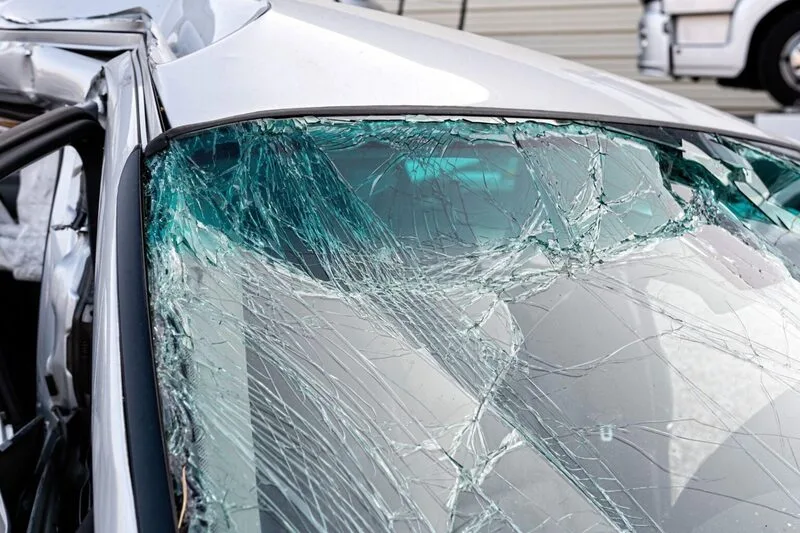
If the inner layer is compromised or the crack branches extensively, replacement is usually the only safe option.
Location Matters
Even a tiny chip directly in the driver’s primary line of sight can distort vision or fail safety inspections. Most technicians recommend replacement for any damage in this critical zone – repair might leave subtle optical distortions that impair judgment at high speeds or in poor weather.
Structural Integrity
Your windshield isn’t just a window – it’s a load-bearing component of your vehicle’s safety system. It supports the roof in a rollover and ensures proper airbag deployment. If damage affects the edges (within 2–3 cm of the seal), the structural bond may be weakened, making auto glass replacement necessary.
A Quick Decision Guide
| Damage Type | Likely Solution | Why? |
| Chip < 24 mm, not in sight line | Rock chip repair | Prevents spread; restores clarity |
| Crack > 3 inches | Windshield replacement | Too large to stabilize reliably |
| Multiple impact points | Windshield replacement | Compromises overall integrity |
| Edge damage | Windshield replacement | Risk to structural adhesion |
| Inner layer cracked | Windshield replacement | Safety-critical failure |
Choosing the right path isn’t just about convenience – it’s about maintaining your vehicle’s engineered safety. A delayed decision on a spreading crack could turn a $50 repair into a $300+ windshield change down the road.
What to Expect During a Professional Windshield Replacement
Replacing a windshield isn’t just about swapping out glass – it’s a precision process that affects your vehicle’s safety, aerodynamics, and structural performance. Whether you’re scheduling a repair for a compact sedan or a commercial van, the steps remain consistent across reputable providers. Here’s a realistic, behind-the-scenes look at how a standard windshield change unfolds:
Step-by-Step Process
Initial Assessment
A technician inspects the damage, checks the vehicle’s make and model, and confirms whether replacement is necessary. They’ll also verify if your windshield includes advanced features like rain sensors, lane assist cameras, or heating elements – each requiring recalibration post-installation.
Safe Removal
The old windshield is carefully cut out using specialized tools to avoid damaging the pinch weld (the metal frame it’s bonded to). Debris and old urethane are fully cleaned to ensure a strong new bond.
Priming and Bonding
The vehicle frame and new glass are primed, then a high-strength automotive urethane adhesive is applied. This adhesive must meet Federal Motor Vehicle Safety Standards (FMVSS) and is crucial for crash performance.
Installation & Alignment
The new windshield is set into place with exact alignment – critical for sensors and aesthetics. Technicians use alignment guides to ensure perfect fitment.
Curing Time
Most adhesives need 60–90 minutes to cure before the vehicle is safe to drive. Some fast-cure options allow driving in as little as 30–45 minutes, but this depends on temperature, humidity, and adhesive type.
Post-Installation Checks
Once cured, the technician checks for leaks, verifies sensor functionality (if applicable), and cleans the glass. If your car has ADAS (Advanced Driver Assistance Systems), a separate recalibration may be required – often at a dealership or specialized shop.
OEM vs. Aftermarket Glass: What’s the Difference?
| Feature | OEM (Original Equipment Manufacturer) | Aftermarket (OEM-equivalent) |
| Source | Made by the same brand that supplied the automaker | Made by third-party manufacturers |
| Fit & Finish | Exact match in curvature, tint, and logos | May have slight variations |
| Certification | Meets or exceeds automaker specs | Must meet DOT/FMVSS standards |
| Cost | Typically 20–40% higher | More budget-friendly |
| Warranty | Often backed by longer guarantees | Varies by provider |
Both options are safe when installed correctly, but OEM glass ensures seamless integration – especially important for vehicles with embedded tech.
Time and Convenience Factors
- Most full replacements take 60–120 minutes on-site.
- Mobile services can often come to your home or workplace, reducing downtime.
- Many insurers cover the full cost with $0 deductible under comprehensive coverage – just confirm your policy details beforehand.
A quality auto glass replacement isn’t just about clarity – it’s about restoring your vehicle’s engineered safety. Done right, it should feel like the glass was never touched. In the next section, we’ll look at real-world tips to extend your windshield’s life, avoid common pitfalls, and know what questions to ask before booking a service.
Smart Tips and Next Steps After Windshield Damage
Once you’ve addressed a chip or completed a full windshield replacement, the focus shifts to prevention, smart decision-making, and knowing what support is available. Many drivers aren’t aware that small changes in driving habits or maintenance routines can significantly extend the life of their auto glass. Below are actionable insights – backed by industry experience – that go beyond the basics.
Preventative Habits That Protect Your Windshield
- Maintain safe following distance: Staying farther back from trucks and construction vehicles reduces exposure to flying debris.
- Avoid extreme temperature shocks: Don’t blast hot air directly on a cold windshield in winter – this can cause existing micro-fractures to spread.
- Park in shaded or covered areas: UV exposure and thermal cycling degrade glass over time, especially on older vehicles.
- Address chips immediately: A rock chip repair done within 24–48 hours has a much higher success rate before moisture or dirt contaminates the break.
Questions to Ask Before Booking a Service
When you’re ready to schedule work, clarity upfront prevents surprises later. Consider asking:
- “Do you use OEM or OEM-equivalent glass?”
- “What’s your adhesive cure time, and when can I safely drive?”
- “Is recalibration included or recommended if my car has ADAS?”
- “What kind of labour warranty do you offer?” (Look for at least 1 year)
Insurance and Cost Considerations
Most Canadian auto insurance policies with comprehensive coverage include full glass coverage – often with a $0 deductible for repairs and sometimes for replacements too. Always:
- Notify your insurer before work begins (some require pre-approval)
- Confirm whether they pay the provider directly or reimburse you
- Keep documentation in case of disputes
Final Thoughts: Safety, Clarity, and Peace of Mind
Your windshield does far more than keep the wind out of your face – it’s a silent guardian in your vehicle’s safety ecosystem. From supporting the roof in a rollover to ensuring airbags deploy correctly, compromised glass isn’t just an inconvenience; it’s a risk. That’s why understanding the difference between a simple rock chip repair and a full windshield replacement isn’t just practical – it’s essential.