How to Manage Truck Maintenance in the Colder Months: 10 Insights
Cold weather can cause significant strain to your truck, so regular and thorough maintenance is essential in the winter months. Low temperatures can impact numerous parts of your vehicle, from batteries to fuel systems and tires, and increase the likelihood of disruptive breakdowns and safety risks.
Here are some ways drivers and fleet managers can ensure their trucks are well-maintained during winter.
1. Prioritize Battery Health
Cold temperatures can significantly reduce the performance of truck batteries. Large portions of a battery’s power can be lost in cold weather, leading to minor issues or complete failure. Regularly test the battery’s voltage and condition to notice and prevent issues. Corrosion must be cleaned, and weak batteries should be replaced.
2. Switch to Winter-Appropriate Engine Oil
Winter weather can make engine oil thicken. This makes it harder for the engine to start and run as intended, as internal components may not be properly lubricated. Use oil grades recommended for winter months, and consider regular oil changes. Seek professional advice if necessary.
3. Inspect Brake Systems Regularly
Winter conditions can dramatically affect overall braking performance, requiring drivers to increase their stopping distance. Moisture can accumulate in air brake systems and freeze when temperatures drop, affecting brake performance.
Truck drivers should drain air tanks regularly to remove moisture, inspect brake components for wear, test brakes before setting out, and examine brake lines for signs of leaks or corrosion. This can provide peace of mind and support a safer ride.
4. Protect Electrical Components From Cold and Moisture
Electrical systems can become vulnerable when temperatures drop. Wiring, sensors and connectors can all be negatively affected by the cold, while moisture can lead to corrosion and electrical faults. Regularly inspect electrical components and wiring to identify small issues early, before they develop into larger problems. If the electrical concern is complex, consider seeking expert assistance.
5. Monitor Tire Pressure and Tread
Falling temperatures can significantly affect tire performance, and careful maintenance is essential to ensure efficiency and safety on icy roads. Air inside the tire can cause the pressure to decrease, and underinflation can accelerate wear and reduce fuel efficiency. Road salt is also a concern, as it can cause rust and corrosion on brake lines, lower rear quarters, wheel wells and other vehicle components.
Check tire pressure more frequently in the winter months and maintain adequate pressure to ensure good traction and handling. Maintain a good level of tread depth so tires can properly grip in slippery conditions. To protect a truck from rust, you can apply wax and anti-rust, as well as regularly clean the undercarriage and exterior.
6. Prevent Diesel Fuel Gelling
Diesel fuel can gel in the winter months when natural paraffin wax solidifies into crystals. This can clog filters and fuel lines, preventing engines from running properly. Use winter-grade diesel fuel or additives designed to prevent gelling. Replace fuel filters regularly, as they can accumulate wax and debris faster when temperatures drop.
7. Ensure Visibility Systems Are Functional
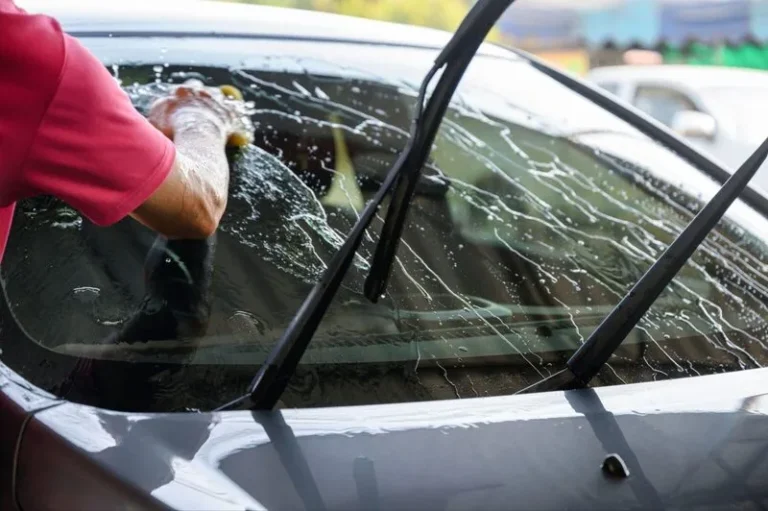
Snow, heavy rain, shorter daylight hours and fog can all severely reduce a driver’s visibility. Ensuring every system that impacts visibility is checked and maintained is essential for driver safety. Regularly inspect wiper blades, heating and defrosting systems, headlights, and any auxiliary lighting. Use winter-grade washer fluid to prevent freezing during harsh conditions.
8. Maintain Coolant and Antifreeze Levels
A well-maintained cooling system is important when temperatures drop. Antifreeze prevents coolant from freezing and helps regulate engine temperature. However, insufficient antifreeze levels can cause the coolant to freeze and damage the radiator, hoses or engine
Test coolant concentration regularly to ensure the mixture withstands low temperatures. A 50/50 antifreeze and water ratio should keep the coolant from freezing, although a 60/40 ratio may be needed in extremely cold conditions. Always check the manufacturer’s recommendations and any warnings.
9. Increase Inspection Frequency
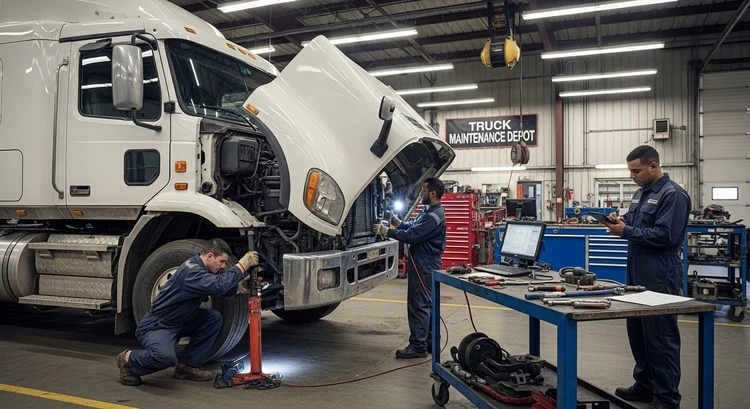
The most important, all-encompassing action that drivers and fleet managers can take is to increase their overall inspection frequency. Be sure to have a separate, increased inspection routine once the weather turns cold, or when a driver will be traveling through a cold area, even if it’s only for a short period.
Winter conditions increase the likelihood of issues, so frequent checks are essential to spot small concerns before they develop into larger problems. Don’t hesitate to act or contact a professional mechanic when you spot an issue, particularly in the winter months.
10. Ensure Emergency Equipment Is On-Hand
The driver must be prepared in case an incident occurs. Careful preparation, regular maintenance and taking immediate action when spotting an issue can all contribute to reducing the chance of a problem as much as possible. However, even the best-prepared driver can run into issues, so they must be equipped with everything they may need in an emergency.
Different regions pose different hazards, so drivers should prepare for the conditions they’re traveling to and from. Emergency items that drivers should have handy include:
- Water and nonperishable food
- Blanket or sleeping bag, spare clothes and hand warmers
- Glow sticks, flashlight and reflector triangles
- Portable power supply
- Well-stocked toolbox and first-aid kit
- Paper maps and a compass
- Shovel and ice pick
- Jump cables and snow tire chains
- A durable backpack
- Charged phone and physical emergency contact list
Be Proactive, Be Prepared
A proactive approach to inspections and maintenance is essential when temperatures drop. Maintaining batteries, tire pressure, engine oil, electrical components, visibility systems, antifreeze levels, and more helps keep issues to a minimum.
Remember that even an immaculate maintenance routine can’t guarantee that an issue won’t occur, so be prepared and pack any emergency equipment you might need.