North Dakota Car Accidents Don’t Always Look Serious Until the Bills Arrive
A crash might feel like an interruption rather than a setback at first, especially if your vehicle is drivable and you do not feel injured at the scene. That initial impression often changes once medical evaluations begin, repair professionals uncover hidden damage, and insurers start applying deductibles, coverage limits, and fault assessments. Even low-speed collisions can produce diagnostic testing, follow-up appointments, rental car charges, and repair invoices that reveal the accident’s real financial weight weeks or months later.
Why Initial Appearances Can Be Misleading
In North Dakota, your own personal injury protection (PIP) insurance pays for immediate injury-related costs regardless of fault, which helps cover basic medical bills and some lost income under state no-fault rules. However, if your losses rise above those initial coverages, you may want to speak with a car accident lawyer in North Dakota to understand your legal options for additional compensation.
Accident reports and statements taken shortly after the crash often understate injuries and damages because your symptoms may not appear for days, and vehicle damage may be more extensive than first visible. Documentation from these early moments feeds directly into insurance evaluations and claim resolutions.
Medical Bills After a Car Accident
Even seemingly minor collisions can lead to expensive medical care. Some conditions, such as soft tissue injuries, internal bruising, or concussion symptoms, might not become evident immediately, resulting in delayed costs for diagnosis and treatment. Seeking care soon after the incident helps establish a medical record linking those injuries to the crash.
Under North Dakota’s no-fault system, PIP coverage helps you pay for initial treatment. Yet state minimums may not fully cover extensive care, and once PIP limits are reached, you may need to look to liability claims or other coverages for further cost recovery.
Vehicle Damage and Repair Costs
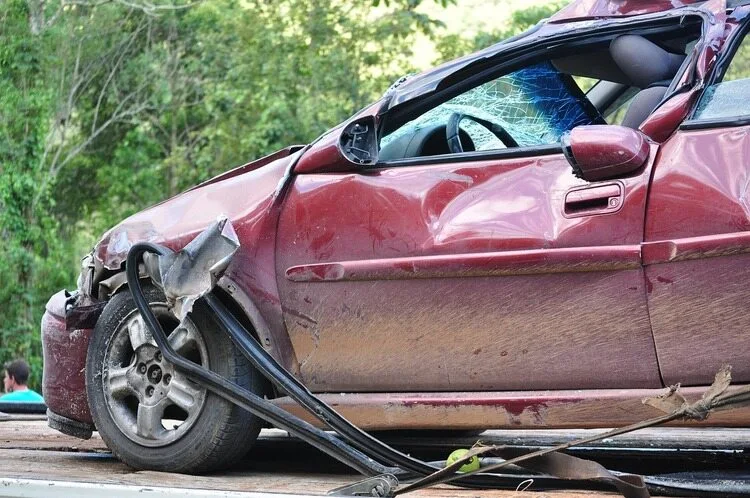
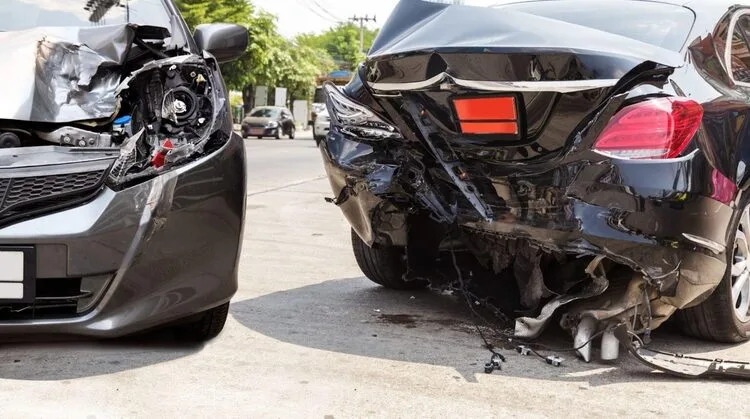
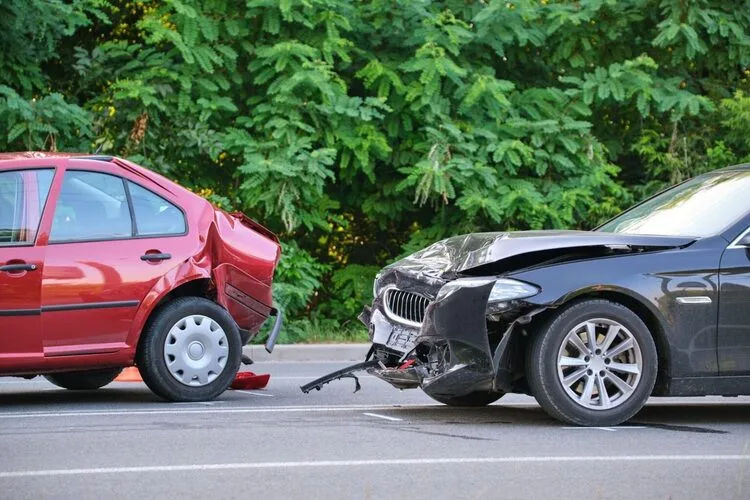
Collision damage that looks minor at the scene can mask deeper structural or mechanical issues. Modern vehicles include safety systems and sensors that are costly to repair. Even front or rear “bumper damage” might require expensive parts and labor once a qualified mechanic inspects the vehicle.
Insurance property damage coverage pays for repairs or replacement up to policy limits. If the responsible party’s coverage is low or if you have a high deductible, you may face significant out-of-pocket bills. Having detailed estimates and documentation early makes processing these claims more straightforward.
Different Types of Insurance Coverage That Apply
North Dakota drivers must carry liability coverage for bodily injury and property damage, as well as uninsured and underinsured motorist coverages. You also must carry PIP coverage to pay your own initial injury-related costs.
• Liability insurance pays for others’ injuries and property damage if you are at fault.
• Uninsured/underinsured motorist coverage helps if the at-fault driver lacks adequate insurance.
• PIP pays your own economic losses regardless of fault.
These coverages interact in complex ways, and understanding which pays what requires reviewing your policy details carefully.
Fault and Financial Responsibility
North Dakota follows a modified comparative negligence rule, which affects what you can recover from another party’s liability policy. If you are found 50% or more at fault for the crash, you may be barred from any recovery. If you are found partially at fault but less than 50% responsible, your damages award is reduced proportionally.
This means your total financial obligation can include costs that your own policy does not cover, reduced compensation from another party, and adjustments for your share of responsibility. Insurance adjusters weigh these factors when determining settlement amounts.
Deadlines That Affect Your Bills
If insurance coverage proves insufficient, you may consider a civil lawsuit. Under North Dakota law, most personal injury and property damage claims must be filed within six years from the date of the crash. Wrongful death actions have a two-year deadline. Missing these deadlines generally prevents you from seeking court-ordered damages.
Meeting these timelines and handling paperwork correctly influences whether and how you can recover additional costs beyond insurance payouts. Filing within the required periods is necessary to preserve the ability to seek damages through the court system.
Planning for the Full Cost After a Crash
You may think a minor collision equals minor consequences, but the mix of medical needs, repair bills, and insurance mechanics can create a full set of financial responsibilities.
Understanding how no-fault insurance rules, fault allocation under modified comparative negligence, and minimum coverage limits apply is part of how you protect your rights and recover compensation after a wreck.
What You Should Understand About Your Situation
Illnesses and auto damage that develop after a car crash often become apparent only once bills arrive, and evaluations begin. Insurance coverages have limits, and state rules define when you can seek compensation from others. Knowing your obligations and options under North Dakota law helps prepare you for these expenses and supports informed decisions as you handle claims and any legal actions.