The Decision That Can Turn an Ordinary Drive Into a Crime Scene
Most people begin a drive expecting nothing more than reaching their destination safely. Roads are filled with commuters, families, and travelers going about their daily routines, often without giving much thought to the decisions being made by the drivers around them. In a matter of seconds, however, one poor choice can completely change the lives of everyone nearby.
Driving requires constant attention, sound judgment, and the ability to react quickly to changing conditions. Alcohol and other impairing substances interfere with each of these abilities, making ordinary traffic situations far more dangerous than they would otherwise be.
Many devastating DUI accidents begin with a single decision to drive despite impairment. What starts as an ordinary trip can quickly become the scene of catastrophic injuries, criminal investigations, and consequences that last for years.
What Impairment Takes Away From a Driver
Safe driving depends on the ability to recognize hazards, process information quickly, and make sound decisions under constantly changing conditions. Alcohol reduces many of these essential abilities, making even familiar roads more dangerous.
Reaction time often slows noticeably. Drivers may hesitate before braking, respond too late to changing traffic signals, or fail to recognize pedestrians, cyclists, or stopped vehicles until a collision becomes difficult to avoid.
Coordination and judgment are also affected. Maintaining lane position, controlling speed, estimating distances, and making safe driving decisions all become more challenging as impairment increases.
The Crash Patterns Often Linked to Impairment
Certain types of collisions appear more frequently when impairment is involved. Drivers under the influence are more likely to drift across lane markings, travel the wrong way on divided highways, or fail to remain within a single lane of travel.
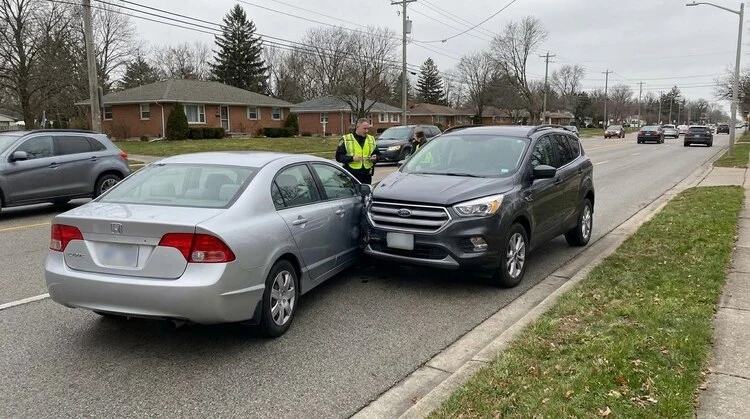
Rear-end collisions are also common because impaired drivers may not recognize slowing traffic until the final moments before impact. Delayed braking and reduced awareness leave very little opportunity to avoid the vehicle ahead.
Failure to obey traffic signals and stop signs creates additional danger at intersections. Combined with excessive speed or poor judgment, these mistakes often result in high-impact crashes capable of causing severe injuries.
The People Affected Beyond the Driver
The consequences of impaired driving rarely stop with the individual behind the wheel. Passengers, occupants of other vehicles, pedestrians, cyclists, and nearby families may all become victims of a decision they had no role in making.
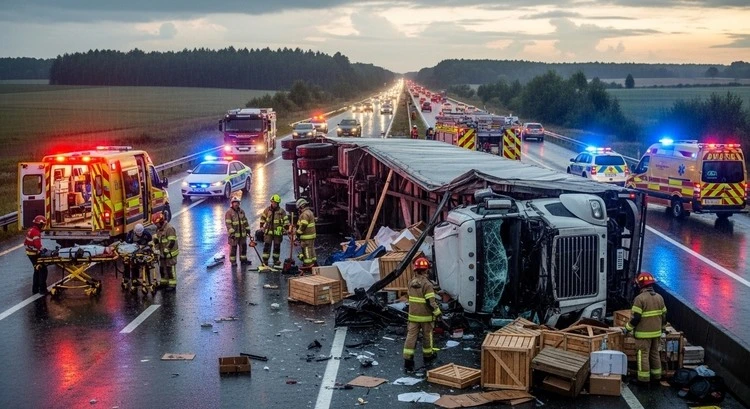
Emergency responders also experience the effects of these crashes. Police officers, firefighters, paramedics, and medical professionals are often called upon to respond to traumatic scenes that could have been prevented.
Communities feel the impact as well. Serious crashes may close roadways, strain emergency resources, and leave lasting emotional effects on families whose lives are permanently changed by a single collision.
The Consequences That Continue After the Scene Is Cleared
The immediate aftermath of a DUI crash is only the beginning. Serious injuries may require months or years of medical treatment, rehabilitation, and ongoing care while victims attempt to rebuild their lives.
Criminal charges, driver’s license consequences, insurance issues, and financial obligations may also follow. Depending on the circumstances, the legal consequences can continue long after the damaged vehicles have been removed from the roadway.
Emotional trauma often remains as well. Victims, family members, and even those responsible for the collision may continue dealing with the psychological effects of the crash for many years afterward.
Conclusion
Every impaired driving crash begins with a decision that could have been avoided. Long before emergency lights arrive or investigators begin examining the scene, someone chose to drive despite reduced judgment and diminished ability.
The consequences reach far beyond the driver alone. Families, friends, innocent motorists, and entire communities may experience lasting physical, emotional, and financial harm because of a single preventable choice.
Preventing DUI accidents starts before the engine is ever turned on. Planning ahead, arranging safe transportation, and refusing to drive while impaired remain the most effective ways to keep an ordinary drive from becoming the scene of a devastating tragedy.