Is Damage to a Car in a Parking Lot Covered under Insurance?
Parking areas can look safe, but car damage can still happen there due to another vehicle, a falling object, vandalism or weather-related impact. Whether insurance may cover such damage depends on the policy type, the cause of damage and the documents submitted during the claim.
When buying or renewing car insurance online, it is useful to know how such incidents are assessed as per policy terms. This article explains what may count as parking lot damage and how coverage may apply.
What Counts as Parking Lot Damage?
Parking lot damage means damage caused to your car while it is parked in a permitted parking area. The cause matters because it helps the insurer review the claim correctly.
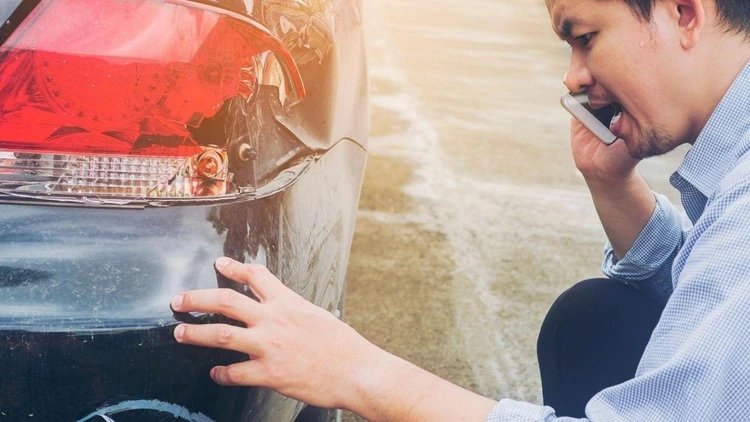
- Minor Accidental Damage: This includes dents, paint scratches, bumper marks, broken lights, or mirror damage caused when another vehicle moves too close.
- Hit-and-Run Incidents: This happens when another vehicle damages your parked car, and the driver leaves without sharing details. CCTV footage, photos or witness details can support the review.
- Damage from Falling Objects: A parked car may be damaged by a falling branch, signboard, loose object or material from a nearby structure.
- Vandalism or Intentional Damage: This refers to deliberate damage such as scratches, broken glass or damage caused by unknown persons.
- Natural Event-Related Damage: Rain, flooding, storms or tree falls can damage a parked car. Such damage may be reviewed under a policy, depending on the wording.
Which Car Insurance Covers Parking Lot Damage?
Not every car insurance policy gives the same protection. The main point is whether your policy covers damage to your own vehicle.
Third-Party Insurance
Third-party insurance mainly covers legal liability if your insured car causes injury or property damage to another person. It does not usually cover damage to your own car. If your parked car is scratched, dented or damaged, a third-party-only policy may not respond. So always check the policy document for exact terms.
Comprehensive Car Insurance
Comprehensive car insurance usually includes third-party liability and own damage cover for the insured vehicle. This policy may cover parking lot damage caused by accidental impact, falling objects, vandalism, or certain weather-related events. The claim decision depends on policy wording, cause of damage, inspection, documents, and deductibles.
When Insurance Claims May Be Rejected
A claim may be rejected if the incident is not reported properly or if the details do not match the evidence. Accurate documents keep the review clearer.
Delay in Informing the Insurance Company
Inform the insurer soon after you notice the damage. A long delay can make it harder to confirm when, where, and how the incident happened.
Lack of Proper Evidence
Clear photos of the damaged car, the parking spot, and the surrounding area can be useful. For vandalism or hit-and-run damage, a police complaint may be required.
Illegal or Unsafe Parking
If the car was parked in a restricted or unsafe place, the insurer may review the matter more closely. The parking location can be important if it increases the chance of damage.
False or Misleading Claim Information
The claim form should carry correct details about the time, place, and cause of damage. Incorrect or incomplete information can affect the claim outcome. It is better to share facts clearly and submit all available documents at the start of the claim process.
Can the Property Owner be Held Responsible?
A property owner or parking operator may be responsible only when there is clear proof of negligence. This may include unsafe structures, poor maintenance or failure to take reasonable care of the parking area. However, responsibility does not arise only because the car was parked there. The vehicle owner may need CCTV footage, written complaints, security records or other proof before raising the matter further through the right legal or complaint route.
Conclusion
Parking lot damage may be covered when your car insurance policy includes own damage protection, and the incident matches the policy terms. A comprehensive policy can offer wider protection than third-party-only cover, but every claim is checked through documents, evidence, and inspection. To avoid claim-related confusion, report damage early, take clear photos, collect available proof, and read the policy wording carefully before buying or renewing cover, so your expectations stay clear.