Why Door-to-Door Services Are Becoming the New Standard in Auto Transport
The U.S. auto transport industry has changed significantly over the past decade. Door-to-door auto transport, once a premium service, is now the preferred and standard option for both individual and commercial customers shipping vehicles across state lines.
As consumers prioritize convenience, safety, and efficiency, transportation providers have adjusted their services accordingly. Whether relocating, buying a vehicle online, sending a car to a student, or managing dealership inventory, door-to-door shipping streamlines the process and reduces stress.
In this article, we will discuss the advantages of door-to-door car transport versus terminal-to-terminal shipping, how it operates, and why it will continue to influence vehicle logistics in the US.
Understanding Door-to-Door Auto Transport
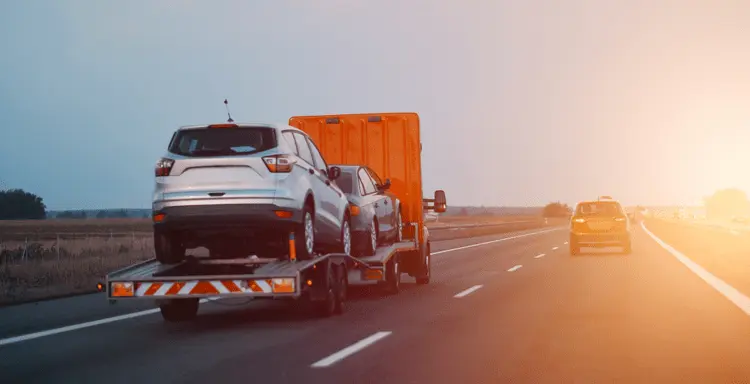
Door to door transport is a service where a carrier picks up a vehicle from a location as close as safely and legally possible to the customer’s address and delivers it near the recipient’s requested destination.
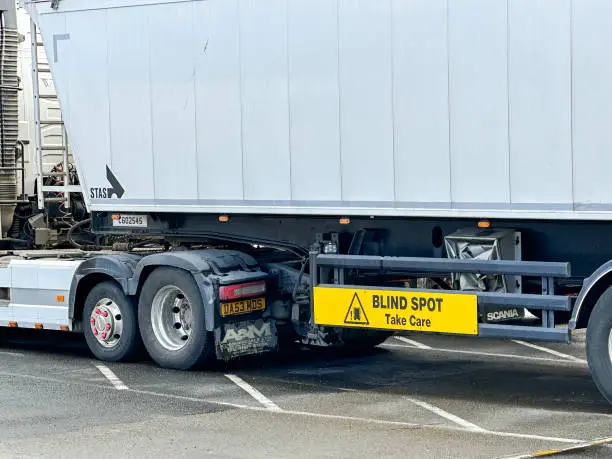
The truck might not always pull up in front of a house, despite its name. Local traffic laws, bridge clearances, neighbourhood limitations, and road safety criteria must all be followed by large auto transporters. Drivers usually work with customers to schedule pickup or delivery at a nearby parking lot, shopping center, or other accessible place if direct access isn’t feasible.
This flexible approach lets customers avoid long trips to shipping terminals while still receiving personalized service.
The Shift Away from Terminal-to-Terminal Shipping
Previously, terminal-to-terminal shipping was common. Customers dropped off vehicles at designated terminals, where they remained until a carrier transported them to another terminal near the destination.
Although this system still exists in limited situations, it has become much less common due to several disadvantages:
- Additional travel time for customers
- Storage fees at terminals
- Longer overall shipping timelines
- Limited terminal locations
- Increased handling of vehicles
- Less scheduling flexibility
Today’s customers expect services that accommodate their schedules, rather than requiring them to adjust to transportation logistics. Door-to-door transport addresses these challenges by reducing unnecessary steps and streamlining the shipping process.
Why Convenience Is Driving Industry Demand
Consumers now expect convenience in nearly every industry. Online shopping, grocery delivery, and even furniture, appliances, and healthcare services are increasingly being brought directly to customers.
Auto transport reflects this trend. Customers now schedule pickup and delivery at convenient locations, eliminating the need to travel to distant terminals. This convenience is especially valuable for:
- Families relocating across states
- Military personnel receiving new assignments
- College students moving between home and campus
- Snowbirds traveling seasonally
- Online vehicle buyers
- Dealership inventory managers
- Fleet operators
By saving hours of driving before and after shipping, door-to-door service is often the most practical option.
Reduced Stress Throughout the Shipping Process
Shipping a vehicle requires coordinating schedules, preparing paperwork, and arranging transportation. Eliminating terminal visits significantly reduces the customer’s workload. Instead of worrying about:
- Finding the nearest terminal
- Arranging rides to and from drop-off locations
- Coordinating terminal operating hours
- Paying potential storage charges
Customers simply meet the driver at an agreed location. This streamlined process makes vehicle shipping less intimidating, especially for first-time customers.
Improved Vehicle Safety Through Fewer Transfers
Each time a vehicle changes location or handler, the risk of accidental damage increases. Terminal shipping often involves multiple movements:
- The customer drives to the terminal
- Terminal employees move the vehicle
- Carrier loads the vehicle
- Destination terminal unloads the vehicle
- Terminal staff move the vehicle again
- Customer retrieves vehicle
Door-to-door transport significantly reduces handling points. The process typically involves:
- Customer meets carrier
- The vehicle is loaded
- Vehicle transported
- Vehicle unloaded at destination
- Customer receives vehicle
Fewer transfers mean fewer opportunities for scratches, dents, or accidental mishandling.
Better Communication Between Drivers and Customers
Modern logistics technology has changed how drivers and dispatch teams communicate with customers. Today, they often use tools like:
- Phone calls
- Text messaging
- GPS navigation
- Electronic dispatch systems
- Digital scheduling software
Door-to-door service makes it easier for customers and drivers to talk directly. Before pickup or delivery, drivers usually reach out to customers to:
- Confirm timing
- Verify addresses
- Discuss access restrictions
- Coordinate alternative meeting locations if necessary
This kind of communication makes the shipping process clearer and helps avoid misunderstandings.
Growing Popularity of Online Vehicle Purchases
Door-to-door transport is more popular now, partly because more people are buying vehicles online. Customers now get vehicles from:
- Online dealerships
- Independent sellers
- Auto auctions
- Manufacturer websites
- Specialty collectors
Many buyers get vehicles from far away, sometimes hundreds or thousands of miles. After buying, they want the car delivered in the easiest way possible.
With door-to-door transport, buyers do not have to travel long distances to pick up their new vehicles. This makes buying cars from far away much easier.
Supporting Interstate Relocations
Americans relocate for numerous reasons, including:
- New employment opportunities
- Military transfers
- Retirement
- Family relocation
- Educational pursuits
Moving comes with a long list of tasks. Hiring movers, switching utilities, updating your address, and planning travel can all feel overwhelming.
Door-to-door vehicle transport takes one big task off your plate, letting you focus on other parts of your move while the pros handle your car. That is why many moving companies recommend this service.
Ideal for Auto Dealerships and Fleet Management
Door-to-door shipping is not just for individual customers. Auto dealerships are using it more and more to:
- Transfer inventory between locations
- Deliver purchased vehicles directly to buyers
- Move trade-in vehicles
- Receive auction purchases
- Balance inventory across regional markets
Fleet operators also like having set pickup and delivery times, which help keep vehicles on the road and operations running smoothly. For businesses with many vehicles, this can lead to big cost savings.
Flexible Pickup and Delivery Locations
Many people think door-to-door shipping is only for houses, but vehicles can usually be picked up or dropped off at many different places, such as:
- Residential neighborhoods
- Apartment complexes
- Office buildings
- Storage facilities
- Hotels
- Commercial properties
- Dealerships
- Auction facilities
- Large retail parking lots
If a large transport truck cannot safely get into a neighborhood, the driver will arrange to meet you at a nearby spot that is safe and easy to reach. This flexibility helps carriers serve almost every area in the country.
Technology Has Made Door-to-Door Shipping More Efficient
The logistics industry now uses new technology to make shipping more efficient and improve the customer experience. Today, many carriers use:
- GPS Route Optimization
Routing software helps drivers avoid extra miles and plan the best pickup and delivery times.
- Electronic Vehicle Inspections
Digital inspection reports with time-stamped photos provide clear records before and after transport.
- Real-Time Dispatch Systems
Dispatchers keep track of the carrier’s progress and share updates about the schedule when needed.
- Digital Documentation
Electronic bills of lading make paperwork easier and help keep records accurate.
Door-to-door shipment is now quicker, more dependable, and simpler to handle than ever thanks to these innovations.
Cost Differences Are Smaller Than Many People Expect
Many customers think door-to-door transport is much more expensive than terminal shipping, but the price difference is usually small. Here are a few reasons why:
- Fewer terminal operating expenses
- Reduced storage requirements
- Improved routing efficiency
- Greater carrier utilization
When customers also consider:
- Fuel costs
- Time spent traveling
- Lost work hours
- Hotel expenses (if applicable)
- Terminal storage fees
Door-to-door transport often gives you better value overall.
When Door-to-Door Service May Require Minor Adjustments
Door-to-door service is very convenient, but sometimes it needs a bit of flexibility. Here are some examples:
- Narrow Residential Streets
Big trucks might not be able to safely drive through narrow neighborhoods.
- Low Tree Branches
Low-hanging tree branches can make it hard for trucks to get through.
- Weight Restrictions
Some residential streets do not allow heavy trucks.
- Urban Parking Limitations
In busy downtown areas, trucks might not be allowed to stop or load.
Luckily, experienced drivers can usually find a nearby spot just a few minutes away, so your delivery stays easy and safe.
Environmental Benefits Through Optimized Logistics
Planning routes efficiently not only helps customers, but also helps the environment. By grouping shipments and choosing the best routes, carriers can:
- Reduce unnecessary mileage
- Lower fuel consumption
- Minimize empty return trips
- Increase trailer utilization
- Improve operational efficiency
When customers use shared transportation routes instead of driving long distances to terminals themselves, it cuts down on total vehicle travel. As logistics technology gets better, route planning should make auto transport even more sustainable.
What Customers Should Do Before Pickup
Customers can contribute to a seamless experience by properly preparing their vehicles, even though carriers handle transportation. The following are suggested preparations:
- Wash the vehicle to document the existing condition.
- Remove personal belongings unless otherwise permitted.
- Check tire pressure and battery condition.
- Leave approximately a quarter tank of fuel.
- Disable toll tags when appropriate.
- Remove loose exterior accessories.
- Photograph the vehicle before pickup.
- Keep one set of keys available for the driver.
These easy steps make inspections faster and help avoid delays.
The Future of Door-to-Door Auto Transport
As consumer expectations change, convenience is still one of the main reasons for new service improvements. In the future, we might see:
- Expanded shipment tracking capabilities
- AI-assisted route optimization
- Improved scheduling accuracy
- Increased electric vehicle transport specialization
- Greater integration with online vehicle marketplaces
- Enhanced digital documentation and communication
As these technologies improve, door-to-door shipping will probably get even more efficient, clearer, and easier for customers. Instead of being seen as a premium option, it will keep being the standard way to ship cars in most of the U.S. auto transport industry.
Conclusion
Door-to-door auto transport used to be just about convenience, but now it is the preferred choice for shipping cars between states. It makes things easier by cutting out extra terminal stops, reducing how many vehicles are handled, improving communication, and giving more flexible scheduling. This leads to a better experience for both individual customers and businesses.
Its widespread acceptance has been facilitated by advances in logistics technology, increased online car sales, interstate relocations, and rising consumer expectations. The procedure is nevertheless far more convenient than conventional terminal-to-terminal shipment, even though small modifications may occasionally be required due to neighbourhood or road restrictions.
As the U.S. auto transport industry keeps getting more modern, door-to-door service will likely stay the top choice for moving vehicles safely, efficiently, and easily across the country.