When a Trucking Company Ignores Warning Signs of Mechanical Trouble
A commercial truck can become extremely dangerous when mechanical problems are ignored. Trucks travel long distances, carry heavy loads, and depend on working brakes, tires, lights, steering, and safety systems.
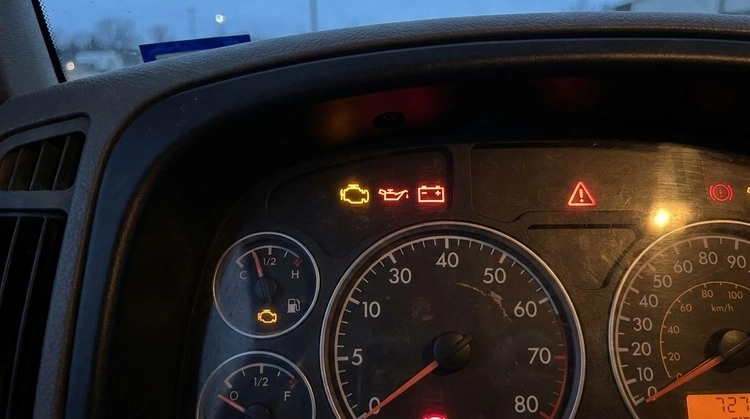
Mechanical trouble does not always happen without warning. A driver may report weak brakes, worn tires, shaking, pulling, strange noises, warning lights, or fluid leaks before a crash. When a trucking company ignores those signs and keeps the truck on the road, the crash may point to more than a simple equipment failure. It may show that the company had a chance to prevent harm.
Small Warning Signs Can Become Serious Hazards
Many truck problems begin with small changes. The truck may take longer to stop, drift to one side, shake at highway speed, or make an unusual sound. A warning light may appear, or a driver may notice that the brakes, steering, or tires do not feel right.
A small issue can become dangerous during a long route, steep hill, heavy load, or sudden stop in traffic. A company that keeps using a truck despite warning signs may be putting everyone nearby at risk.
Driver Complaints Should Be Taken Seriously
Truck drivers are often the first people to notice a mechanical problem. They may tell dispatch, write a report, enter a note into a system, or speak with maintenance staff. These complaints may involve brakes, tires, lights, steering, engine trouble, or trailer problems.
If the company receives a complaint but does not inspect or repair the truck, that decision can become important later. A driver’s report may show that the company knew the vehicle needed attention before the accident happened.
Inspection Records May Reveal a Pattern
Commercial trucks should be inspected regularly. Inspection records can show whether problems were found, whether repairs were recommended, and whether the truck was allowed back on the road.
If records show worn brakes, tire damage, steering concerns, or fluid leaks over and over, the company may have had several chances to fix the danger before the crash. These records can help show whether the problem was known.
Brake Trouble Can Cause Severe Crashes
Brakes are one of the most important safety systems on a truck. A loaded truck already needs more distance to stop than a passenger car. If the brakes are worn, poorly adjusted, overheated, or not repaired correctly, the driver may be unable to stop in time.
Brake problems can lead to rear-end crashes, jackknife accidents, underride collisions, or pileups. Investigators may review brake measurements, repair logs, inspection reports, driver statements, and electronic data to learn whether the truck should have been taken out of service.
Tire Problems Can Lead to Loss of Control
Tires also play a major role in truck safety. Bald tires, damaged sidewalls, underinflation, overloading, or mismatched tires can increase the risk of a blowout or loss of control.
A tire failure at highway speed can cause the truck to swerve, scatter debris, or strike nearby vehicles. If the company ignored visible wear, prior complaints, or inspection warnings, the tire failure may have been preventable.
Steering and Suspension Issues Matter
A truck must respond properly when the driver steers, brakes, or changes lanes. Steering and suspension problems can make the vehicle harder to control, especially at higher speeds or with heavy cargo.
Drivers may describe looseness, shaking, pulling, or difficulty keeping the truck straight. These complaints require prompt attention. If repairs are delayed, the truck may become unsafe for the driver and everyone around it.
Maintenance Shortcuts Can Put Schedules Over Safety
Repairs cost money, and taking a truck out of service can delay deliveries. But saving time or money does not excuse unsafe choices. A trucking company should not keep using a vehicle that needs serious maintenance.
During a truck crash investigation, a legal team such as Seattle Injury Law may review maintenance records, inspection history, repair invoices, driver complaints, and company policies to see whether safety was ignored.
Dispatch Pressure Can Make Problems Worse
Sometimes drivers feel pressure to keep moving even when a truck has problems. A dispatcher or manager may tell the driver to finish the route before bringing the vehicle in for service. A company may focus more on deadlines than safety.
This can create a dangerous pattern. If drivers are discouraged from reporting problems or punished for delays, mechanical trouble may go unaddressed until a crash occurs. The company’s safety culture may become part of the investigation.
Repair Records Can Show What Actually Happened
Repair records can help answer key questions. Was the truck recently serviced? Were parts replaced? Was the same problem reported before? Did a mechanic recommend repairs that were delayed?
Invoices, maintenance notes, parts orders, and inspection reports may show whether the company made a real repair or simply kept the truck moving. These records can also reveal whether the problem existed long before the crash.
More Than One Party May Be Responsible
Mechanical failure may involve more than the trucking company. A repair shop may have done poor work. A parts maker may have produced a defective part. A loading company may have overloaded the trailer and added stress to the brakes or tires.
Many truck crashes happen because several failures came together, not because of one mistake alone. Looking at each possible cause can help identify everyone who may share responsibility.
Preserving the Truck Is Critical
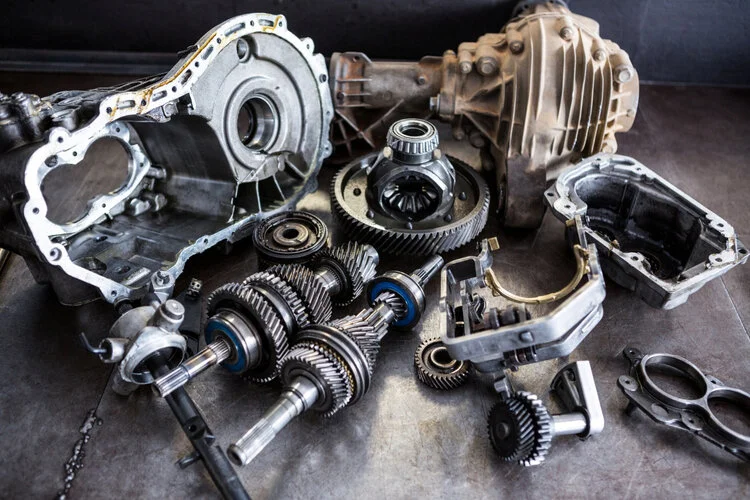
The truck itself may contain key evidence. Tire fragments, brake parts, fluid leaks, warning lights, damaged steering parts, and electronic data may help explain what failed and when.
The truck should be preserved before repairs, disposal, or major changes. Photos, inspections, expert review, and data downloads can help protect the evidence before it disappears.
When Ignored Warnings Lead to Harm
Mechanical trouble may seem like a technical issue, but after a crash, it can become evidence of preventable harm. Driver complaints, inspection reports, repair records, missing logs, and company communications may show that the danger was known before the collision.
Trucking companies are responsible for keeping unsafe vehicles off the road. When warning signs are ignored and people are hurt, the crash may not be just an accident. It may be the result of choices that placed schedules, savings, or convenience ahead of public safety.