Midsize SUV with Best Gas Mileage
Picking a midsize SUV is no longer just about size or style. Drivers want space, comfort, and strong performance, but they also want relief at the gas pump. The good news is clear: you can now have all three in one vehicle.
Automakers are pushing hard on fuel efficiency, especially in the midsize SUV segment. Hybrid powertrains, smarter aerodynamics, and lighter materials mean these SUVs use less fuel without feeling slow or boring. This guide starts by looking at why fuel-efficient midsize SUVs matter and how they actually save you money every day.
Why Choosing a Midsize SUV with Best Gas Mileage Matters
A midsize SUV is often the “sweet spot” of the market. It carries more than a compact but isn’t as bulky or thirsty as a full-size model. When you add great gas mileage to that mix, you get a vehicle that works for almost every kind of driver.
Fuel-efficient midsize SUVs are built for people who want to live normal life without constantly watching the fuel gauge. Families, commuters, and weekend travelers all benefit when every gallon goes further.
Comfort, Space, and Efficiency in One Package
Years ago, if you wanted space, you had to accept poor fuel economy. Today that trade-off is much smaller. Modern midsize SUVs offer:
- Two or three rows of comfortable seating
- Flexible cargo space for strollers, luggage, or gear
- Quiet, refined cabins that feel close to premium
At the same time, their engines and hybrids sip fuel instead of guzzling it. For many buyers, that mix of space and efficiency is far more important than raw power. The “best gas mileage” midsize SUVs focus on what people use every day: calm cruising, easy passing power, and low running costs.
How Fuel-Efficient Midsize SUVs Help Your Wallet and the Planet
Fuel-efficient midsize SUVs save money in a way you feel every week. Lower fuel use means fewer stops at the pump, which adds up over years of ownership. If you commute daily or drive long distances, the savings can be huge.
They also help cut emissions. Burning less fuel means less CO₂ released into the atmosphere. For buyers who care about climate impact but still need a family vehicle, a high-mpg midsize SUV is a realistic compromise between life needs and environmental responsibility.
What Makes SUVs Fuel-Efficient?
Not every midsize SUV is efficient by default. The models that stand out share certain traits. They use smarter engines, better aerodynamics, and software that squeezes more miles out of each gallon.
The idea is simple: reduce waste wherever possible. That can mean capturing energy when you brake, shutting the engine off at stoplights, or letting an electric motor handle slow-speed driving.
Hybrid and Plug-In Hybrid Powertrains
For many of the top-rated models, the powertrain is the main reason behind their strong fuel economy.
Hybrid Midsize SUVs
A hybrid midsize SUV pairs a traditional gas engine with one or more electric motors. At low speeds or in light driving, the electric motor can move the vehicle with very little fuel use. When you need more power, the gas engine joins in.
Key advantages of hybrid midsize SUVs include:
- Better city MPG, where stop-and-go driving usually wastes fuel
- Smoother starts from a stop
- Lower emissions than a pure gas model in the same size
Plug-In Hybrid Midsize SUVs
Plug-in hybrids (PHEVs) go one step further. They have bigger batteries and can drive on electric power alone for a set distance before the gas engine is needed. In daily life, that means many short trips can be done almost without using fuel at all.
A plug-in hybrid midsize SUV lets you:
- Charge at home and use electricity for school runs or errands
- Keep a gas engine for long trips, so range anxiety is not a problem
- Enjoy strong combined power while still posting excellent MPGe figures
Aerodynamics, Weight, and Smart Technology
Even details you do not see at a glance matter a lot for fuel economy.
Automakers shape midsize SUVs to cut through the air more cleanly. A smoother body, active grille shutters, and carefully designed rooflines reduce drag, so the engine works less at highway speeds.
Weight is another factor. Using high-strength steel, aluminum, and smarter structures helps reduce mass without making the SUV feel flimsy. Less weight means less energy needed to move the vehicle.
Electronics also play a big role:
- Start-stop systems shut the engine off when you’re stopped, then restart it when you press the pedal.
- Drive modes let you choose between eco, normal, and sport settings, so you can favor efficiency when you want.
- Regenerative braking turns slowing down into stored energy, which the hybrid system can reuse instead of wasting it as heat.
Understanding Fuel Efficiency in SUVs
Before you compare models, it helps to understand how fuel economy is described. The most common terms you will see are city MPG, highway MPG, combined MPG, and, for some models, MPGe.
City, Highway, and Combined MPG Explained
City MPG reflects how an SUV performs in stop-and-go traffic. It matters most if you drive in dense urban areas or heavy congestion.
Highway MPG is measured at steady speeds. That number matters more if you spend a lot of time on freeways or long trips.
Combined MPG is a blend of the two and gives a single number that many shoppers find easiest to use. When you look at midsize SUVs with best gas mileage, this combined figure is usually the headliner because it captures an average of real use.
What MPGe Means for Plug-In Models
For plug-in hybrid midsize SUVs, you will often see MPGe instead of just MPG. MPGe stands for “miles per gallon equivalent.” It shows how far the vehicle can travel using the energy equal to one gallon of gasoline.
It may look confusing at first, but the rule is simple: a higher MPGe means better overall efficiency when you factor in both electricity and gas. If you often charge at home and drive within the electric range, a plug-in model can cut running costs sharply.
Benefits of Using a Midsize SUV with Best Gas Mileage
Owning a fuel-efficient midsize SUV changes the way you feel about driving. You still have room for family, luggage, or gear, but you do not dread long distances in the same way.
Cost Savings Over the Life of the Vehicle
Fuel is one of the biggest long-term costs of owning an SUV. When you choose a model with high combined MPG or strong MPGe, you reduce that cost every month. Over five or ten years, the total savings can rival thousands of dollars.
This is also where reliability and model choice matter. For example, when buyers look at used crossovers, they often study years-to-avoid articles, such as a Mazda CX-5 reliability and years-to-avoid guide, to protect themselves from expensive repairs that wipe out fuel savings. A wise fuel-efficient pick is not just cheap on gas; it also avoids known trouble years.
Extended Range and Strong Resale Value
Efficient midsize SUVs also offer longer range per tank, which makes them great for road trips. You spend more time driving and less time hunting for fuel on a busy weekend.
Because more shoppers now care about fuel economy and emissions, fuel-efficient SUVs tend to hold their value better. When it is time to sell or trade in, that demand often shows up in stronger resale prices.
Factors Affecting Gas Mileage in SUVs
Not all midsize SUVs with “good MPG” are built the same. Two models can share the same size and still return very different fuel economy numbers. That gap comes from a mix of engine design, weight, aerodynamics, and even how and where you drive.
Engine tuning, gear ratios, and software all work together. Some SUVs focus on smooth power delivery, while others lean harder into efficiency. When you compare midsize SUVs, it helps to look past the badge and study what sits under the hood and how the vehicle is set up.
Engine Type and Powertrain Layout
The engine is still the biggest factor. Traditional gas engines have improved a lot, but hybrids and plug-in hybrids usually lead on combined MPG.
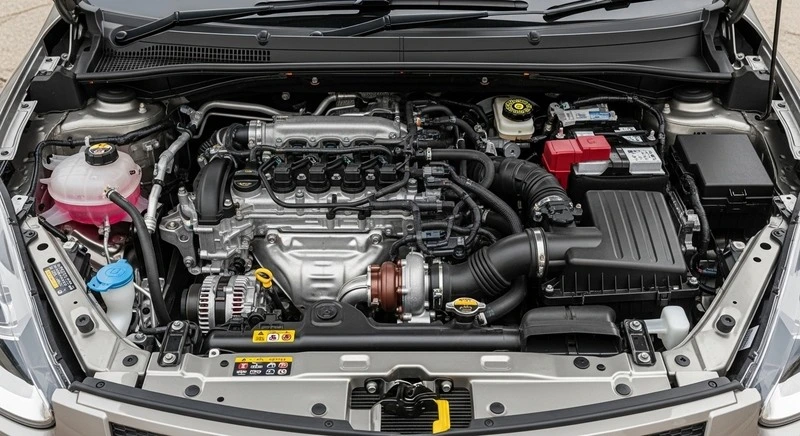
Turbocharged four-cylinder engines are common in midsize SUVs now. They offer decent power and better fuel use than older V6 engines. Hybrids go further by letting an electric motor handle some of the load, especially in city driving, where stop-and-go traffic can hurt fuel economy the most.
Weight, Design, and Driving Conditions
Heavy vehicles always need more energy. That’s why lighter platforms and high-strength materials matter. A heavy three-row SUV can still be efficient, but it has to work harder than a leaner two-row model.
Aerodynamics also play a role. A sleek roofline, smooth body sides, and careful air management help cut drag. This is most clear at highway speeds, where a boxy shape can cost you several miles per gallon.
Driving conditions finish the picture. Short trips, cold weather, and aggressive throttle use burn more fuel than a gentle highway commute. Even the best-rated midsize SUV will see lower numbers if it is always driven hard or poorly maintained.
Hybrid vs. Traditional Engine: What’s More Fuel Efficient?
For most drivers, hybrid powertrains win on pure fuel economy. But that doesn’t mean gas-only engines are dead. It depends on how you drive and what you tow or carry.
Hybrid midsize SUVs shine in city driving, mixed commutes, and long-term ownership. Gas engines still appeal to buyers who want strong towing, lower upfront cost, or simpler hardware.
How Hybrid Engines Work in Midsize SUVs
A hybrid midsize SUV combines a gas engine, electric motor, battery pack, and control software. At low speeds or light loads, the electric motor can move the SUV by itself or assist the engine. When you need more power, both work together.
This setup reduces fuel use by:
- Using electricity instead of gas at key moments
- Recovering energy when you brake
- Allowing the engine to shut off when not needed
The result is higher MPG, especially in stop-and-go city traffic.
Gas-Powered Midsize SUVs Competition
Modern gas-powered midsize SUVs use turbocharging, direct injection, and smarter transmissions to close the gap. Models like the Nissan Rogue or Chevrolet Blazer can deliver respectable mileage while still offering strong passing power.
They usually cannot match a hybrid’s combined MPG, but they can come close enough that some buyers accept the trade in return for lower purchase price or higher tow ratings.
How We Ranked the Midsize SUV with Best Gas Mileage
To make sense of the crowded market, this guide looks at more than one number. A midsize SUV with best gas mileage also has to live well in the real world.
We used a mix of:
- Combined MPG or MPGe for a clear efficiency baseline
- City and highway ratings to show different use cases
- Space and comfort, especially for families
- Safety and technology, including driver-assist systems
- Ownership factors, such as reliability and value
This approach avoids crowning a winner on MPG alone while ignoring the way people actually use these vehicles.
Most Fuel-Efficient Midsize SUVs (Core Rankings)
Now let’s walk through some of the standout midsize SUVs that combine strong fuel economy with real everyday usability.
2024 Toyota Venza
The Toyota Venza is a dedicated hybrid, which helps it post an EPA estimate around the high-30s in combined MPG. It uses a 2.5-liter four-cylinder paired with electric motors to deliver smooth, quiet power.
Inside, the Venza feels more like a premium crossover than a basic family hauler. Soft-touch materials, supportive seats, and an intuitive infotainment system make daily driving easy. If you want a two-row midsize SUV that leans hard into efficiency without looking boring, the Venza is a strong pick.
2025 Toyota Crown Signia
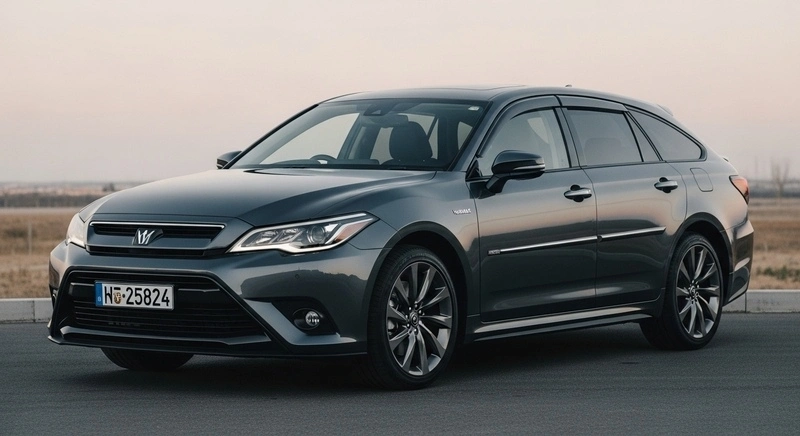
The 2025 Toyota Crown Signia is aimed at buyers who want a little more presence and luxury. It’s a hybrid-only midsize SUV with an estimated 38 MPG combined, which is impressive for its size and equipment.
The Crown Signia stands out with bold exterior lines, rich interior materials, and a long list of driver-assist features. It is a good option if you want midsize SUV practicality with near-luxury comfort and fuel numbers that won’t hurt your budget.
2024 Toyota Grand Highlander
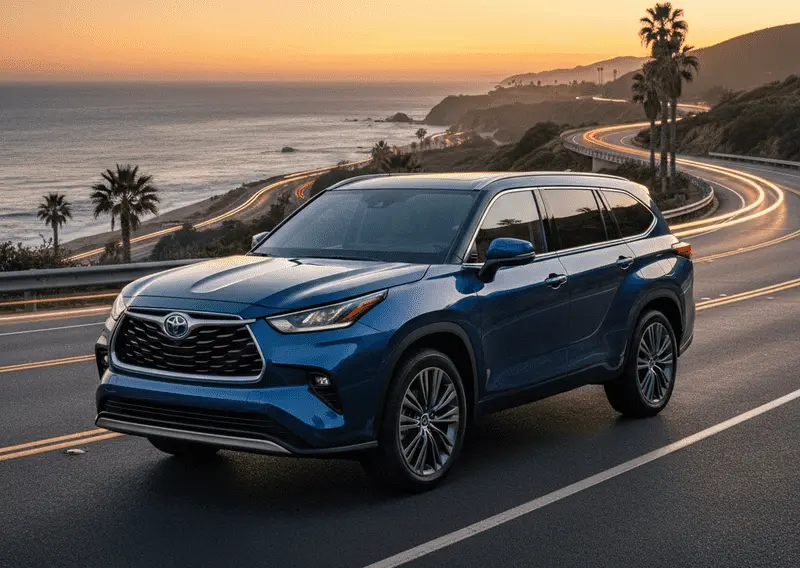
Need three rows but still care about gas mileage? The 2024 Toyota Grand Highlander Hybrid delivers around 36 MPG combined while seating up to eight. That combination of space and efficiency is rare in a vehicle this large.
The cabin is roomy, with usable third-row seating and plenty of cargo room behind it. Toyota Safety Sense 3.0 adds lane-keeping, adaptive cruise, and other active safety tools that matter on long trips with family.
2025 Kia Sorento Hybrid
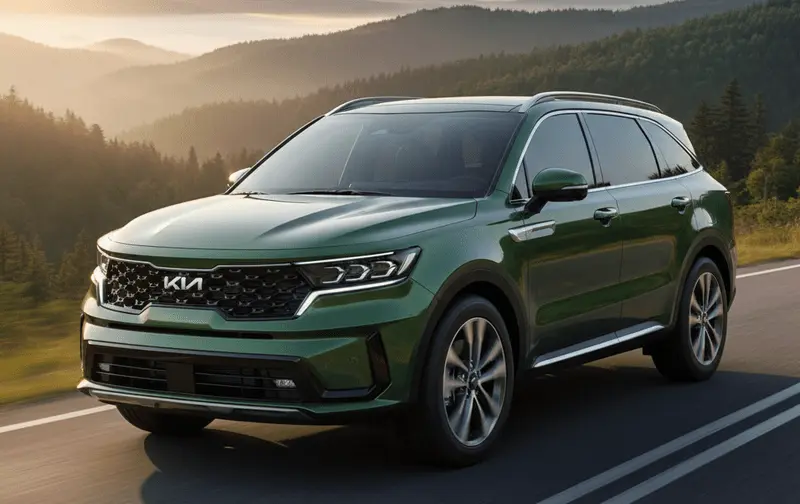
The 2025 Kia Sorento Hybrid hits around 37 MPG combined in its most efficient form. It offers three rows in a slightly smaller footprint than the Grand Highlander, making it easier to park while still giving families flexibility.
The Sorento’s cabin is modern and comfortable, with clear digital displays and a clean dashboard layout. Standard and available driver-assistance features help keep trips safe, and the hybrid system balances punchy response with low fuel use.
2025 Mazda CX-90 Plug-In Hybrid
For drivers who want plug-in capability and a richer driving experience, the 2025 Mazda CX-90 Plug-In Hybrid is a standout. With up to 56 MPGe and usable electric-only range, it can slash fuel use on short commutes while still handling long highway journeys with ease.
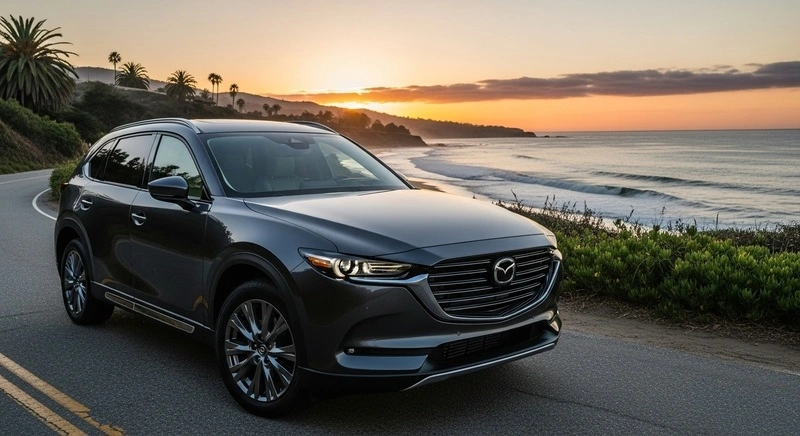
The CX-90 PHEV also leans into Mazda’s usual strengths: sharp steering, composed handling, and an upscale cabin with tasteful materials. It is a strong choice if you want a midsize SUV that feels premium behind the wheel yet still earns its place on a “best gas mileage” list.
More Fuel-Efficient Midsize SUVs
Beyond the early standouts like Venza, Crown Signia, Grand Highlander, Sorento Hybrid, and CX-90 Plug-In, there are more midsize SUVs that deserve a close look. They mix efficiency with comfort, safety, and strong tech.
2025 Toyota Highlander Hybrid
The Toyota Highlander Hybrid is one of the safest bets if you want a midsize SUV with best gas mileage and long-term dependability. It delivers around 36 MPG combined, which is impressive for a three-row SUV.
The hybrid setup uses a 2.5-liter four-cylinder and electric motors. Power comes on smoothly, the ride is calm, and Toyota’s safety suite adds lane-keeping, adaptive cruise, and more. For many families, the Highlander Hybrid is the “default” choice because it balances space, fuel economy, and reliability better than most.
2025 Lincoln Nautilus Hybrid
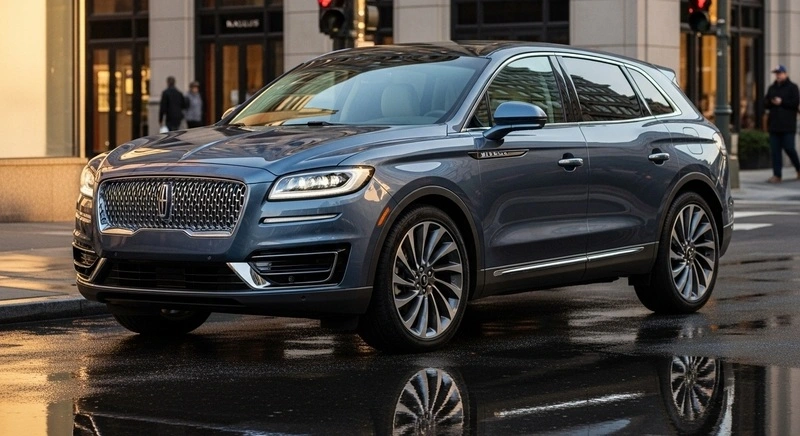
The 2025 Lincoln Nautilus Hybrid targets drivers who care about comfort first but still want reasonable fuel use. Its hybrid variant hovers around 30 MPG combined, which is solid for a luxury-leaning midsize SUV.
Inside, you get a quiet cabin, soft materials, and a relaxed driving feel. Lincoln’s Co-Pilot360 driver-assist system helps on long highway runs, and the SUV suits buyers who want a smooth, unhurried drive with fewer fuel stops than older luxury models.
Hyundai Santa Fe Plug-In Hybrid
The Hyundai Santa Fe Plug-In Hybrid sits in a sweet spot between a regular hybrid and a full EV. It can post around 33 MPG combined on gas and roughly 76 MPGe when you mix in its electric drive. The electric-only range of about 30–35 miles covers many daily commutes without burning fuel at all.
You still get the boxy new shape, a usable back seat, and strong tech, including a big screen and smart cruise systems. If your routine includes charging at home and a mix of city and highway miles, the Santa Fe PHEV can cut your fuel bill sharply.
Ford Escape Hybrid and Nissan Rogue
The Ford Escape Hybrid and Nissan Rogue sit near the compact end of the spectrum, but many shoppers cross-shop them with smaller midsize SUVs.
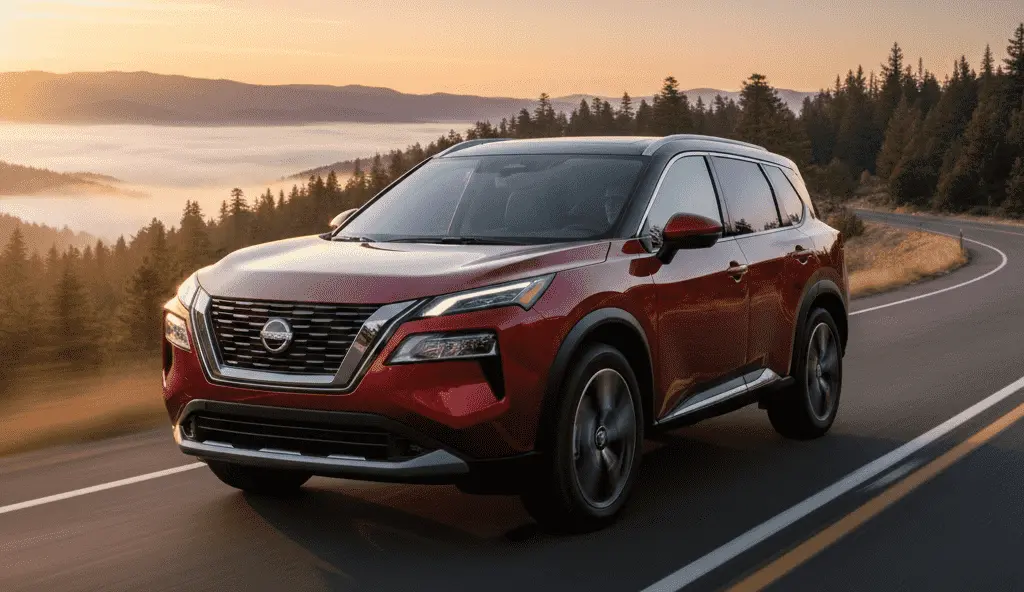
- The Escape Hybrid can reach into the low-40s MPG in city driving, which is very rare for a crossover that still feels comfortable on the highway.
- The Rogue uses a small turbo engine to reach about 33 MPG combined, while still offering a roomy cabin and ProPILOT Assist for semi-assisted driving.
If you do not need three rows, these two can deliver most of the use of a midsize SUV with fuel bills closer to a compact.
Hybrid Midsize SUV Fuel Economy vs Gas-Powered Rivals
In real use, hybrid midsize SUVs usually win on fuel economy, especially in town. They use electric power to ease away from lights and harvest energy when you brake. Gas-only rivals have to burn fuel during all of that low-speed work.
Gas-powered midsize SUVs like some trims of the Blazer or other turbo four-cylinder models can still do well on the highway. For drivers who tow often or prefer a simpler setup, they can be enough. But for mixed driving, hybrids and plug-in hybrids usually give the best balance of MPG and day-to-day comfort.
Ownership, Cost, and Long-Term Savings
Fuel-efficient SUVs do more than save gas. Their design often leads to lower wear on key parts.
Regenerative braking takes some load off the physical brakes. Electric assistance can reduce stress on the engine in heavy traffic. Over time, that can mean fewer repairs and a calmer ownership experience.
Upfront, hybrid and plug-in hybrid midsize SUVs usually cost more than similar gas models. You recover that money through:
- Lower fuel bills
- Possible tax credits or local incentives
- Higher demand on the used market
When you spread those effects over five to ten years, the total cost of ownership can be lower than a cheaper gas-only SUV that drinks more fuel and drops faster in value.
Buying Tips: New and Used Fuel-Efficient Midsize SUVs
If you’re shopping new, start by listing your real needs:
- Do you need three rows or is two enough?
- How many highway miles vs city miles do you drive?
- Can you charge at home for a plug-in hybrid?
Then compare combined MPG or MPGe and look closely at safety scores and standard driver-assist features. Often, the trims with the best MPG also include the tech that makes long drives easier.
For used fuel-efficient midsize SUVs, add a few more checks:
- Confirm the hybrid battery warranty and service history
- Scan for recalls and known problem years
- Have a trusted mechanic inspect the hybrid system and brakes
Models with strong reputations, like Highlander Hybrid or CR-V Hybrid, often cost more on the used market, but that extra money can buy peace of mind.
FAQs
On pure combined MPG, hybrids like the Venza and Highlander Hybrid sit near the top, while plug-in options such as the CX-90 PHEV or Santa Fe PHEV lead on MPGe when you drive and charge them as designed.
Most modern hybrids are not harder to live with. They often need fewer brake jobs thanks to regen, and their engines run under less stress. You just need to follow the service schedule and use a shop that understands hybrid systems.
Yes, especially if you can charge at home or work. Many plug-in hybrid midsize SUVs can cover daily errands on electricity alone and use fuel only on longer trips.
Conclusion
The best midsize SUV with gas mileage is not the same for every driver. A family that needs three rows might lean toward a Grand Highlander Hybrid or Highlander Hybrid. A commuter who can charge at home may prefer a Santa Fe Plug-In or CX-90 PHEV. Someone who wants comfort and style might choose a Crown Signia or Nautilus Hybrid.
The key is to match your real life to the strengths of the SUV. Look at combined MPG or MPGe, space, safety, and long-term costs together. When you do that, you end up with a midsize SUV that works for your budget, supports your lifestyle, and uses less fuel every time you drive.