Factors Affecting the Average Cost of Dent Repair: What to Expect
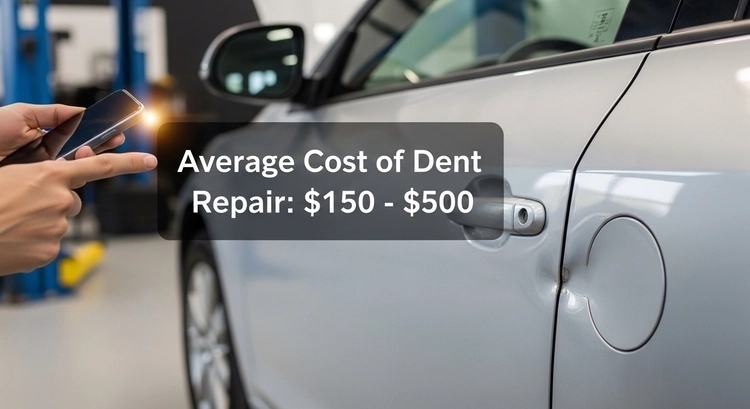
How much does dent repair cost? The answer, it may shock you to find, is that it depends. There are obvious variables, such as how big and deep the dent is, where it’s located on the vehicle, and what a given auto body shop chooses to charge. Then there are less conspicuous variables, such as the material of the vehicle panel, the cost of labor in a geographic location, and whether any other collision repair services are necessary apart from dent repair.
But what is the average cost of dent repair? Unfortunately, there’s no universal register of all dent repair services rendered each year, so we can’t simply add them all up and find the cost. However, there are multiple factors that impact it.
What is dent repair?
Dent repair is the process of fixing dents and dings on automobiles. The term most commonly refers to paintless dent repair (PDR). This is a technique that removes minor damage without repainting by gently massaging or pulling the metal back into its original shape from behind the panel, preserving the factory finish.
For larger or more complex damage, traditional methods of dent repair may involve reshaping, body filler, and repainting. However, PDR offers a faster, cheaper, and eco-friendly solution for dents where the paint is still intact.
How paintless dent repair works
The typical steps involved in dent repair are as follows:
- Assessment: An auto repair technician begins by assessing the dent’s size, depth, and location to determine if it’s a good candidate for PDR, or if another form of dent repair is necessary.
- Access: The technician accesses the back of the damaged metal panel.
- Manipulation: Using specialized tools, they carefully push and massage the metal from the inside out, occasionally using glue tabs to pull from the outside.
- Finishing: To ensure the dent repair is satisfactory, the best auto body repair shops have special lighting to help identify imperfections. This helps auto repair technicians ensure the metal is perfectly smooth and aligned with the original factory finish.
What affects dent repair?
By evaluating the dent or dents you have on your vehicle yourself, you may be able to determine a reasonable estimate before you even visit the auto body shop. Here are the factors collision repair technicians weigh before providing an estimate for dent repair cost:
Size, depth, and location of the dent
One of the biggest cost drivers is how large and deep the dent is, as well as where it’s located. Small, shallow dents on flat panels are usually quicker and less expensive to repair. Deep dents, sharp creases, or damage on curved areas, edges, or near structural components take more time and skill to fix. As such, these dent repairs typically cost more.
Repair method required
The technique the collision repair techs use matters a lot. PDR is, usually, the fastest and cheapest option because it doesn’t involve sanding, filling, and repainting, but it only works when the paint is intact and the metal hasn’t been overstretched. Conventional dent repair, which involves pulling, filling, sanding, and repainting, costs more due to additional materials and labor.
Paint damage and refinishing needs
Paintless dent repair only works if there’s no painting required. If the dent has chipped, cracked, or scraped the paint, then refinishing is necessary. This requires paint, labor for blending the paint into adjacent panels, and the technology required to match the paint exactly. All of that adds to the cost.
Vehicle make, model, and materials
Luxury vehicles and newer models often cost more to repair because of higher labor rates, specialized repair procedures, and potentially more complex panel designs. The panel material also matters aluminum, high-strength steel, and composite panels require specific tools and training, which can increase costs compared with conventional steel panels.
Accessibility and disassembly
Some dent repair involves removing interior trim, headliners, lights, or even adjacent panels to access the damaged area from behind. The more disassembly and reassembly are involved, the more labor is involved; this means higher costs.
Auto repair shop labor rates and regional factors
Labor rates vary by region, shop type, and technician expertise. The cost of living is typically higher in urban centers than in less densely populated areas, so wages are higher in cities. Furthermore, a certified or manufacturer-approved auto body shop facility may charge more, reflecting higher training standards and equipment costs.
Hidden or secondary damage
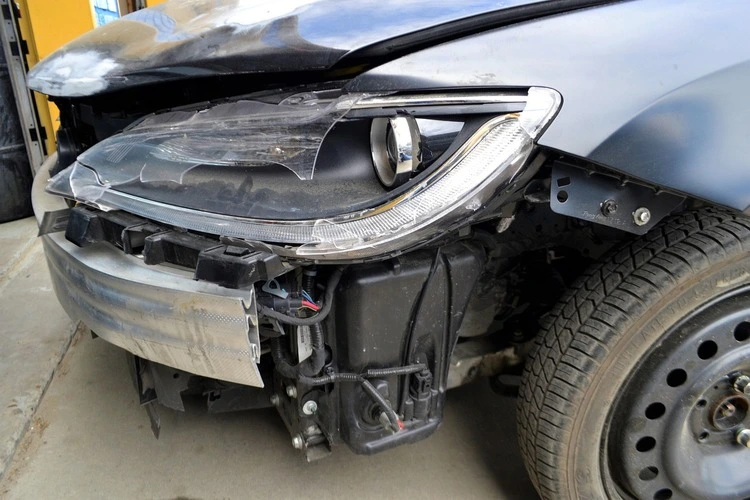
What appears to be a simple dent can sometimes conceal stretched metal, damaged mounting points, or internal bracing issues. It’s often impossible to eyeball this yourself. If the technicians discover this kind of damage during the dent repair, this can change the scope of work and increase the cost.