Evidence You’ll Need to Prove Liability in a Car Accident
Proving liability in a car accident means gathering documentation that clearly shows another driver’s actions caused the crash and your resulting damages. This typically includes police reports, photos and video, witness statements, medical records, and sometimes expert analysis. The stronger and more consistent this evidence is, the harder it becomes for an insurer to dispute fault.
Courts and insurance adjusters generally use a “preponderance of the evidence” standard when reviewing these claims. This means your evidence only needs to show it is more likely than not that the other driver was at fault, not proof beyond all reasonable doubt.
Knowing what to do after a car accident and which evidence to preserve early can make the real difference between a smooth claim and a drawn-out, costly dispute.
Police Reports
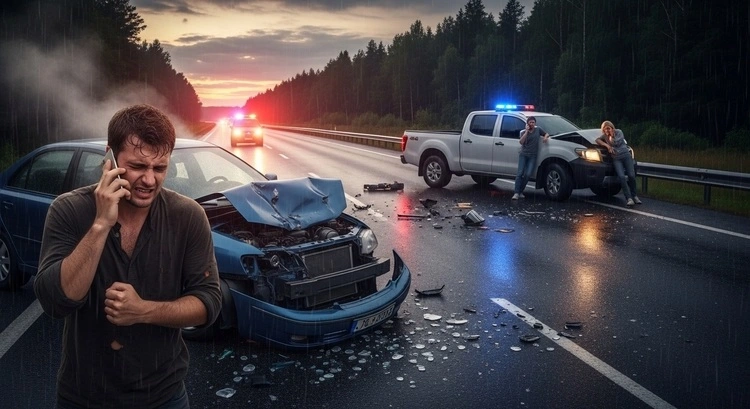
A police report is often the foundation of a car accident claim. It typically includes the responding officer’s observations, statements from drivers and witnesses, road conditions, and any citations issued at the scene. While some states treat portions of the report as hearsay in court, insurers still rely on it heavily during settlement talks.
Requesting a copy soon after the crash helps ensure key details, like weather conditions or the officer’s initial fault assessment, are preserved before memories fade or records are archived.
Photos and Physical Evidence
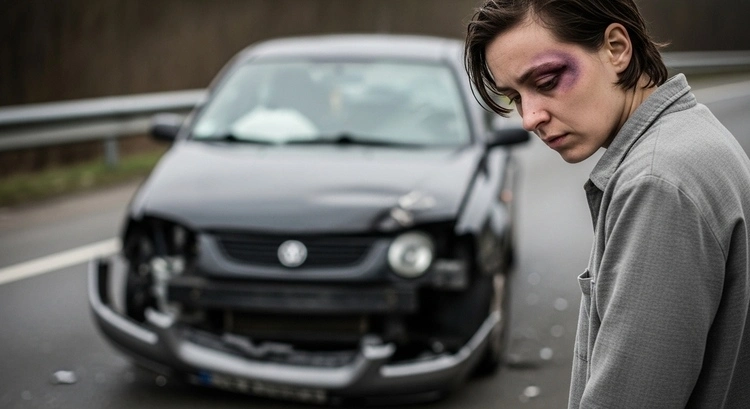
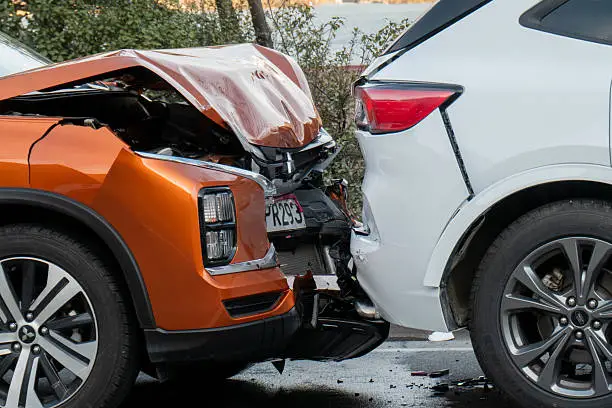
Visual evidence captures details that are easy to forget once vehicles are repaired or the scene is cleared away. Photos and videos taken close to the time of the crash tend to carry more weight than descriptions given later, especially in disputed cases. If your vehicle has already been repaired, car repair records and repair estimates can also help document the extent of the damage.
Useful shots include:
- Vehicle damage and the final resting position of each car
- Skid marks, debris, and road conditions
- Traffic signs, signals, or obstructions near the scene
- Visible injuries, when appropriate to document
Physical evidence like damaged vehicle parts, broken glass, or dislodged mirrors can also help an expert determine the force and direction of impact.
Witness Statements
Independent witnesses can support your account when the other driver disputes what happened. Their value comes from having no stake in the outcome, which makes their version of events more persuasive to insurers and juries than statements from either driver.
Collecting names and contact information at the scene is important, since witnesses can be difficult to track down once time has passed and memories start to fade.
Digital and Electronic Records
Several types of digital evidence can reveal details about speed, timing, and driver behavior that are not visible in photos or written reports.
Dashcam and Surveillance Footage
Footage from a dashcam, nearby business, or traffic camera can show exactly how the crash unfolded. Video evidence is often harder to dispute than testimony, since it does not rely on memory or perception, and it carries a timestamp.
Cell Phone Records
Phone records can show whether a driver was texting, calling, or browsing at the time of the crash, which supports a distracted driving claim and can shift how fault is assigned.
Black Box Data
Many modern vehicles have event data recorders, often called black boxes, that capture speed, braking, and airbag deployment in the moments before a collision.
Medical Records and Expert Analysis
Medical documentation connects your injuries directly to the crash and supports the damages portion of your claim. Records from the emergency room, follow-up visits, prescriptions, and any imaging help establish both the injury and its severity over time.
In more complex or heavily disputed cases, reconstruction experts can carefully analyze skid marks, vehicle damage, and other physical evidence to explain how the crash likely occurred, including the estimated speed and direction of each vehicle at impact.
Key Takeaways
- Police reports, photos, and witness statements form the core of most car accident claims.
- Evidence generally only needs to meet a “preponderance of the evidence” standard.
- Photos and video should capture vehicle damage, road conditions, and skid marks.
- Digital evidence, including dashcam footage and black box data, is often harder to dispute than testimony.
- Cell phone records can help establish distracted driving.
- Medical records connect your injuries directly to the crash.
- Expert analysis may be needed when liability is disputed or unclear.