What Makes a Junk Car Valuable in Louisiana: Parts, Metal, and Demand
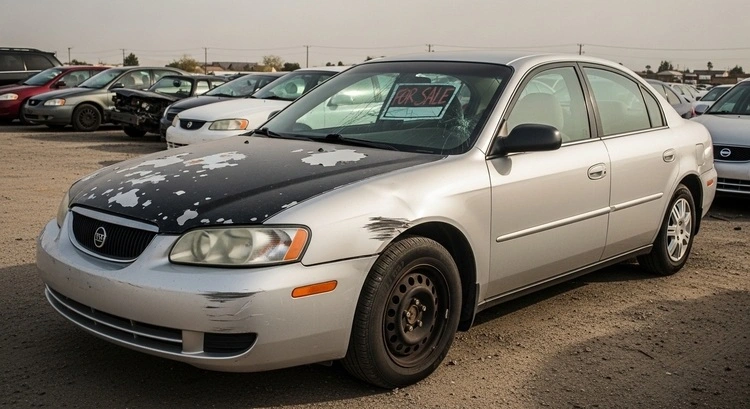
In Louisiana, a “junk car” is rarely just junk. It might be a storm-scarred sedan, a pickup that finally gave up after one too many humid summers, or a commuter car with a dashboard lit up like a tiny casino. Even when it’s not worth fixing, it can still be worth selling, because value does not disappear, it just changes shape. The trick is knowing what buyers are actually paying for, and why waiting too long can turn a decent payout into pocket change.
Louisiana Junk Car Value Starts With What Buyers Can Reuse
A junk car’s value is usually built from three buckets: reusable parts, recyclable metal, and current demand in your area. That mix decides whether your old vehicle is merely taking up space or still worth real money. And when you’re ready to get cash for your junk car in Louisiana, you’re not asking someone to “take a problem.” You’re offering a vehicle that can be parted out, recycled, or rebuilt, depending on condition, which is why two cars that look equally rough can get very different offers.
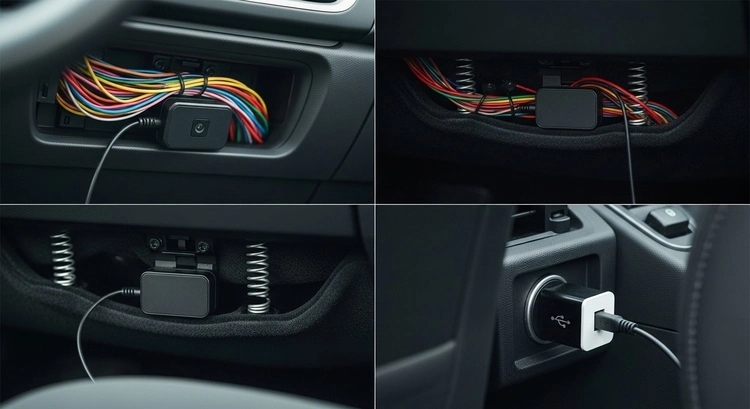
Louisiana conditions can influence this more than people expect. Heat, humidity, and flooding can knock down value fast, especially when wiring, electronics, or interiors are compromised. On the other hand, if the car still has in-demand components and the body and frame are solid enough to move easily, buyers can often work with it even if it doesn’t run.
Parts: The “Still Useful” Pieces That Boost Offers
Parts are the first thing many buyers think about, because parts can be sold individually. Certain components hold value even when the car is a mess. Engines, transmissions, alternators, starters, and air conditioning parts can matter, especially in regions where the same models are common and repairs are frequent.
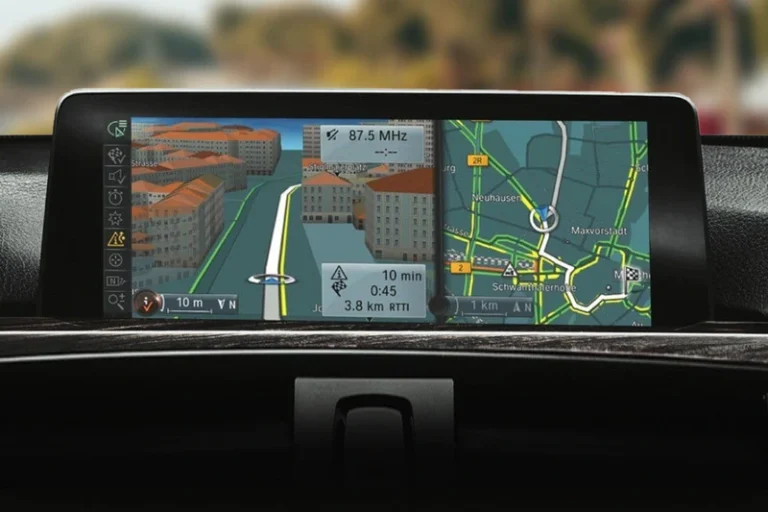
It’s not only the big pieces, either. Wheels, tires with life left, tailgates, mirrors, doors, seats, infotainment units, and even intact headlights can raise an offer. If your vehicle is a popular make and model, or shares parts with other years, demand tends to be stronger. A buyer who can resell parts quickly can afford to pay you more upfront.
Metal: Weight Matters, but It’s Not the Whole Story
When a car is too damaged for parts to make sense, metal becomes the main value. Scrap pricing can change, but the logic stays steady: heavier vehicles often bring more because there’s more steel, aluminum, and other recyclable material. Trucks, large SUVs, American muscle cars, and vans may have an edge here, especially if they’re mostly complete.
Still, metal value is not just “how heavy is it.” Missing major components can reduce weight and payout. If the catalytic converter is gone, if the wheels are missing, or if the car has been stripped, the offer often drops. The best way to protect metal-based value is to sell before the vehicle becomes a donor for random parts or a long-term yard ornament.
Demand: Why Your ZIP Code Can Change the Price
Demand is the wild card. If a certain model is popular in your area, buyers may want it for parts, and that can raise offers. If salvage rebuilders are actively looking for specific vehicles, or if certain parts are hard to source quickly, the price can climb. Even the time of year can matter, because towing availability, regional buying patterns, and inventory needs shift.
Louisiana demand can also be shaped by weather events. After storms or floods, certain parts become scarce, and buyers may pay more for vehicles that can fill those gaps. At the same time, flood-damaged cars can be harder to evaluate and resell, which can lower offers if the waterline reached electronics or the interior. That’s why accurate details help, because buyers price uncertainty cautiously.
Condition Signals That Tell Buyers “Yes” or “No”
You don’t need to be an expert to understand what buyers look for. They’re pricing effort and risk. A car that rolls, steers, and can be accessed easily is simpler to tow, inspect, and process. A car buried behind a fence with four flat tires and no key is possible, but it costs more time, and time shows up in the offer.
The quickest value signals usually come from a few points: does it start, is the title clear, are the wheels on, and is it complete? Cosmetic damage matters less than people think, but structural rust, missing parts, and flood exposure matter more. When you describe the car honestly, you help buyers give a stable quote rather than build in a “just in case” discount.
How to Sell at the Right Time Without Overthinking It
The biggest pricing mistake is waiting for the car to become “more junk” before selling. Value can drop quietly when batteries die, tires rot, tags expire, and small leaks become big ones. If your car is already not worth repairing, delaying rarely improves your payout, it usually trims it.
A simple approach is to sell when the car still has something going for it: it’s complete, it can be accessed easily, and you still have the paperwork. Gather the basics, year, make, model, mileage, and known issues, then compare offers. When you treat the sale like a practical decision, you avoid sinking more money into a vehicle that has already signaled it’s done.
Turn What’s Left Into Something Useful
A junk car in Louisiana has value because it can still serve a purpose, even if it won’t serve you on the road anymore. Parts get a second life, metal gets recycled, and demand decides how quickly a buyer can turn the vehicle into something usable. When you understand those three forces, the process stops feeling random and starts feeling fair.
If your car is sitting, damaged, or draining your attention, selling now protects what it still has left. You’re not selling a lost cause; you’re cashing out what remains before heat, humidity, and time take another bite. Turn what you still have, the parts, the metal, and the demand, into a clean payout and a clear driveway.