Understanding Injury Claims: Rights, Risks, and Recovery
xTulsa’s economy is built around industries that carry real physical risk. The oil and gas sector drives a substantial portion of employment across the city and the surrounding counties. Construction activity is ongoing across commercial corridors and suburban developments. Trucking and logistics move through the city’s highway network constantly. All of this activity creates a consistent pattern of serious injuries and a legal landscape where the type of accident matters as much as the injury itself when building a claim.
Personal injury law covers a broader range of situations than most people realize. Many people can benefit by speaking with a Tulsa personal injury lawyer to know their position better. Understanding which category a particular accident falls into, what legal standards apply, and who the liable parties are determines both the viability and the value of a claim.
Car and Highway Accidents
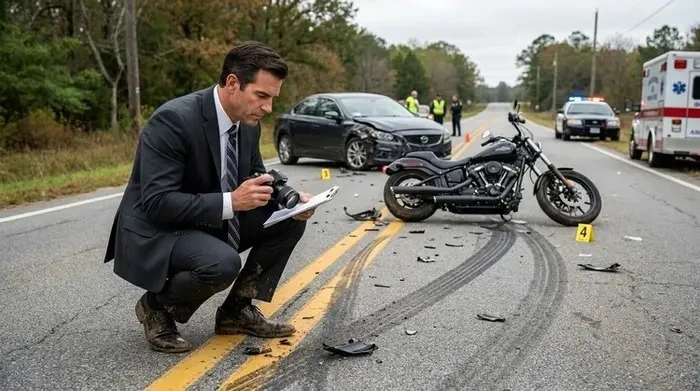
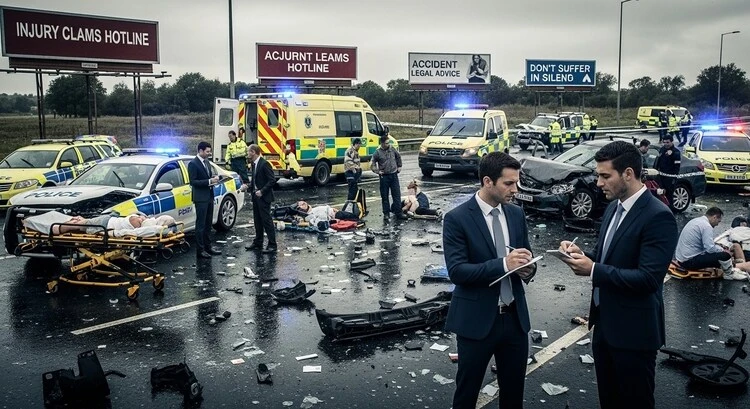
Interstate 44 and Highway 169 are two of the most accident-prone corridors in Tulsa County. I-44 carries heavy commercial truck traffic between Tulsa and Oklahoma City, while Highway 169 runs north to south through the urban core, mixing local commuter traffic with long-distance travel. High speeds, construction zones, and varying driver familiarity with road conditions all contribute to frequent crashes on both routes.
Highway accident cases often involve multiple potentially liable parties. A lawyer investigates every contributing factor of an accident, like the driver’s behavior, vehicle maintenance records, traffic signal timing, road design, and commercial carrier compliance with federal regulations.
Truck Accident and Federal Compliance
Commercial truck accidents produce some of the most severe injuries seen in personal injury caseloads, simply because of the physics involved. The size and weight of an 18-wheeler relative to a passenger vehicle mean that even a moderate speed collision can be catastrophic for the occupants of the smaller vehicle.
These cases involve a layer of federal regulatory complexity that does not exist in standard car accident claims. The Federal Motor Carrier Safety Administration sets requirements for driver hours, vehicle maintenance, cargo loading, and carrier licensing. Violations can establish negligence on the part of the carrier, not just the individual driver.
Motorcycle, Bicycle, and Pedestrian Accidents
Tulsa’s expanding bike lane network and walkable downtown districts have increased foot and cycle traffic throughout the city. Unfortunately, inattentive drivers represent a persistent hazard for riders and pedestrians alike. According to data, motorcyclists face a significantly higher risk of fatal injury in collisions than occupants of enclosed vehicles.
Oklahoma law requires motorcyclists to carry liability insurance and follow the same traffic laws as other vehicles. When a driver fails to yield, makes an improper lane change, or simply does not see a rider or pedestrian, it can result in injuries like traumatic brain injuries, spinal damage, and fractures that require months of rehabilitation.
Workplace and Oil Field Injuries
A category of employment injuries with its own legal implications is created by Oklahoma’s energy sector. Workers’ compensation may cover certain damages in the event of an injury on an oil field or at an industrial site, but third-party liability claims are often also available. Claims that go beyond workers’ compensation may be supported by equipment flaws, contractor carelessness, and hazardous site circumstances.
Product liability cases fall into this space as well. When defective industrial equipment, automotive components, or consumer products cause injury, Oklahoma law allows recovery from manufacturers, distributors, and retailers, not just the employer or property owner.
Slip and Fall and Premises Liability
Property owners in Tulsa carry a legal duty to maintain safe conditions for anyone lawfully on their premises. When a commercial property like a shopping center, restaurant, or parking structure has a hazard that the owner knew about or should have identified through reasonable inspection, and that hazard causes injury. In such a case, a premises liability claim may follow.
These cases often turn on the timeline:
- How long did the dangerous condition exist?
- What steps did the property owner take to address this?
Surveillance footage, maintenance records, and incident reports are all relevant and need to be preserved quickly.
Oklahoma’s Two-Year Statute of Limitations
In Oklahoma, personal injury claims must be filed within two years of the date of the injury. Regardless of how solid the underlying case may be, missing that window destroys the opportunity to seek compensation. Prompt action safeguards the quality of accessible evidence as well as the legal deadline.