How Distracted Driving Can Lead to Personal Injury Claims
Distracted driving can lead to personal injury claims when a driver’s lack of attention causes a crash that results in injuries or property damage. When someone is hurt because another driver was not paying attention to the road, the injured person may have the legal right to seek compensation.
These claims typically cover medical expenses, lost wages, and other damages related to the accident. Many personal injury cases arise from distracted driving accidents, which are increasingly common on modern roads.
If a driver causes harm because they were distracted while driving, they may be held legally responsible. Personal injury claims help victims recover financial support for the losses they experience after an accident.
What Distracted Driving Means
Distracted driving occurs when a driver takes their attention away from operating the vehicle safely. Driving requires constant focus, and even a brief distraction can increase the risk of a crash.
Distractions usually fall into three main categories:
- Visual distractions that take the driver’s eyes off the road
- Manual distractions that remove hands from the steering wheel
- Cognitive distractions that take the driver’s mind off driving
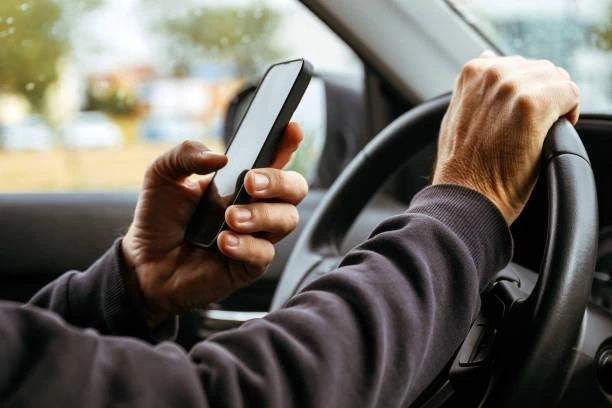
For example, checking a phone message while driving can involve all three types of distractions at the same time.
Because of these risks, distracted driving is considered one of the leading causes of traffic accidents.
Common Types of Driving Distractions
Many everyday activities can become dangerous distractions while driving. Although some may seem harmless, they can significantly reduce a driver’s awareness of surrounding traffic.
Common distractions include:
- Texting or using a mobile phone
- Adjusting navigation systems
- Eating or drinking
- Talking with passengers
- Changing music or radio stations
- Looking at roadside events or billboards
Texting while driving is often considered one of the most dangerous distractions because it takes attention away from the road for several seconds.
Even a short distraction can prevent a driver from reacting quickly to sudden changes in traffic conditions.
How Distracted Driving Causes Accidents
When drivers lose focus, their ability to react to hazards decreases. They may fail to notice traffic signals, stop signs, or other vehicles on the road.
Distracted drivers may:
- Miss traffic lights or stop signs
- Drift into another lane
- Fail to brake in time
- Follow other vehicles too closely
These mistakes can quickly lead to collisions, especially in busy traffic areas or at intersections.
Because distracted driving often involves preventable behavior, it can be considered negligence in personal injury cases.
When a Personal Injury Claim May Be Filed
After an accident caused by a distracted driver, injured victims may have the right to file a personal injury claim. These claims aim to recover compensation for losses caused by the accident.
Common damages in personal injury claims include:
- Medical expenses
- Rehabilitation or therapy costs
- Lost wages from missed work
- Property damage
- Pain and suffering
The goal of a personal injury claim is to help the injured person recover financially and move forward after the accident.
In many cases, the claim is filed through the at-fault driver’s insurance company.
Proving Distracted Driving in a Claim
To succeed in a personal injury case, the injured person must show that the other driver was responsible for the accident. Evidence plays a key role in proving distracted driving.
Helpful evidence may include:
- Police accident reports
- Witness statements
- Traffic camera or dashcam footage
- Mobile phone records
- Photos from the accident scene
This information can help demonstrate that the driver was distracted and failed to operate the vehicle safely.
Strong evidence increases the chances of receiving fair compensation.
Preventing Distracted Driving
Although legal claims help victims recover damages, preventing distracted driving remains the best way to reduce accidents.
Drivers can improve safety by following simple habits:
- Put phones away while driving
- Use hands-free technology if necessary
- Set navigation before starting the trip
- Avoid eating or multitasking while driving
- Focus fully on driving conditions
Even small steps can significantly reduce the risk of accidents.
Safe driving practices protect not only the driver but also passengers, pedestrians, and other road users.
Why Awareness Matters
Distracted driving is a preventable problem that continues to affect thousands of people every year. Raising awareness about its risks helps drivers understand how dangerous distractions can be.
When drivers stay focused on the road, they reduce the chances of causing accidents and potential personal injury claims.
Understanding the legal consequences of distracted driving also encourages safer driving behavior and greater responsibility on the road.
Key Takeaways
- Distracted driving can lead to personal injury claims when it causes accidents and injuries.
- Common distractions include texting, phone use, eating, and adjusting devices while driving.
- Loss of attention can cause drivers to miss signals, drift lanes, or fail to brake in time.
- Victims of distracted driving accidents may seek compensation for medical costs, lost wages, and other damages.
- Evidence such as police reports, witness statements, and phone records can help prove distracted driving.
- Practicing focused driving habits can reduce the risk of accidents and injuries.
- Increasing awareness about distracted driving helps promote safer roads and responsible driving behavior.