Improving Vehicle Repair Efficiency with ADAS Calibration Technology
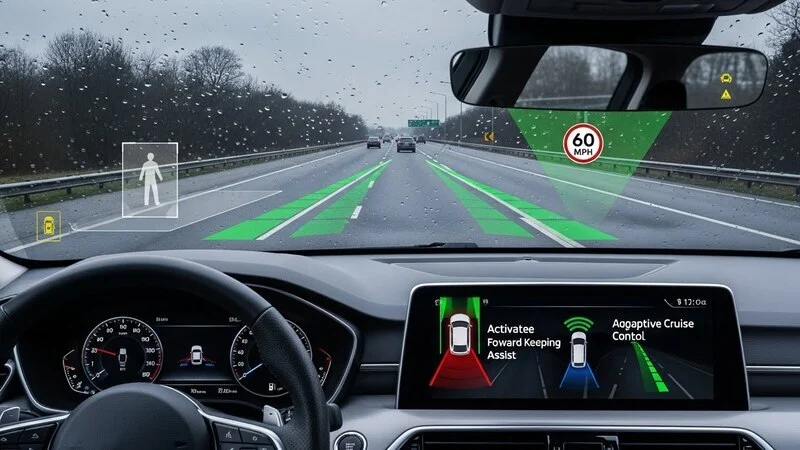
Nowadays, automotive repairing and maintenance is becoming a tough job. An important trend of late is the proliferation of Advanced Driver-Assistance Systems (ADAS). These technologies are responsible for vehicle protection and performance enhancement. The adaptive cruise controls, like the self-driving cars, are systems that require a lot of calibration to function. The lane-keeping assist, adaptive cruise control, automatic emergency braking, and blind-spot detection all need a lot of calibration to work, being perfect examples of such systems. Having ADAS calibration technology is critical for any shop that wants to keep doing effective work and making quality repairs.
Repair shops are keen to improve their operations through accurate service provision, enabled by calibrated equipment and tools. The John Bean ADAS calibration system has the potential to change the game for professionals in the repairs and calibration of vehicles. ADAS calibration technology has markedly enhanced repair efficiency; this article examines the results achieved using John Bean calibration equipment.
The emergence of advanced driver-assistance systems and vehicle repair
Many modern vehicles are fitted with Advanced Driver-Assistance Systems. The National Highway Traffic Safety Administration (NHTSA) has reported that almost 80 percent of new cars, 2021 came with some level of ADAS. They help cut down human error, avoid accidents, and hence save lives, basically. The technologies they implement are also creating additional challenges for repairmen, requiring them to ensure systems remain calibrated following repairs, replacements, and accidents.
The technology that drives ADAS uses an arrangement of sensors, cameras, radar, and LiDAR (Light Detection and Ranging) systems that are fitted around the car. The systems must need to be aligned perfectly. Minor calibration errors can cause key safety systems, like emergency brakes and collision warnings, to stop working. When a roadside diagnosis gives a false alarm or the service doesn’t happen, the vehicle can expose drivers to risk.
As a Result, Accurate ADAS Calibration has grown into an Important Focus for Automotive Repair Shops. Many repair processes now require technicians to harness specialised equipment that ensures these systems are aligned properly, making ADAS calibration a part of the vehicle repair process.
ADAS Calibration Challenges
As demand for ADAS calibration rises, so does the complexity of performing it correctly. ADAS-equipped vehicles have complicated systems that rely on precise placement, alignmen,t and calibration of sensors. Rephrased: This process necessitates knowledge of the vehicle model and the calibration requirements of the manufacturer, which vary from manufacturer to manufacturer – often hugely so.
To ensure the accurate alignment of the sensors and cameras, calibration procedures often necessitate that the vehicle be driven in certain conditions or placed on specially designed calibration targets. To achieve this, special equipment is required to measure the angle and position of the sensors, which requires high precision.
For a lot of repair shops, the solution lies in advanced ADAS calibration technology capable of tackling the multiple complexities associated with these systems. Through the John Bean ADAS calibration system, technicians can ensure the accurate, effective, and safe calibration of these systems.
How ADAS calibration systems from John Bean enhance efficiency
A leader in the automotive service equipment market, John Bean has developed ADAS calibration technology that is enhancing the accuracy and efficiency of calibration processes in repair shops. The John Bean ADAS calibration systems are designed to meet the growing demand for precision and speed in vehicle repairs.
The John Bean system allows extensive coverage calibration on all vehicles and ADAS configurations. Calibrating complex instruments is made easy and quick with the advanced technology and user-friendly interface of Williams Portables. Advanced imaging and laser technology have been used in the development of these calibration tools for sensor alignment. An excellent level of precision ensures that the ADAS systems are operating perfectly since misaligned systems can jeopardise the safety of the car.
The John Bean ADAS calibration system also minimizes the reliance on subjective measurement and eliminates the need to adjust manually. The system makes sure that the calibration takes place automatically and is carried out with accuracy and repeatability, even for complex modern vehicle ADAS systems. This reduces errors that arise due to human interference, which can cause expensive rework or worse, misalignment of the sensors in the ADAS.
Another benefit of the John Bean system is its ability to be fitted to a range of vehicles. Different manufacturers are adopting various types and combinations of sensors as ADAS technologies continue to develop. John Bean’s ADAS calibration technology can accommodate these differences, which gives repairers alone the flexibility to repair a wider range of vehicles without needing to buy multiple, specialist calibration solutions. The John Bean system gives shops incredible versatility, which helps minimize downtime between repairs and maximize the efficiency of their shop.
Improving the productivity of a repair shop with ADAS calibration
ADAS calibration technology increases shop productivity in addition to improving the quality of repairs. For automotive repairs, being able to quickly and easily do ADAS calibrations allows you to service more vehicles in a shorter amount of time. For example, using the John Bean calibration system, technicians can perform ADAS calibrations in a fraction of the time of manual or obsolete versions of calibrations.
As customers expect faster turnaround and better quality, efficiency is needed more than ever before. Repair shops capable of delivering speedy, dependable calibration services that maintain accuracy can enhance their competitive edge. In addition, handling the calibration of ADAS in-house reduces dependence on calibration services that consume a lot of time and money. By investing in a John Bean ADAS calibration system, repair shops can keep things in-house, enhancing customer satisfaction and profitability.
The advantage of time-saving ADAS calibration systems goes beyond this. They can also decrease the downtime a vehicle spends in repair. Vehicles with ADAS typically must undergo recalibration (i.e., system reconfiguration) after structural accidents or glass replacements, or suspension work. Even modifications like installing bilstein 4600 shocks can alter vehicle ride height, requiring recalibration to ensure sensors are aligned correctly. Skilled repairers will be able to bring back the safety performance of your vehicle much faster with the correct calibration tools compared to making do without.
Liability reduction and compliance assurance
The calibration of ADAS not only enhances vehicle functionalities, but its most significant purpose is to reduce liability and comply with regulations. When ADAS is not calibrated correctly, its safety features may not function properly, resulting in accidents or injuries. If a repair shop doesn’t calibrate the ADAS of a vehicle accurately, the shop can face legal action and reputational damage.
A dependable calibration system, such as the John Bean ADAS calibration tool, can allow repair shops to meet safety standards while complying with the authorities as required. To ensure that the business is de-risked from liability issues, but more importantly, to ensure the safety of the vehicle’s occupants.
In addition, some local authorities require calibration protocols for repairing cars with ADAS. Repair establishments not adhering to these rules may incur fines, penalties, or even lose their certification. In mind with these regulations, John Bean has designed its ADAS calibration systems to ensure that the repair shop meets legal requirements while delivering excellent service to customers.
Conclusion
The implementation of ADAS calibration technology in car workshops is no longer an option; it is necessary for safety, efficiency, and quality in the fast-moving repair world. Calibration has become “the new oil” as vehicles are equipped with ever-more-sophisticated technologies. Tools, for instance, the John Bean ADAS calibration system, are essential for the accurate, fast, and safe calibration of these systems.
Repair shops that want to be ahead of the competitors and provide their clients with a high-quality product need to invest in calibration technology. ADAS calibration systems enhance operational efficiency by streamlining the calibration process and increasing productivity while minimizing liability risks, thus providing continued road safety and driver satisfaction. The future of car repair promises to be exciting, thanks to the John Bean ADAS Calibration. This tool helps to make cars roadworthy.