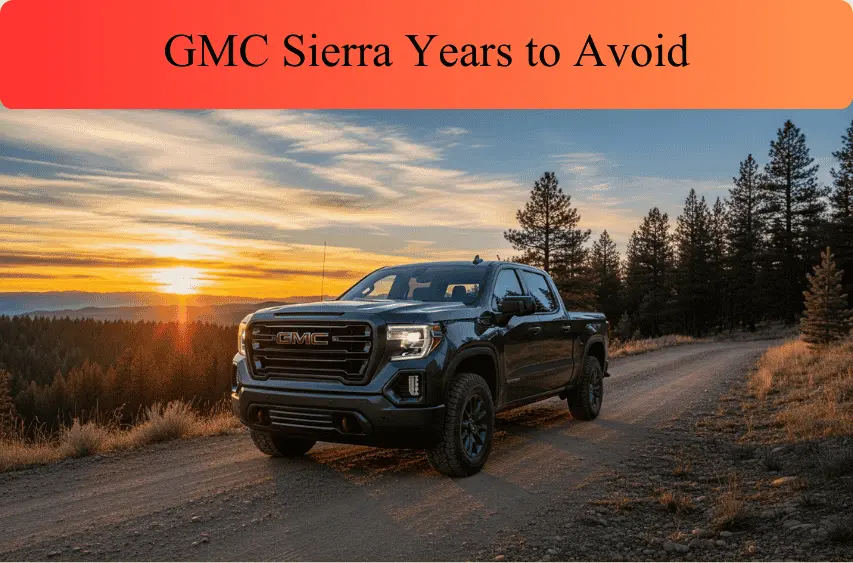
GMC Sierra Years to Avoid: A Complete Reliability Guide
The GMC Sierra 1500 is often the truck of choice for buyers who want the capability of a Chevrolet Silverado but with a more upscale, professional-grade finish. It is a staple of American roads, known for its towing capacity and V8 rumble. However, a “professional grade” badge doesn’t always guarantee immunity from mechanical failure. Over its long production history, the Sierra has had specific model years that suffered from severe manufacturing defects, ranging from catastrophic transmission failures to frustrating electrical gremlins. For drivers and buyers wanting a deeper understanding of these issues, this article provides valuable vehicle problem insights to help make informed decisions.
If you are in the market for a used pickup, knowing which GMC Sierra years to avoid is just as important as knowing which engine to choose. Buying the wrong year could mean inheriting a vehicle prone to expensive repairs, whereas choosing the right one guarantees a workhorse that lasts for decades. This guide breaks down the reliability data to help you make a safe investment.
Quick Summary: The GMC Sierra Reliability Cheat Sheet
Before diving into the mechanical details, here is a quick reference guide. We have categorized these model years based on consumer complaints, recall data, and repair costs.
| Reliability Status | Model Years | Primary Issues & Risks |
| Years to Avoid | 2014, 2015 | Transmission failure, AC condenser leaks, poor headlights, electrical instability. |
| Use Caution | 2005, 2007, 2016 | AFM oil consumption, “Chevy Shake” vibration, dashboard cracking. |
| Best Years | 2006, 2012, 2018 | Proven engine reliability, refined transmissions, resolved electrical bugs. |
The Worst Years: Models to Steer Clear Of
Not all used Sierras are created equal. The most problematic trucks tend to be those from the first year of a new generation. When manufacturers introduce a new platform, it often takes a year or two to iron out the engineering oversights. For the Sierra, three specific eras stand out as risky investments.
2014 & 2015 Models: The “New Generation” Growing Pains
The 2014 and 2015 model years are widely considered the absolute worst years for the GMC Sierra 1500. These years marked the launch of the “K2XX” platform. While the truck looked modern and rugged, the internal components were plagued with quality control issues.
The most severe complaint involves the automatic transmission. Owners frequently report aggressive downshifting at highway speeds, a sensation often described as being rear-ended. In many cases, the transmission fails completely before hitting the 100,000-mile mark. Additionally, the air conditioning systems in these years are notorious for condenser leaks. The condenser tends to crack, causing a total loss of refrigerant.
Electrical issues are also rampant in these early models. Drivers have reported infotainment screens freezing, Bluetooth connections dropping, and dashboard lights flickering. If you are researching GM reliability, it is worth noting that these electronic headaches weren’t isolated to trucks; similar system failures are a major reason why buyers also look into GMC Acadia years to avoid, as the crossover lineup shared similar architecture during its own redesign phases.
2004–2005 & 2008: Electrical & Transmission Gremlins
Going further back, the 2004, 2005, and 2008 models struggle with age-related defects that were premature even when the trucks were new. The 4-speed automatic transmission in these years often had difficulty handling the truck’s torque, leading to slipping gears.
The 2008 model specifically suffered from the early implementation of Active Fuel Management (AFM). While designed to save gas, this system often led to excessive oil consumption and fouled spark plugs, a problem that GM spent years trying to rectify.
2016: The Era of the “Chevy Shake”
While the 2016 model improved on some of the 2014 flaws, it introduced a new annoyance known as the “Chevy Shake” (which affects GMCs equally). This is a violent vibration felt at highway speeds, primarily in trucks equipped with the 8-speed automatic transmission.
The root cause was often traced to the transmission fluid absorbing moisture, which affected the torque converter clutch. While flushing the fluid with a specific Mobil 1 synthetic often fixes it, many used buyers are unaware of the issue until they take the truck on the highway.
Common Problems Affecting the GMC Sierra 1500
Even if you avoid the absolute worst model years, every vehicle has specific weak points. Knowing these common failure points helps you inspect a used truck with a critical eye, rather than just kicking the tires.
Transmission Failures (4L60E & 8-Speed Automatics)
The most consistent mechanical complaint across multiple generations of the Sierra involves the transmission. In the older 4-speed models (common in the early 2000s), the 4L60E transmission was notorious for its “sun shell” breaking, which would cause the truck to lose reverse, second, and fourth gears. It was a transmission that simply wasn’t robust enough for heavy towing without an aftermarket cooler.
In newer models (2014–2018), the 6-speed and 8-speed automatics face different issues. The 8-speed, in particular, is prone to “shuddering.” This happens because the torque converter clutch struggles to lock up smoothly, creating a vibration that feels like driving over rumble strips. While GM released a new transmission fluid to fix this, driving with the shudder for too long can permanently damage the torque converter.
Active Fuel Management (AFM) & Excessive Oil Consumption
If you are looking at a Sierra with a V8 engine (5.3L or 6.2L) produced after 2007, it likely has Active Fuel Management (AFM). This system shuts down half the cylinders during light driving to save fuel. While the idea is great on paper, the execution has been messy.
The lifters—small components that open and close the engine valves—can collapse in the deactivated cylinders. When this happens, you will hear a distinct “ticking” noise from the engine, eventually leading to a misfire or a check engine light. Furthermore, these engines are known to consume oil at a higher rate. If a previous owner didn’t check their oil level religiously, the engine might have suffered internal wear that isn’t immediately obvious during a test drive.
Electrical Glitches & Infotainment System
General Motors struggled significantly with the transition to fully digital dashboards. In models from 2014 to 2016, the infotainment screens are known to be temperamental. Owners report screens that freeze, turn black, or randomly switch audio sources. While a frozen radio is annoying, electrical issues can sometimes affect safety systems, such as the StabiliTrak sensors or the trailer brake controller, which are vital when towing heavy loads.
Headlight Visibility Issues
One of the most unique problems affects the 2014 and 2015 Sierra 1500 specifically. GM switched to a new headlight design that used a single bulb with a shutter for high and low beams. Unfortunately, the light output was so poor that it led to a class-action lawsuit. Driving these trucks on unlit rural roads can be dangerous without upgrading to aftermarket LED bulbs.
GMC Sierra Generations Ranked by Reliability
To help you narrow down your search, it helps to look at the Sierra’s history by generation. Each era has a different “personality” when it comes to reliability.
4th Generation (2014–2018): The Troubled Middle Child
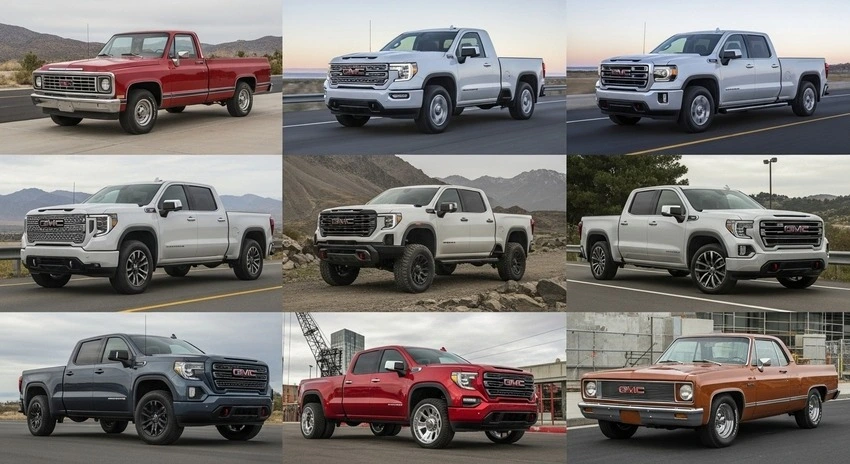
This generation is a mixed bag. As we mentioned, the early years (2014–2015) are riddled with the “new platform” bugs—transmission failures, AC leaks, and bad headlights. However, the end of this generation (2018) is actually excellent. By 2018, GM had revised the suspension, updated the transmission programming, and fixed the headlight issues. If you want the look of this generation, buy as late in the cycle as possible.
3rd Generation (2007–2013): Aging but Capable
The “GMT900” generation is a favorite among mechanics because it is simple to work on. The 2007 and 2008 models had severe oil consumption issues due to the early AFM system. However, the 2012 and 2013 models are considered the peak of this generation. They offer a comfortable ride, a classic truck feel, and an engine that can easily hit 200,000 miles if the oil has been changed regularly.
5th Generation (2019–Present): Modern Tech & Complexity
The current generation brought massive changes, including turbo 4-cylinder engines, diesel options, and 10-speed transmissions. While early data suggests these trucks are holding up better than the 2014 launch, they are complex machines. Repairs on the advanced electronics and turbo systems will naturally be more expensive than on the simpler V8s of the past.
The Best Years: Proven Models for Used Buyers
After filtering out the problematic years, which models are left? If you want a GMC Sierra that balances reliability, performance, and value, these are the standout years you should target.
2012 GMC Sierra: The Peak of the GMT900 Platform
If you are looking for a budget-friendly work truck, the 2012 Sierra 1500 is arguably the best value on the used market. By 2012, GM had resolved the majority of the early AFM oil consumption issues and electrical bugs. The 5.3L V8 engine in this model year is widely regarded as a “200,000-mile engine” when maintained properly. It lacks the fancy touchscreens of newer trucks, but it also lacks the headaches that come with them.
2018 GMC Sierra: Refined & Reliable
If you want modern styling without the reliability risks of a new redesign, the 2018 model is the “Goldilocks” truck. As the final year of its generation, it benefited from all the fixes applied to the troubled 2014–2016 models. The transmission shudder issues were largely addressed with updated factory fluids and tuning. You get Apple CarPlay, a quiet cabin, and a reliable powertrain, making it one of the safest bets in the used truck market.
2020 & Newer: The Tech Powerhouses
For buyers who have a higher budget, the 2020 and newer models offer incredible capability. These trucks introduced the dedicated AT4 trim, which focuses on off-road dominance. With a 2-inch factory lift, skid plates, and an aggressive front grille, the AT4 has a commanding presence. Many enthusiasts describe the AT4’s rugged, imposing aesthetic as a car that looks like a tank, making it a perfect choice for drivers who want their daily driver to look as tough as it performs.
Used Buying Guide: How to Inspect a GMC Sierra
Even the “best” years can be ruined by a previous owner who neglected maintenance. When you go to test drive a Sierra, use this checklist to ensure you aren’t buying a money pit.
Checking for Frame Rust & Corrosion
GMC trucks from the mid-2000s used a wax coating on the frame rather than paint. Over time, this wax can dry out and peel, allowing salt and moisture to trap against the steel ladder frame. Bring a flashlight and look specifically at the frame rails near the rear wheels. If the rust is flaking off in chunks (a condition mechanics call “scaling”), walk away.
Evaluating Transmission Health on a Test Drive
Don’t just drive around the block. You need to get the truck up to highway speeds (45–65 mph). Keep your foot steady on the gas and feel for any vibrations or shudders. If the truck feels like it is driving over a rumble strip, the torque converter is likely damaged. Also, perform a few hard accelerations to ensure the transmission shifts firmly without “flaring” (revving up before catching the next gear).
Signs of Heavy Towing & Suspension Wear
A truck that was used to tow heavy trailers every day will have much more wear than a grocery-getter. Check the receiver hitch for an oval-shaped hole (caused by the pin wearing down the metal). Also, look at the rear suspension leaf springs. If they look flat or are frowning (bending downwards), the truck has spent a lot of time carrying heavy loads, which means the brakes and drivetrain have been stressed.
Cost of Ownership & Resale Value
Owning a full-size truck is never cheap, but the Sierra generally holds its value well. You can expect to spend more on fuel—especially with the 6.2L V8, which requires premium gas—but parts availability is excellent. Because the Sierra shares so many parts with the Chevy Silverado, replacement parts are abundant and generally affordable compared to imported trucks.
FAQs
Yes, generally. While the 2014–2015 models tarnish the record, the 2012 and 2018 models are among the longest-lasting trucks on the road.
The 5.3L V8 is the most balanced choice for reliability and parts availability. The 6.2L V8 is fun but requires premium fuel, and the older 4.3L V6 is reliable but underpowered for a full-size truck.
With regular oil changes and transmission services, a gasoline V8 Sierra can easily surpass 200,000 miles. Diesel variants often go much further but require more expensive maintenance.
The Bottom Line
The GMC Sierra 1500 is a capable, comfortable, and stylish truck—if you buy the right one. By avoiding the 2014 and 2015 model years and carefully inspecting any used truck for transmission shudders and rust, you can find a reliable partner for both work and play. Focus your search on a late-model 2018 or a well-maintained 2012, and you will likely enjoy years of trouble-free driving.